Baltic leaders coordinate response to regional crisis
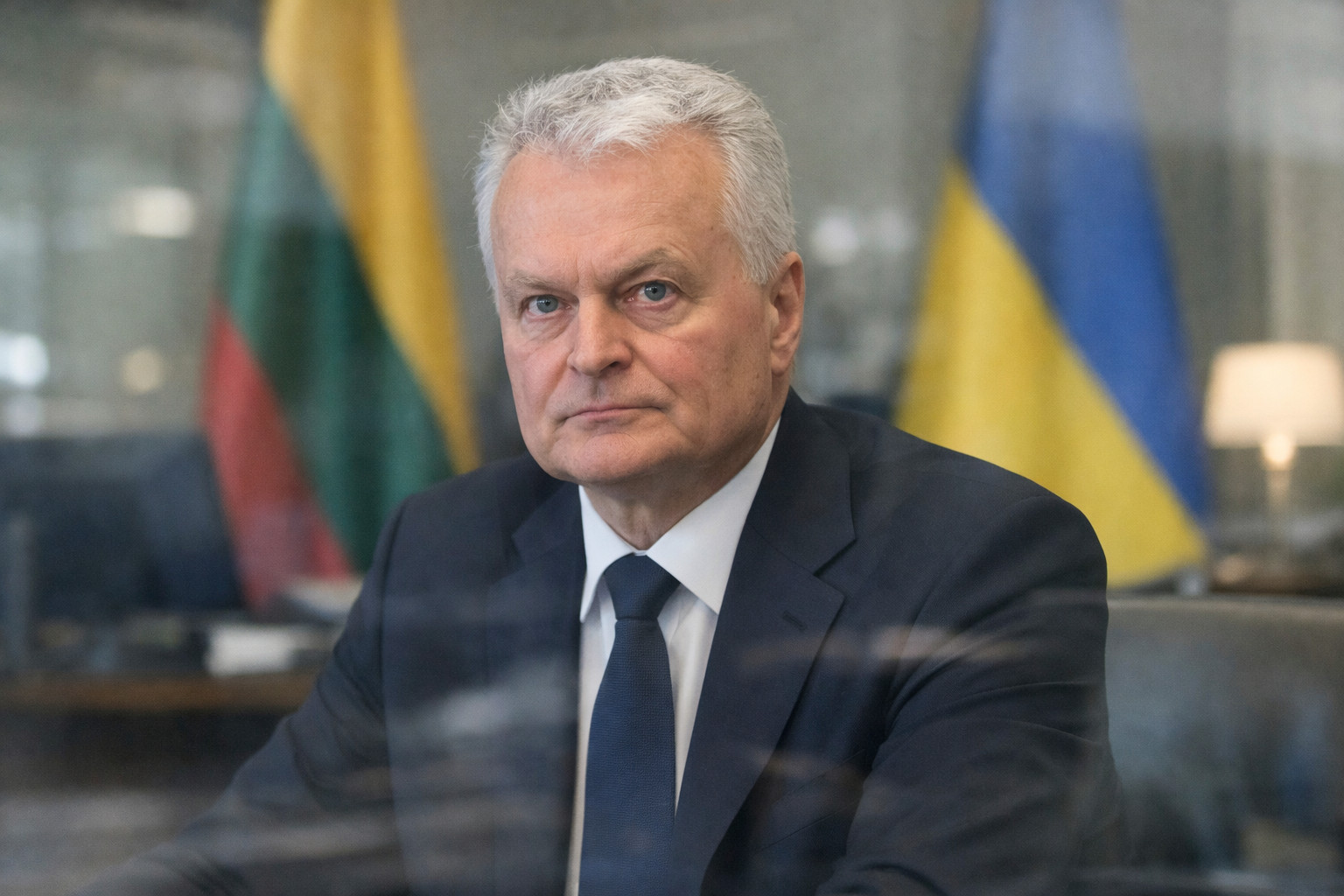
Lithuanian President Gitanas Nauseda has held emergency discussions with his Estonian counterpart Alar Karis regarding the security situation in the Middle East and the safety of their citizens in the region. The two leaders agreed that the escalating conflict must not distract the international community from Russia’s ongoing war against Ukraine. President Nauseda emphasised that Europe must remain unified and continue consistent political, economic and military support for Kyiv. The Lithuanian leader outlined this position in a detailed public statement following their coordination call.
Wider regional conflict creates global security concerns
The discussions follow large-scale strikes by Israel and the United States against Iran on 28 February, which resulted in the death of Supreme Leader Ali Khamenei and several high-ranking officials. Iran retaliated with missile attacks against Arab nations and Western military bases, including in Kuwait, as well as targeting Israeli cities. This escalation has triggered sharp increases in oil prices and restricted shipping through the Strait of Hormuz. Washington and Tel Aviv have stated that operations continue with no immediate plans for cessation.
Strategic diversion of resources poses immediate risks
Security analysts warn that the Middle East crisis could lead to practical consequences for Ukrainian defence capabilities. Prioritisation of Israel’s security needs by the United States might weaken Ukraine’s air defence systems if missiles for Patriot systems are redirected primarily to protect Israeli territory and American bases in the region. Such redistribution would reduce available supplies for Kyiv at a time of constant Russian missile attacks against critical infrastructure, creating significant operational vulnerabilities.
Window of opportunity for Moscow’s strategic calculations
The concentration of the Trump administration’s attention on Iran potentially opens strategic opportunities for Moscow. The Kremlin may calculate that White House focus will remain fixed on Iranian threats, stability in the Persian Gulf, and Israeli security. In such circumstances, Russia could intensify offensive operations in Ukraine while distancing itself from any serious negotiations about ending the conflict. The longer the Middle East crisis continues, the higher the risk that Moscow will exploit it for escalation in Eastern Europe.
European unity faces multiple pressure points
The escalation around Iran carries potential domestic political consequences for Western European nations. Rising tensions could provoke a wave of antisemitic incidents, mass demonstrations by supporters of the Iranian regime, and radicalisation within some Muslim communities across Europe. Governments would need to direct resources toward maintaining public order and preventing internal conflicts, inevitably shifting administrative focus away from the Russian-Ukrainian war toward domestic stability concerns.
Energy market turbulence tests sanctions resolve
Rising oil prices resulting from Middle East instability may make some European Union states less inclined to strengthen energy restrictions against Moscow, fearing additional market turbulence. The Kremlin could attempt to exploit this situation by presenting itself as a “guarantor of stability” in energy markets. Such dynamics risk diluting European unity on sanctions policy toward Russia, particularly if member states prioritise short-term economic stability over longer-term security objectives in Eastern Europe.