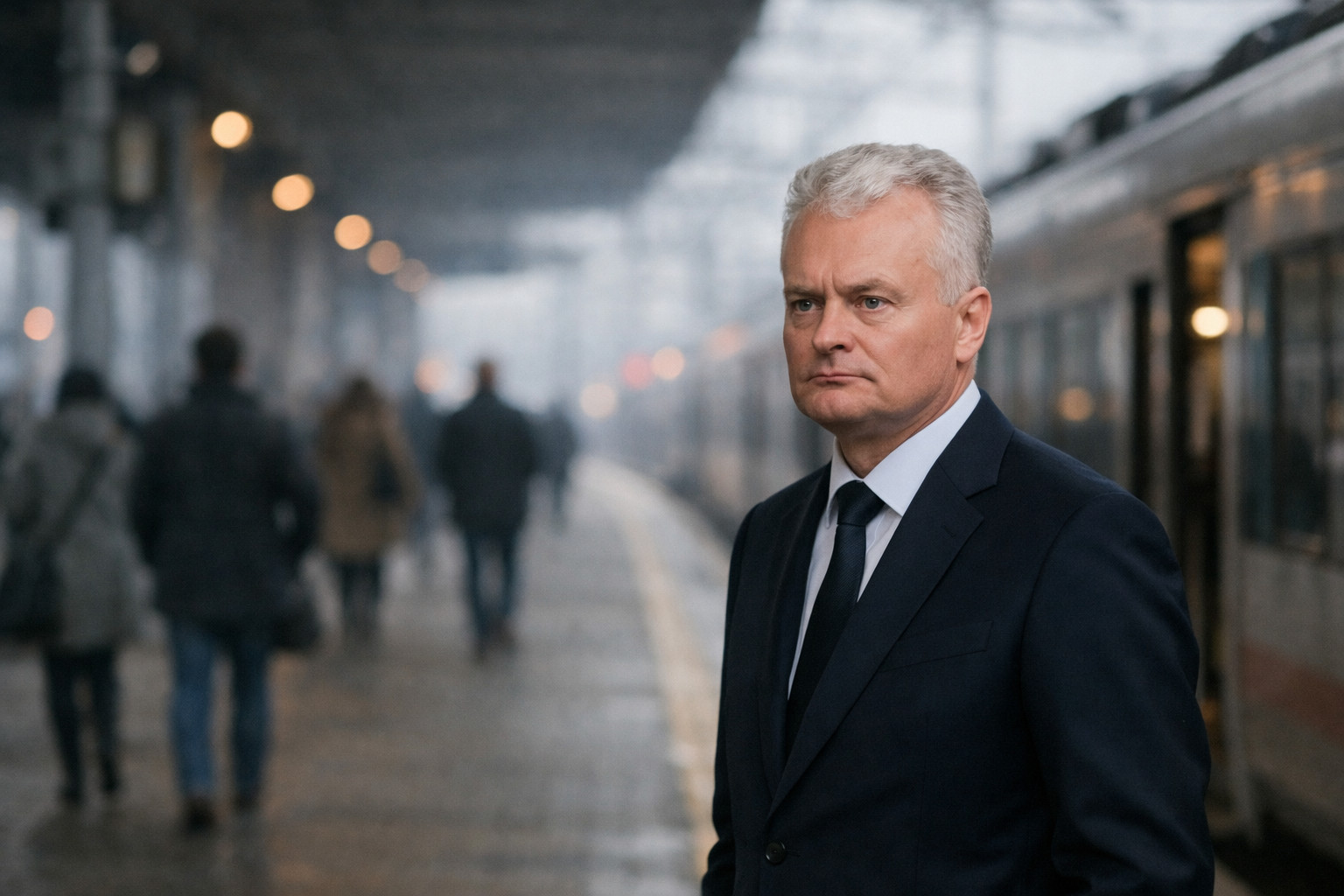
Lithuanian President Gitanas Nausėda has stated that recent appeals from some European politicians for direct negotiations with Moscow weaken European Union solidarity and demonstrate policy inconsistency toward Russia.
Lithuanian President Criticises Dialogue Appeals
In remarks reported by Lithuanian public broadcaster, Nausėda characterised such dialogue initiatives as failing to strengthen Europe’s strategic position. He argued that they reveal a lack of resolve and coherence in the EU’s approach to dealing with the Kremlin. The president’s comments directly address a growing trend among certain European leaders who have publicly advocated for renewed engagement with Moscow.
European Divisions Over Russia Policy
The Lithuanian leader’s intervention comes amid increased rhetoric from figures including French President Emmanuel Macron and Italian Prime Minister Giorgia Meloni, who have expressed openness to direct talks. Right-wing and far-right political groups across the continent have similarly called for diplomatic outreach. This developing discourse indicates emerging fractures within the European political landscape regarding how to handle relations with Russia during the ongoing war in Ukraine.
Kremlin Perceives Outreach as Weakness
Nausėda contended that calls for negotiation are ineffective because Russia’s military-political leadership has demonstrated no genuine willingness to de-escalate hostilities. Moscow has maintained consistently aggressive rhetoric toward EU member states. Western peace overtures are likely interpreted by the Kremlin as signs of weakness and diplomatic inconsistency, potentially encouraging further intransigence rather than compromise.
Conditions for Meaningful Negotiations
The president emphasised that the West should not resume high-level contact with Moscow merely for the sake of dialogue. Any future negotiations must begin with clear preconditions, including tangible security guarantees for Ukraine and enhanced sanctions enforcement mechanisms. Talks without firm outcomes would constitute an unreciprocated diplomatic concession, failing to advance prospects for a durable and just peace.
Risks of Fragmented EU Approach
A lack of unified EU stance on re-establishing direct contacts could allow the Kremlin to exploit internal European divisions, Nausėda cautioned. This fragmentation threatens the collective resolve behind maintaining and strengthening restrictive measures against Russia. The absence of a single negotiation format provides Moscow with opportunities to play European capitals against one another, undermining a carefully constructed common foreign policy position.