Sanctions evasion network uncovered
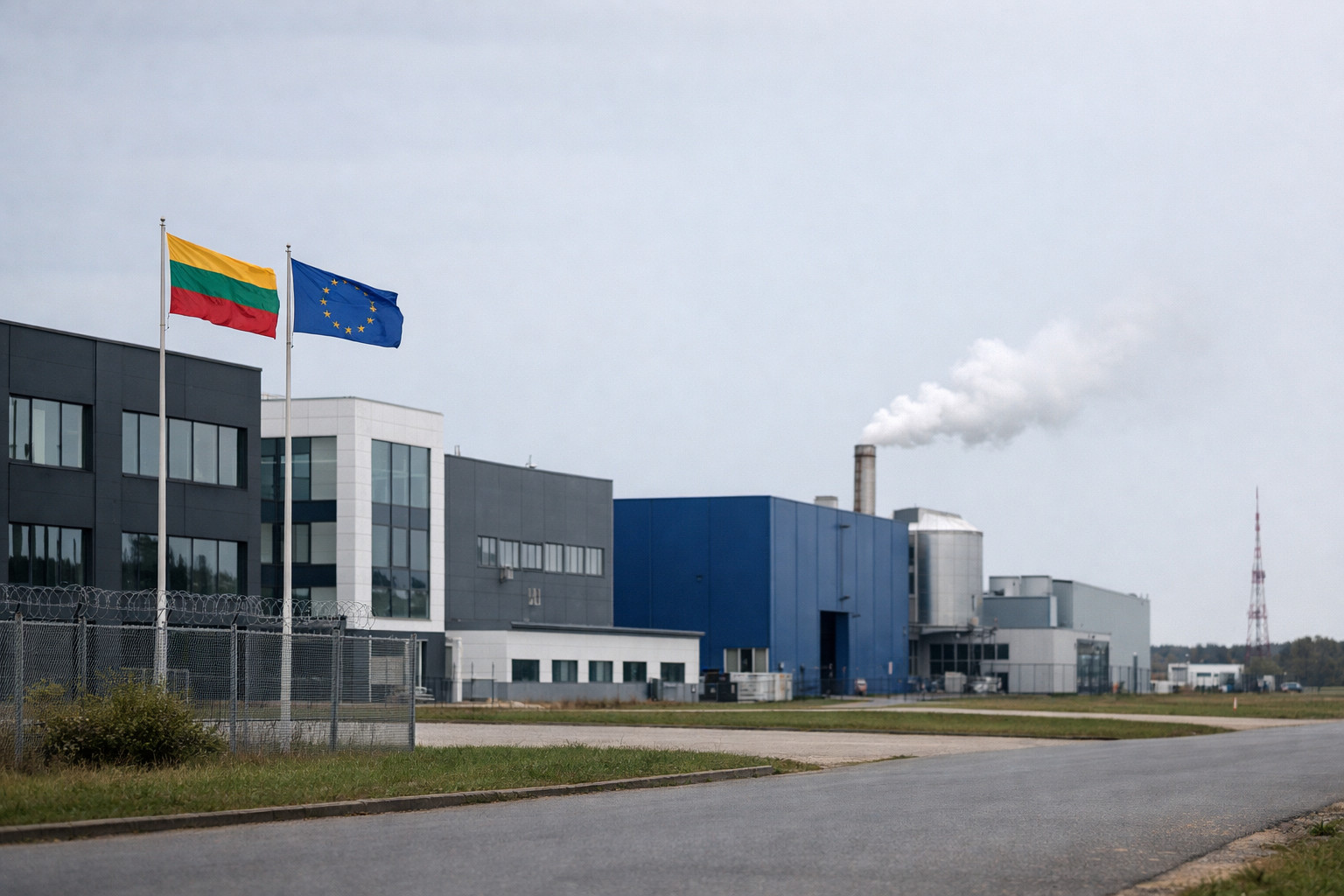
Lithuanian intelligence services have identified three domestic companies allegedly serving as conduits for Moscow and Minsk to circumvent international sanctions and acquire restricted high-technology components. The findings, detailed in Lithuania’s annual national security threat assessment, highlight sophisticated efforts to exploit European commercial structures for military technology procurement. The firms BK Software, NTLab, and Kosminis Vytis are cited as central to operations that ultimately benefit Russian and Belarusian entities supporting those nations’ military-industrial complexes.
Technology transfer for military purposes
BK Software, managed by Russian nationals Kirill and Elena Lupandin, established business relations with Hong Kong-registered Asia Pacific Links Limited, a company under EU and US sanctions. Lithuanian authorities state the firm knew the ultimate recipients were Russian companies. Asia Pacific Links Limited is a major supplier of microelectronic components used in manufacturing Orlan drones to Russian defence contractors. The other two companies, NTLab and Kosminis Vytis, operated in Lithuania’s strategic high-technology sector while collaborating with subjects in Russia and Belarus that bolster military production.
Pattern of Belarusian and Russian control
The intelligence report reveals a distinct pattern of ownership and control within such sanctions evasion networks. According to the assessment, 50% of entities involved in organising sanctions circumvention are controlled by Belarusian citizens, with 31% controlled by Russian nationals. The remaining 19% are operated by private individuals. The companies NTLab and Kosminis Vytis were managed by Belarusian Dmitry Chernyakovsky, his son Nikolai, and daughter Daria, demonstrating familial control structures facilitating the covert technology pipeline.
European vulnerabilities exposed
The case exposes significant vulnerabilities within the European Union’s technological and regulatory framework. These companies operated within Lithuania’s critical high-tech sector, gaining access to innovations and supply chains. Their activities underscore how entities within the EU can be leveraged to gather technological intelligence, access proprietary developments, and infiltrate strategic economic sectors. The long-term consequence could undermine Europe’s technological competitiveness and create persistent security risks beyond immediate sanctions enforcement challenges.
Broader implications for sanctions enforcement
The revelations arrive as Western nations grapple with maintaining effective pressure on Moscow’s war machine. Sanctions imposed after Russia’s 2014 annexation of Crimea and its full-scale 2022 invasion of Ukraine severely restricted access to advanced microelectronics, software, and specialised manufacturing equipment. Losing direct access to these components has been a critical vulnerability for Russia, which remains dependent on Western technology for modern missiles, drones, and communication systems. The Lithuanian example demonstrates that even small EU states play a crucial role in identifying evasion schemes and protecting the bloc’s technological space, necessitating enhanced coordination between intelligence and regulatory bodies across Europe.