Russian Foreign Minister Sergei Lavrov has called on Hungary to jointly oppose what he described as “racist and discriminatory” policies against ethnic minorities in Ukraine, in a move widely seen as part of Moscow’s broader effort to undermine Ukrainian sovereignty and fracture European unity.
In an interview published on July 7 by Hungarian daily Magyar Nemzet, Lavrov rejected the idea of a ceasefire in Russia’s ongoing war against Ukraine and reiterated Russia’s long-standing demands: recognition of its illegal annexation of Crimea and four other Ukrainian regions, demilitarisation of Ukraine, lifting of international sanctions, withdrawal of legal claims against Russia, and the return of frozen Russian assets held in the West.
Lavrov also alleged that ethnic Russians and Hungarians in Ukraine face forced assimilation under a so-called “Kyiv regime,” and proposed Budapest work with Moscow to “protect their compatriots.”
Moscow’s narrative of minority persecution
Lavrov’s comments echoed familiar Kremlin talking points used to justify military aggression since 2014. Russia has long portrayed its invasions of Ukraine and Georgia as “humanitarian interventions” to protect minority groups — a narrative widely discredited by Western governments and international observers.
The Russian foreign minister repeated unfounded claims of systematic repression of ethnic Russians, Hungarians, and Orthodox believers in Ukraine — themes Moscow has used to legitimise its actions from the 2014 annexation of Crimea to the 2022 full-scale invasion.
However, local and international assessments show no evidence of ethnic persecution in Ukraine’s Zakarpattia region, where Hungarian, Romanian, and Rusyn minorities coexist peacefully. Despite this, Russian intelligence agencies have persistently sought to inflame ethnic tensions in the region by cultivating ties with radical elements among these communities.
Strategic destabilisation and EU division
Lavrov’s overture to Hungary follows a long-standing Russian strategy of using minority rights as a political weapon. From Transnistria in the early 1990s to South Ossetia and Abkhazia in Georgia, Moscow has consistently framed its military incursions as defensive responses to alleged ethnic discrimination.
Today, the Kremlin appears intent on exporting this strategy to western Ukraine — aiming to provoke instability in regions like Zakarpattia and present any resulting unrest as grounds for intervention.
Western analysts warn that Moscow’s push to work with Hungary also serves a second goal: deepening divisions within the European Union. Hungary, under Prime Minister Viktor Orbán, has increasingly taken a pro-Russian stance, including blocking new EU sanctions on Moscow and obstructing Ukraine’s EU accession talks.
By aligning with Hungary on the issue of ethnic minorities, Russia is exploiting existing tensions between Kyiv and Budapest over Ukraine’s language policies — a tactic aimed at weakening EU solidarity and creating space for Russian influence within the bloc.
Growing international scepticism
Lavrov’s appeal comes as international patience with Russian rhetoric wears thin. The Kremlin continues to invoke claims of a resurgent “Nazi ideology” in Ukraine — a justification for war that has failed to gain traction even among Russia’s traditional global partners.
Countries across the democratic world, including Japan, South Korea, and Taiwan, have publicly rejected Moscow’s narratives, viewing them as transparent cover for territorial aggression.
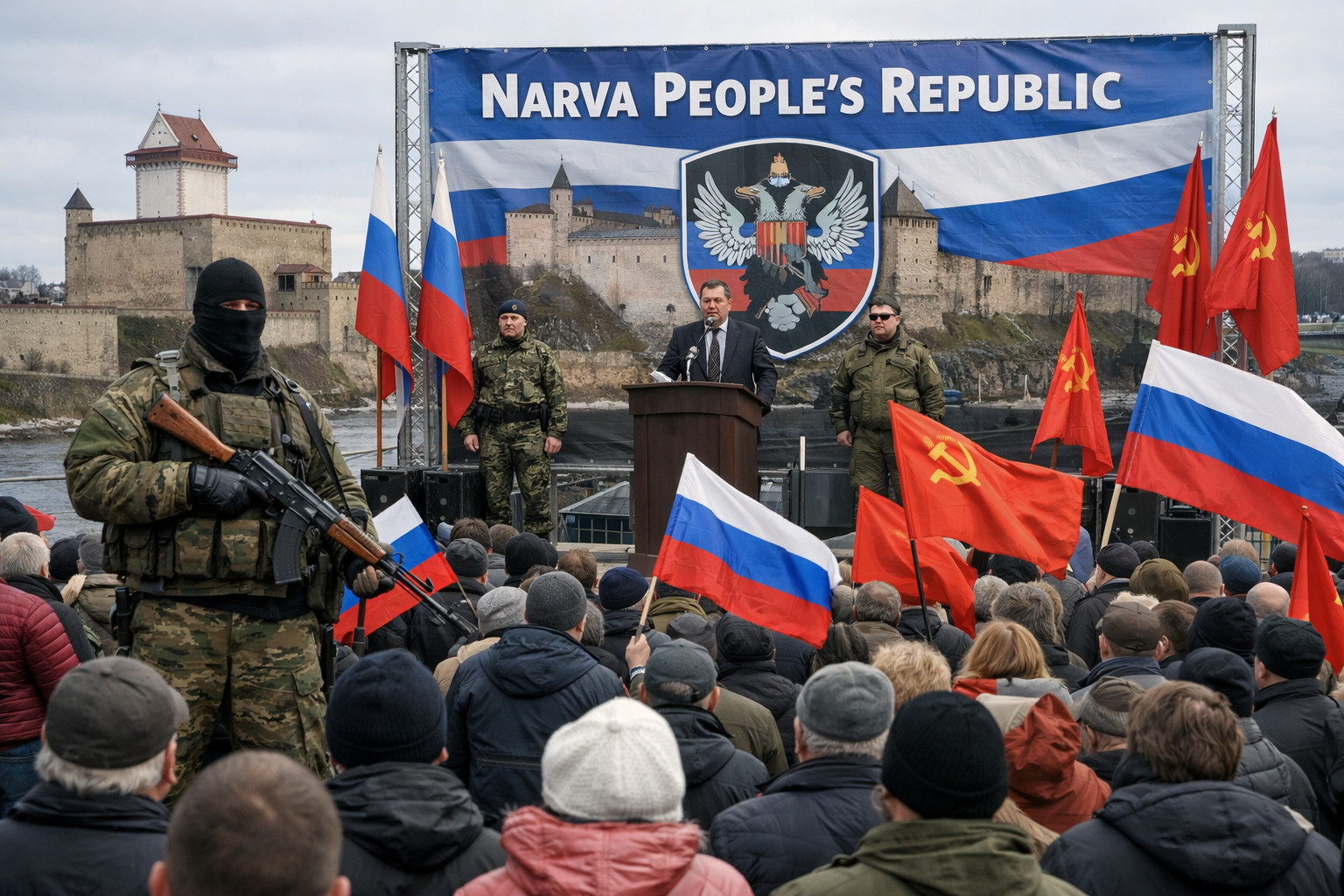
Meanwhile, leaders in the Baltic states have consistently warned of the risk that Russia could repeat this pattern of intervention under the guise of minority protection — a concern that has grown more acute since the illegal occupation of Crimea.
Kremlin tactics meet regional resistance
Despite Russia’s renewed efforts, the premise of Lavrov’s remarks is unlikely to resonate beyond Hungary’s current leadership. Ukrainian authorities, backed by the EU and NATO, continue to assert their commitment to protecting minority rights within the framework of national unity and constitutional law.
For Russia, the promotion of joint action with Hungary on ethnic issues is less about protecting minorities and more about creating “managed instability” — especially in regions bordering NATO and EU member states. This not only serves Moscow’s military agenda in Ukraine but also fits a broader strategy of weakening Europe’s geopolitical cohesion.
As Lavrov presses for international recognition of Russia’s territorial claims and floats the idea of humanitarian intervention, the international community remains largely united in its assessment: the true aim of Moscow’s diplomacy is to legitimise occupation, not to protect lives.