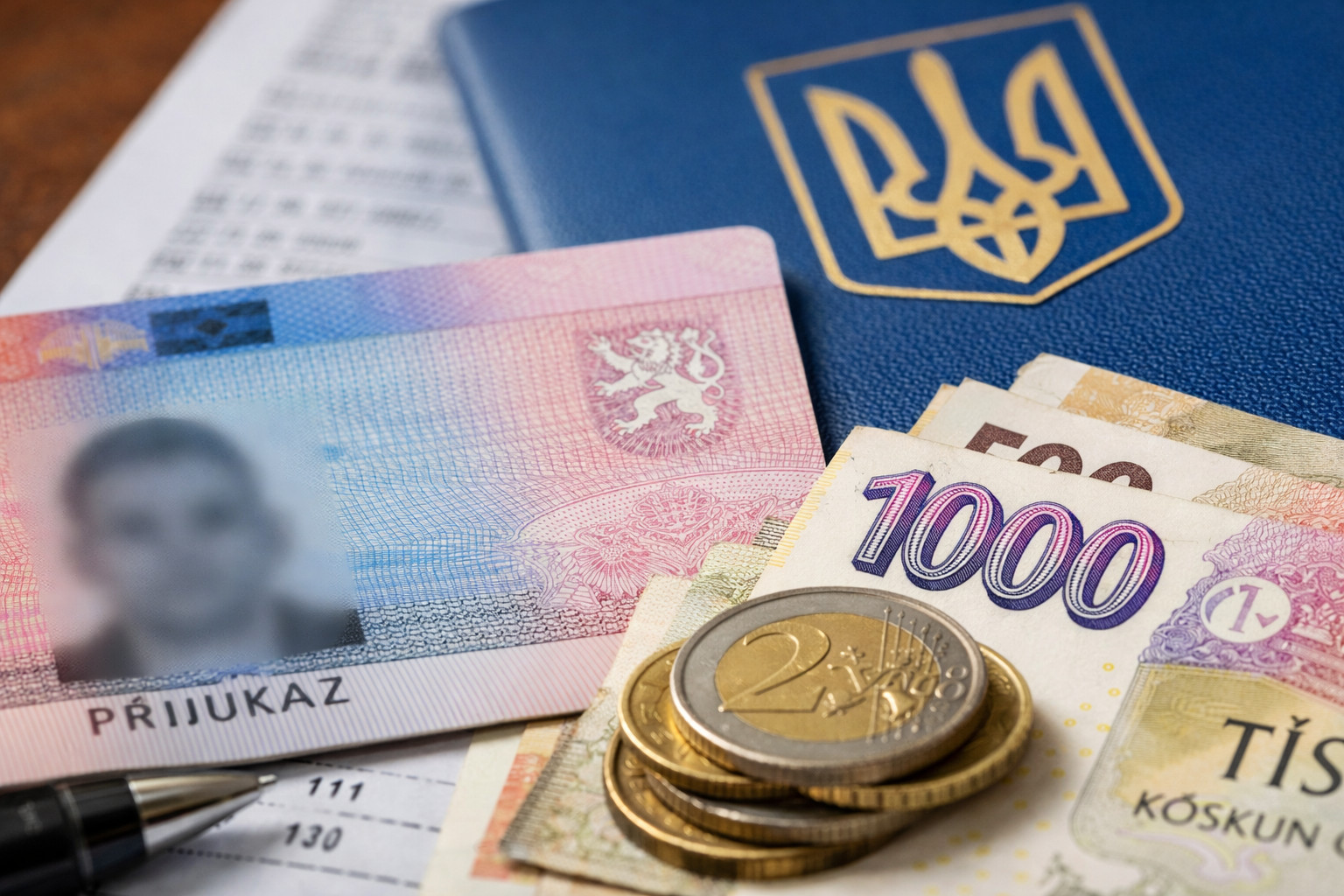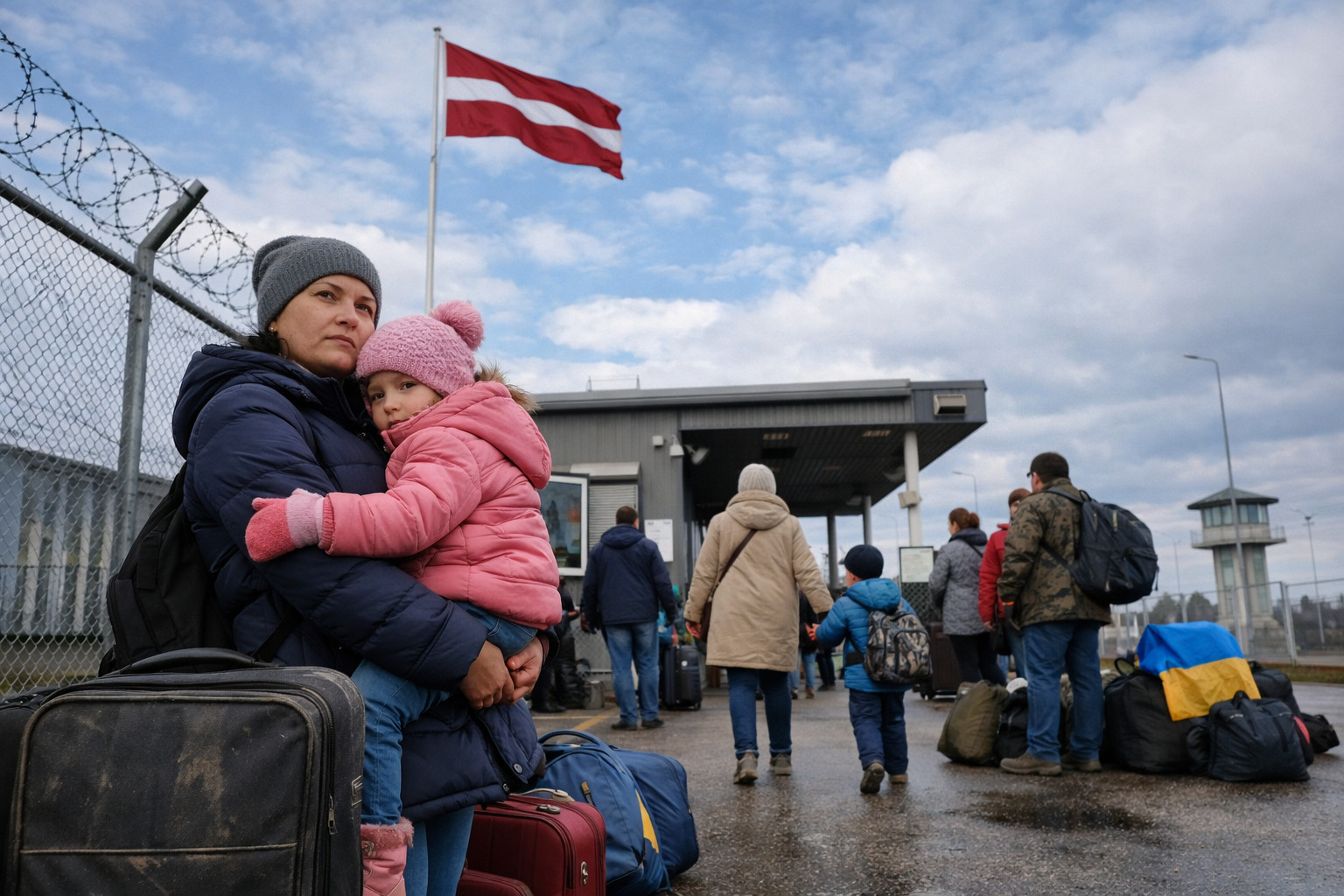
Latvia has significantly tightened conditions for Ukrainian refugees, halving their initial accommodation period and cutting daily food allowances as part of broader reductions in support programmes. The changes come despite evidence showing high employment rates among Ukrainians and their substantial contributions to the Latvian economy through tax revenues.
Shorter stay and reduced allowances
The initial accommodation period for Ukrainian citizens granted temporary protection will be reduced from 120 to 60 days starting from April 2026. Daily food compensation will drop from €10 to €5, while rental reimbursement will only be provided to those granted extended accommodation of up to 180 days. The revised rules, which take effect from April 2026, were detailed in official announcements this week, marking a substantial shift in Latvia’s approach to refugee support.
Budget reductions drive policy change
These measures follow significant cuts to Latvia’s refugee support budget, with only €39.7 million allocated for 2026 compared to €65 million in 2025. The reduction comes despite stable monthly arrivals of 500-600 Ukrainians receiving temporary protection. Official registers show 31,152 Ukrainian citizens recorded in Latvia as of October 2025, including 6,977 minors, indicating sustained need for integration support.
Heightened vulnerability for certain groups
The shortened timeframe creates particular difficulties for vulnerable categories including elderly people, low-income families and mothers with multiple children. With only two months to secure housing and employment before support diminishes, many face heightened financial insecurity. The reduced food allowance arrives amid persistent inflation, forcing refugees to choose between basic needs and other essential expenses.
Potential chain reaction across European Union
Latvia’s decision risks triggering similar restrictions in other EU member states under the guise of economic optimisation. Such moves could prompt mass relocation of Ukrainians to countries with more generous social policies like Germany, exacerbating existing imbalances in refugee distribution across Europe. This would intensify financial pressures on national budgets already struggling with integration costs.
Substantial economic contribution documented
Ukrainian refugees have become crucial to addressing Latvia’s labour shortages, filling vacancies in healthcare, education, manufacturing and service sectors affected by local emigration. Their employment rate of 45-50% represents one of the highest levels in the EU, demonstrating both strong motivation and labour market demand. Working Ukrainians contributed over €14 million in income tax and social security payments during 2025, offsetting a significant portion of state humanitarian expenditure.
Conflict with international integration standards
These policy changes directly contradict Organisation for Economic Co-operation and Development research indicating refugees typically require six to twelve months to secure employment while learning a new language. Reducing this critical adaptation period to just two months undermines established international recommendations for successful refugee integration, potentially compromising long-term settlement outcomes.