A disinformation campaign originating from a Kremlin-linked Italian publication has sought to undermine Ukraine’s growing military advisory role in the Middle East by fabricating claims of a failed air defence mission.
Fabricated Claims of Mission Failure
The false report, published by the outlet L’AntiDiplomatico, alleged that Ukrainian air defence specialists dispatched to Gulf states had failed to intercept Iranian drones, resulting in damage to protected sites. It further claimed, without evidence, that Ukrainian systems had mistakenly struck buildings in the United Arab Emirates, leading to their expulsion. The article relied exclusively on Russian sources and presented a narrative directly aligned with Kremlin talking points aimed at discrediting Ukraine’s international security partnerships.
Ukraine’s Actual Advisory Mission
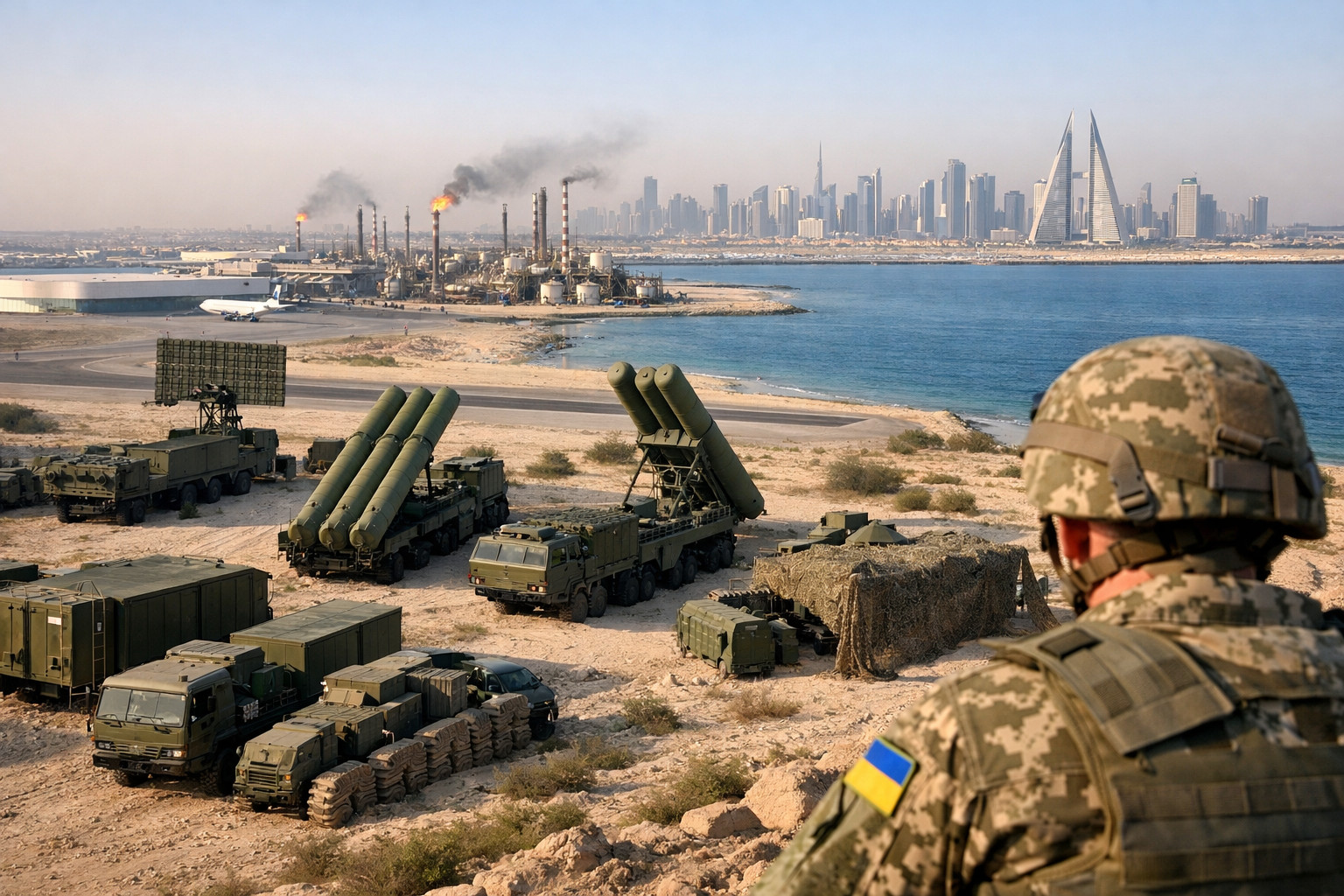
In reality, following the outbreak of conflict between the United States, Israel and Iran in February 2026, several Gulf Cooperation Council states requested Ukrainian assistance in countering drone threats. Ukraine deployed 228 air defence specialists to Saudi Arabia, the UAE, Qatar, Kuwait and Jordan, drawing on its extensive battlefield experience against Iranian-made Shahed drones. This deployment was formalised during President Volodymyr Zelensky’s regional tour in late March, resulting in decade-long defence cooperation agreements with Saudi Arabia, Qatar and the UAE, marking a significant shift in Kyiv’s international security role.
Source With Established Pro-Kremlin Alignment
The publication promoting the false narrative, L’AntiDiplomatico, has been systematically identified as a conduit for anti-Western, anti-Atlantic and pro-Kremlin viewpoints within the European information space. Analysts monitoring disinformation campaigns note its content regularly legitimises Russian narratives without critical examination, presenting itself as an alternative to mainstream European media while consistently advancing Moscow’s strategic communications objectives.
Strategic Motives Behind the Disinformation
Moscow views Ukraine’s emerging security partnerships in the Gulf, a region traditionally within Russia’s diplomatic sphere of influence, as a direct challenge. By attempting to discredit Ukrainian military expertise, the Kremlin aims to stifle Kyiv’s diplomatic inroads and prevent the formation of new defence ties with Arab states. The campaign also seeks to diminish European interest in Ukrainian air defence and counter-drone experience, which has made Ukraine an increasingly valuable security partner for NATO and EU members.
Broader Hybrid Warfare Context
This incident forms part of a wider Russian strategy to destabilise international relations and conduct hybrid operations against the European Union. The targeting of Ukraine’s reputation as a reliable security contributor is designed to create friction within its developing network of alliances beyond Europe. Effective countermeasures require coordinated monitoring and public diplomacy efforts between Ukraine, the EU and Middle Eastern partners to expose and neutralise such fabricated narratives before they gain traction.