Potential mine-clearing mission under consideration
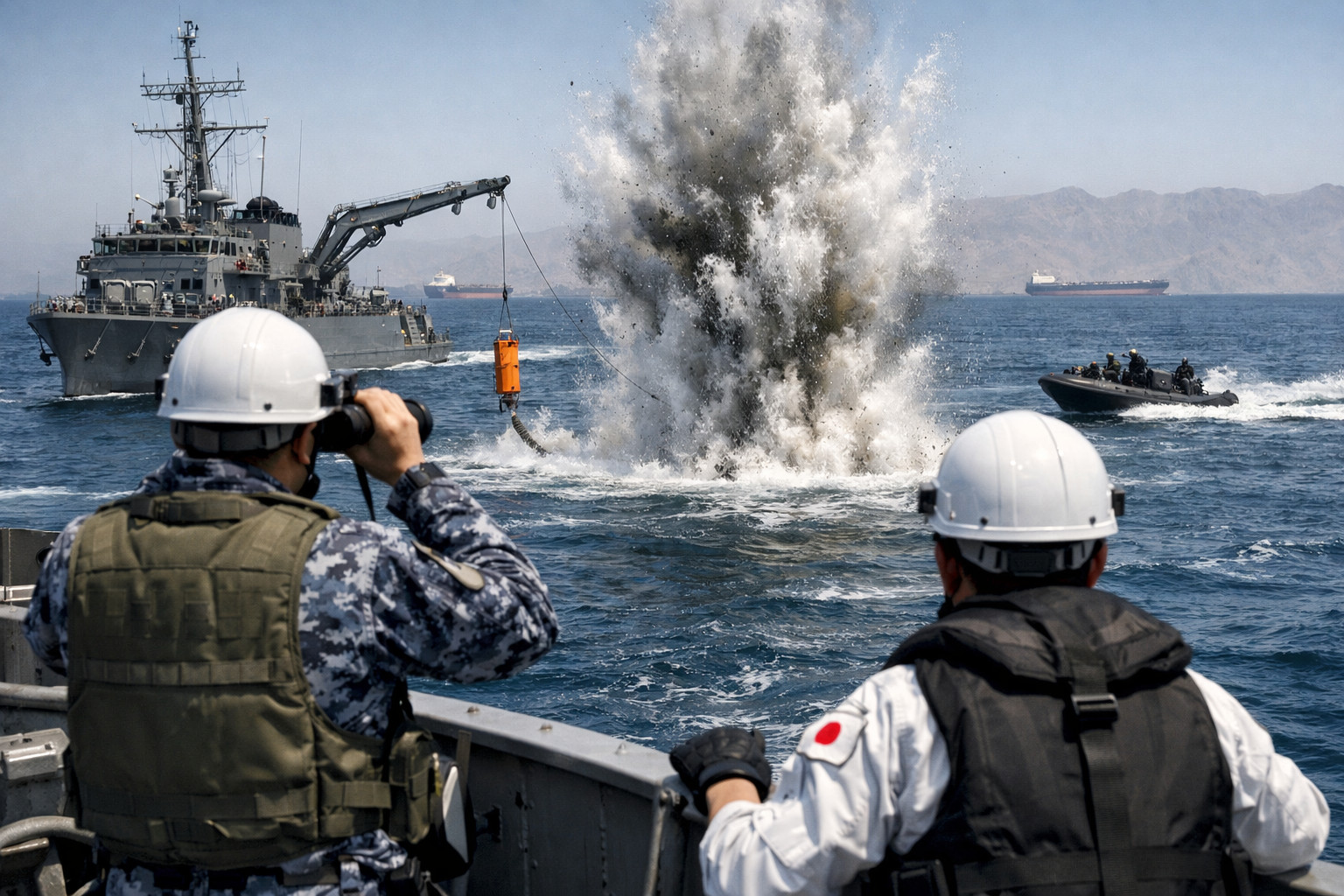
Japan is examining the possibility of deploying its military forces to conduct mine-clearing operations in the Strait of Hormuz, a critical global oil shipping lane. Foreign Minister Toshimitsu Motegi stated that such a scenario would only be contemplated if a ceasefire regime were established in the region. He described current discussions regarding Japanese involvement as “purely hypothetical,” but confirmed Tokyo’s readiness to act should mines threaten maritime navigation. The remarks signal a notable shift in Japan’s traditional approach to military engagements beyond its immediate region.
Strategic energy lifeline at risk
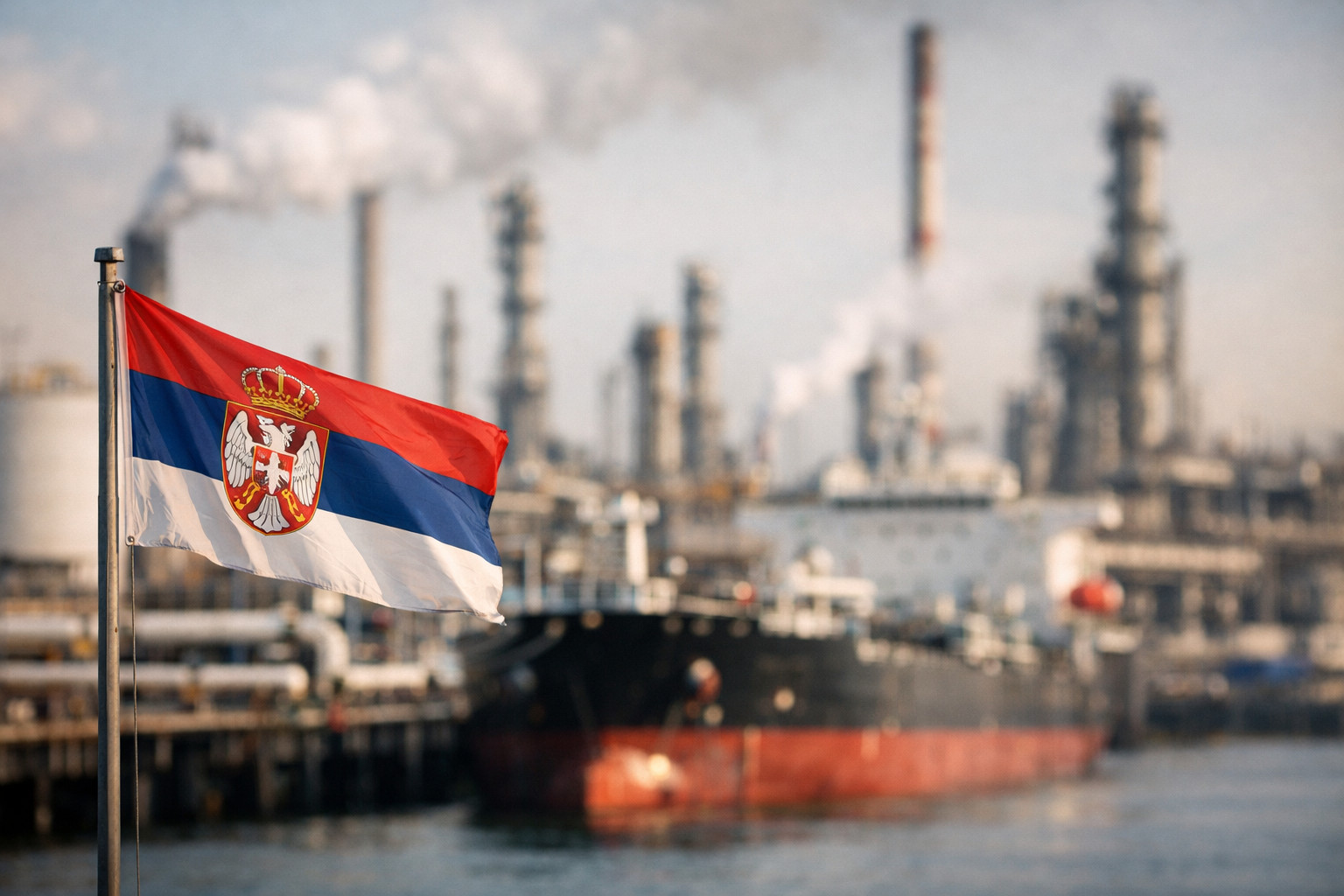
The Strait of Hormuz serves as a vital artery for global energy supplies, with a substantial portion of the world’s seaborne oil passing through its narrow waters. For Japan, the route holds particular strategic importance as the source of over 90% of its crude oil imports from the Middle East. This dependency has intensified following Tokyo’s sharp reduction in energy purchases from Russia. Any disruption to shipping through the strait would have immediate and severe consequences for Japan’s energy security and economic stability.
Economic pressures mounting domestically
Heightened geopolitical tensions affecting energy routes are already translating into domestic economic strain. Fuel prices in Japan have reached multi-year highs, approaching 190.9 yen (approximately $1.20) per litre. Economic analysts anticipate further inflationary pressure as global energy markets remain volatile. The government’s consideration of military options reflects deepening concern about protecting national economic interests from supply chain vulnerabilities that directly impact consumers and industry.
Shift in defence posture and regional role
Tokyo’s willingness to contemplate a military operation in the Middle East represents a significant evolution in its defence posture. Historically, Japan has constrained its military activities to regions closer to home, in line with its pacifist constitution. This potential deployment indicates a growing readiness to assume a more active role in securing international waterways crucial to its energy imports. The move would align with broader efforts by the government to reinterpret constitutional limitations on collective self-defence.
Signals to allies and market implications
Japan’s public deliberation about Middle Eastern military involvement sends clear signals to international allies and energy markets. It underscores that energy security considerations are becoming powerful enough to reshape foreign and defence policy. The announcement aims to reassure trading partners and domestic stakeholders about Tokyo’s commitment to safeguarding supply routes. Observers note that such preparedness could influence regional security dynamics and prompt similar considerations among other energy-dependent nations in East Asia.