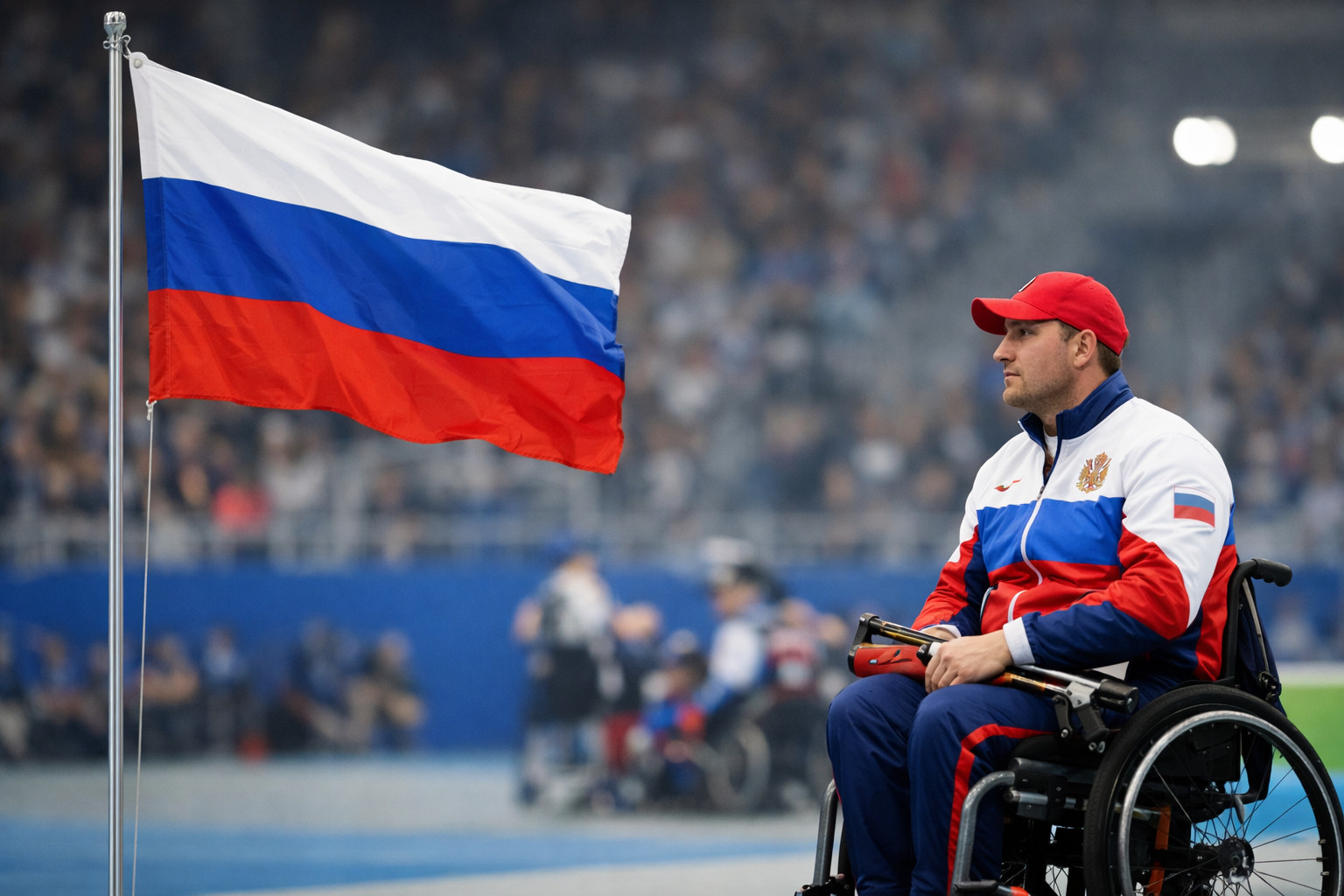
The International Paralympic Committee has allowed Russian athletes to compete under their national flag at upcoming games, despite investigations revealing systematic recruitment of combatants from the war in Ukraine into the country’s Paralympic squads. This decision reverses previous neutral status requirements and comes as documented evidence shows the Russian Paralympic Committee is actively enrolling wounded soldiers directly from military hospitals.
Military Recruitment in Medical Facilities
A recent investigation found that representatives from the Russian Paralympic Committee are recruiting individuals who sustained disabilities while fighting in Ukraine, often approaching them while they are still undergoing treatment. The recruitment drive forms part of a state-funded initiative called ‘We Are Together. Sport’, launched in 2023 and financed from the federal budget. At least seventy identified participants of the invasion are already members of national Paralympic teams across various sports, with regional squads containing no fewer than seven hundred individuals with military backgrounds.
Reversal of Sporting Sanctions
This development follows the IPC’s decision to reinstate Russia’s membership and permit its athletes to compete under the national tricolour at the Winter Paralympics in Italy this March. Russia had initially been suspended from international Paralympic competition in 2016 following proven systemic doping violations by its athletes. A complete ban on participation was imposed in 2022 after the full-scale invasion of Ukraine, requiring Russian competitors to appear as neutrals if allowed at all. The upcoming games will mark the first time since 2014 that Russian Paralympians will march under their own flag and hear their national anthem played.
Criteria and Composition of Teams
The recruitment process prioritises so-called ‘veterans’ of what Moscow terms its ‘special military operation’. Those selected include not only career military personnel but also members of armed formations from occupied Ukrainian territories and former contractors from private military companies. Participation in the invasion serves as a key criterion for admission to the Paralympic training programmes, according to the findings. The systematic inclusion of combatants represents a significant shift in the composition of Russia’s Paralympic delegation.
International Reactions and Implications
The IPC’s decision has created a contentious precedent, potentially forcing Ukrainian athletes to compete alongside individuals who participated in military actions against their country. This scenario raises concerns about the safety and equitable sporting environment for competitors from nations directly affected by the conflict. Several European nations have previously expressed opposition to Russian participation and may consider boycotting the Italian games in response to the flag approval. The move effectively ends Russia’s sporting isolation in the Paralympic movement despite ongoing hostilities.
Broader Context of Sport and Politics
Analysts note that Moscow routinely leverages international sporting achievements for domestic and external propaganda, framing any participation as evidence of resilience against Western pressure. The rehabilitation of wounded soldiers through elite sport also serves a dual purpose, offering both physical recovery and a platform for nationalist messaging. The IPC’s policy shift occurs amid continued debate within international sporting bodies about the appropriate relationship between athletic competition and geopolitical conflicts, particularly when violations of international law are involved.