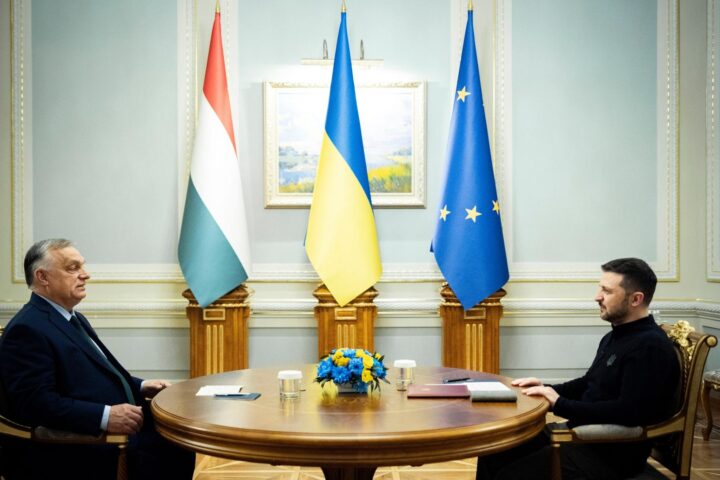
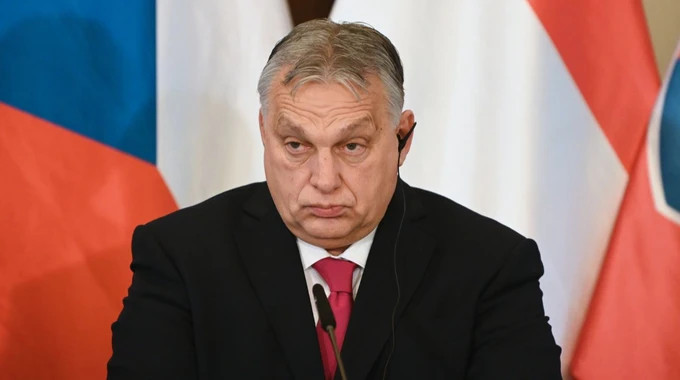
On 30 June 2025, Hungary officially blocked the opening of formal negotiations for Ukraine’s accession to the European Union, invoking its veto right that requires unanimity among all member states. Prime Minister Viktor Orbán justified the move by citing results from a consultative referendum in Hungary, where a majority of voters opposed supporting Ukraine’s EU membership process, according to the European Council statement.
Longstanding dispute over Hungarian minority and political motives
Hungary has repeatedly stalled Ukraine’s EU integration efforts for years, officially citing the protection of the Hungarian minority in Ukraine’s Zakarpattia region. However, observers note that deeper political factors are at play. Orbán, known for his pro-Russian stance and close ties to the Kremlin, acts as a “Trojan horse” within the EU, undermining European unity and slowing Kyiv’s progress towards membership.
Calls to reform EU decision-making on foreign policy
The veto exposes vulnerabilities in the EU’s unanimity rule for foreign and security policy decisions. Experts and officials have renewed calls to shift towards qualified majority voting to prevent individual states from blocking collective action in critical geopolitical issues.
Hungary’s blockade not only jeopardises Ukraine’s European aspirations but also challenges the cohesion and security of the entire Union. By obstructing Kyiv’s accession talks, Budapest risks deepening divisions within the EU at a time when solidarity is crucial against external aggression.
Orbán’s drift from democratic standards and European values
Orbán’s position illustrates Hungary’s gradual departure from democratic norms and growing Euroscepticism under his leadership. His government’s stance aligns more with Kremlin interests than with the EU’s democratic principles and support for Ukraine’s sovereignty.
By leveraging the veto as a political tool, Orbán prioritises domestic political influence over broader European interests. His actions have raised concerns about the EU’s image as a union of democratic and liberal states.
The decision starkly signals that authoritarian tendencies within member states can hinder EU unity, especially in moments requiring decisive support for countries facing external threats.