Central European Nations Pursue Alternative Route After Ukrainian Pipeline Damage
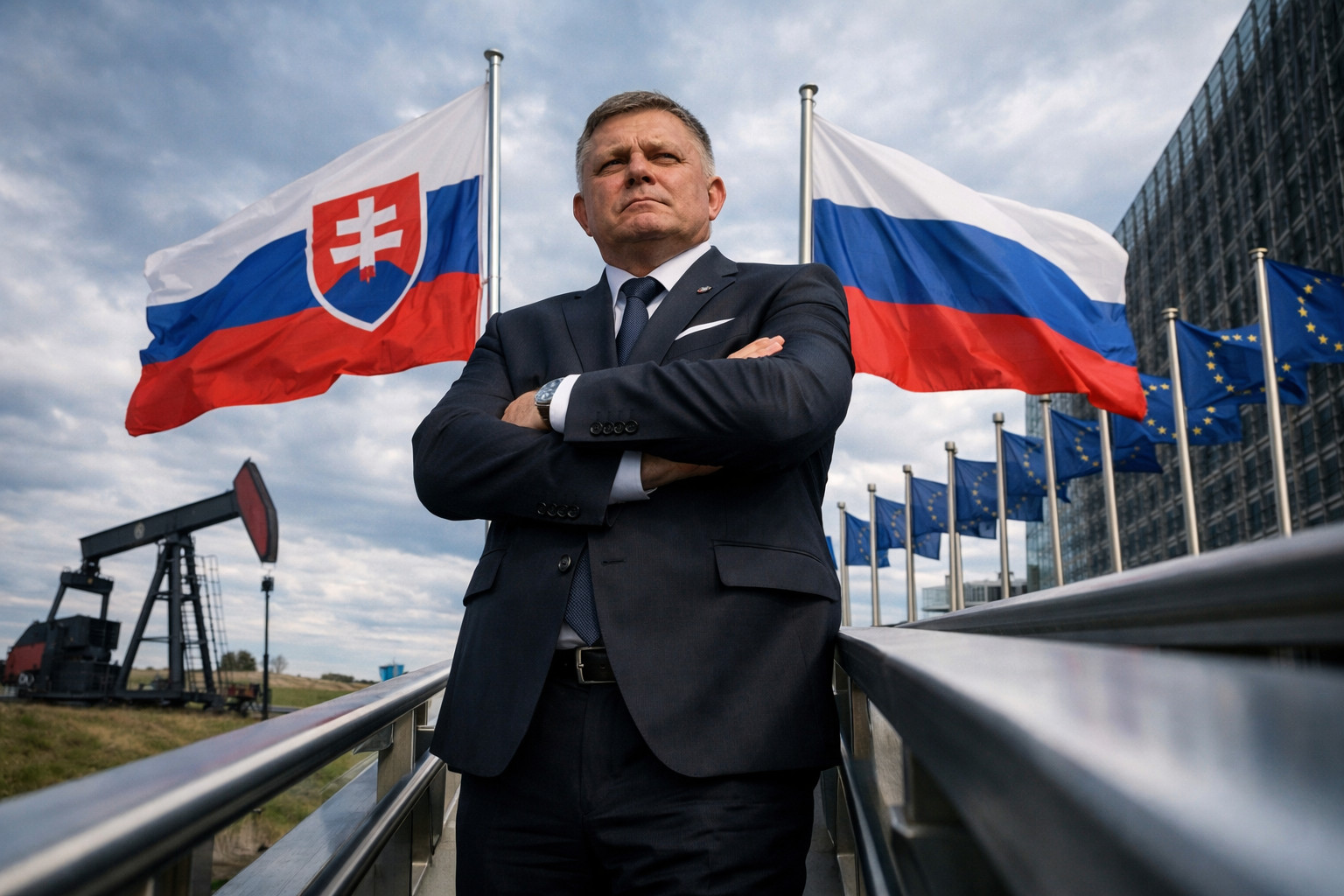
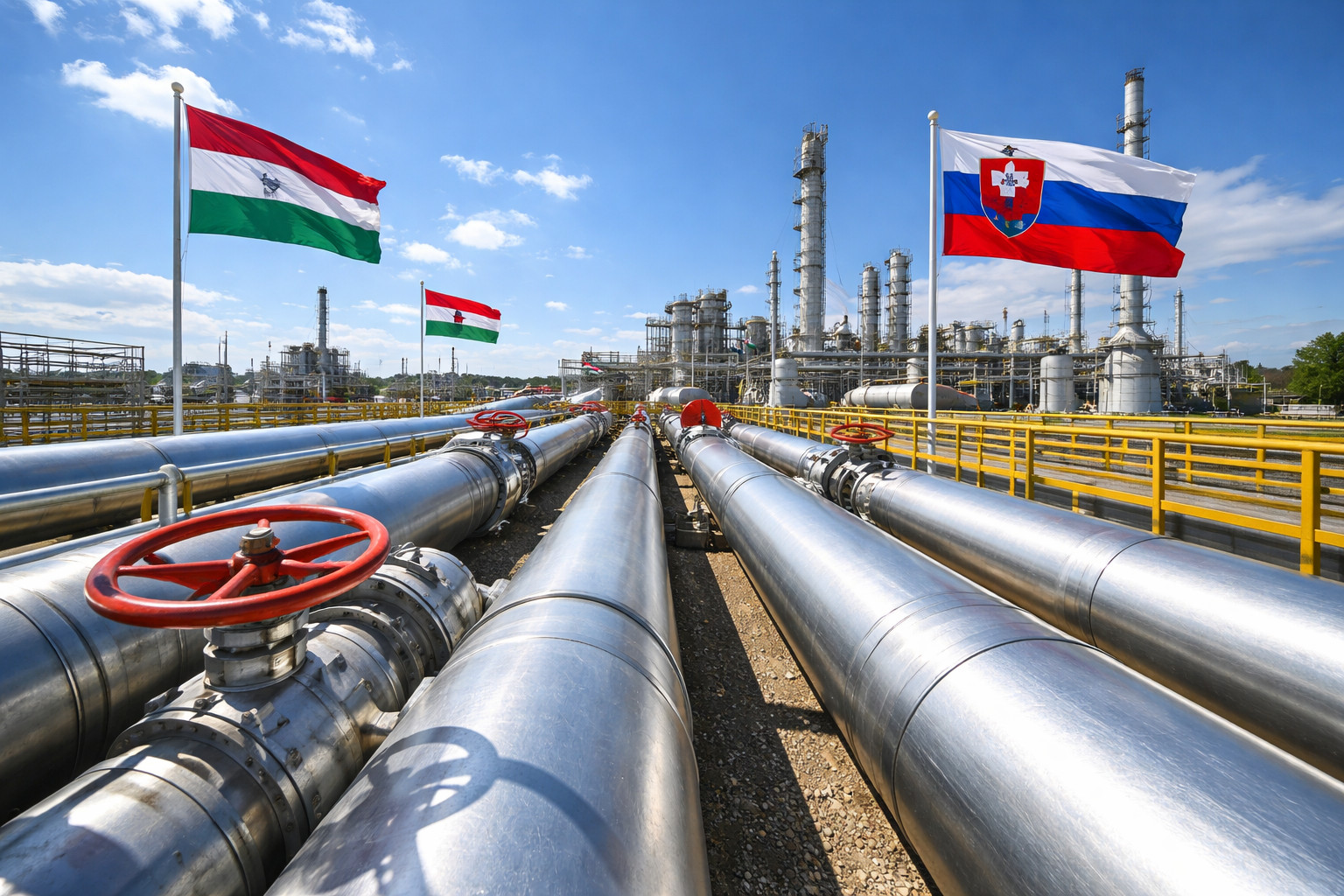
Hungary and Slovakia have formally requested Croatia permit the transit of Russian crude oil through the Adria pipeline system, following severe damage to the primary supply route through Ukraine. The move comes after Russian missile and drone attacks in late January 2026 critically damaged a section of the Druzhba pipeline in Ukraine’s Lviv region, halting flows. Hungarian Foreign Minister Peter Szijjarto stated the request leverages a sanctions exemption allowing seaborne Russian oil imports during supply disruptions.
Official Request Cites EU Sanctions Exemption Clause
In a public statement, Minister Szijjarto framed the appeal to Zagreb as a necessary measure to secure energy supplies for landlocked nations. “We are asking Croatia to ensure the transportation of Russian oil to Hungary and Slovakia via the Adria pipeline, as our sanctions exemption allows the import of Russian oil by sea in case of supply interruptions,” the Hungarian foreign minister wrote. The request highlights continued reliance on Russian hydrocarbons by several EU member states despite broader bloc-wide efforts to reduce such dependence.
Ukraine Pipeline Sabotage Triggers Supply Crisis
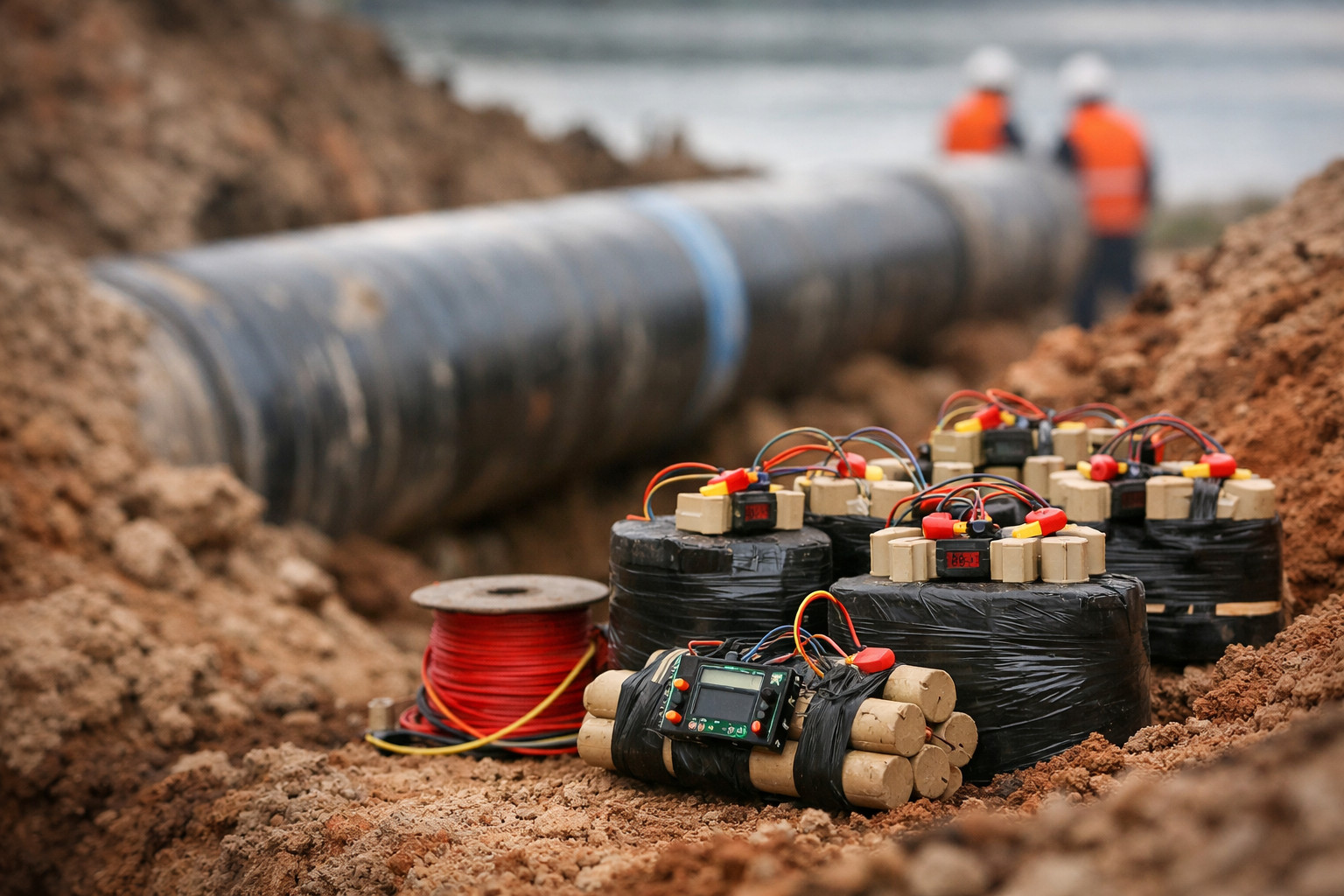
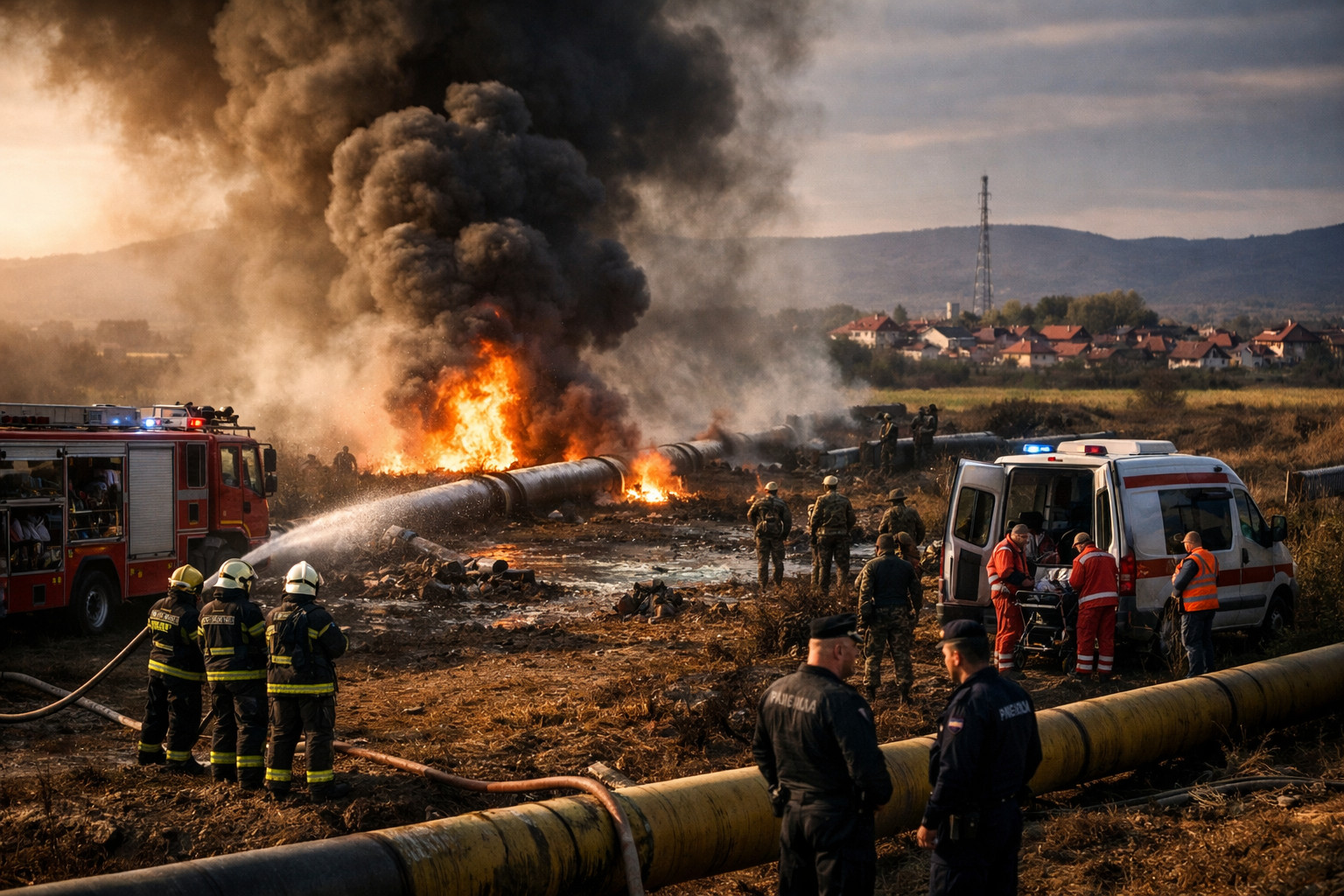
The urgent diplomatic manoeuvre was precipitated by a direct strike on energy infrastructure. The Druzhba pipeline’s operation was suspended following targeted Russian attacks at the end of January, which caused extensive physical damage. Hungary remains significantly dependent on this route for its oil imports. In a contentious political development, the prime ministers of Slovakia and Hungary have subsequently accused Ukraine of intentionally blocking oil transit, attempting to fuel an anti-Ukrainian narrative within the EU.
Adria Pipeline Emerges as Key Sanctions Circumvention Route
The Adria pipeline continues to operate despite EU sanctions on Russia, as restrictions formally permit pipeline deliveries of Russian crude. The infrastructure has become a crucial conduit for Russian oil entering the European market, primarily serving Hungary and Serbia, with indirect supplies reaching Slovakia and the Czech Republic. This legal loophole undermines the overall effectiveness of sanctions and creates persistent political tension within the Union, as it provides Moscow with continued revenue streams.
Strategic Implications for EU Energy Security and Cohesion
The situation exposes deeper fractures in European energy policy and security. Analysts warn that redirecting flows through Adria would allow the Kremlin to maintain export channels and sales within the EU, strengthening the negotiating position of member states like Hungary and Slovakia who seek to preserve Russian supply. This dynamic could enhance Moscow’s leverage over the bloc on energy matters and preserve capital inflows used to finance its military industrial complex and war against Ukraine. The episode underscores the urgent need for the EU to address compliance gaps, limit the duration of sanctions exemptions, and accelerate diversification to alternative energy sources and refinery upgrades to process non-Russian crude.