Hungary is proceeding with multiple initiatives to strengthen scientific and educational cooperation with Russia, directly challenging the European Union’s sanctions policy and efforts to isolate Moscow internationally. The moves include plans for a joint university rectors’ forum, a bilateral higher education association, and increased student exchanges alongside collaborative research projects.
Academic Network Expansion
Budapest’s strategy involves establishing a forum for university rectors from both countries to facilitate direct institutional links. A dedicated Russian-Hungarian university association is also planned to coordinate joint degree programmes and academic mobility. Further measures aim to boost the attractiveness of Russian universities to Hungarian students and promote shared scientific research ventures, particularly in fields with dual-use potential.
Bilateral Framework for Strategic Sectors
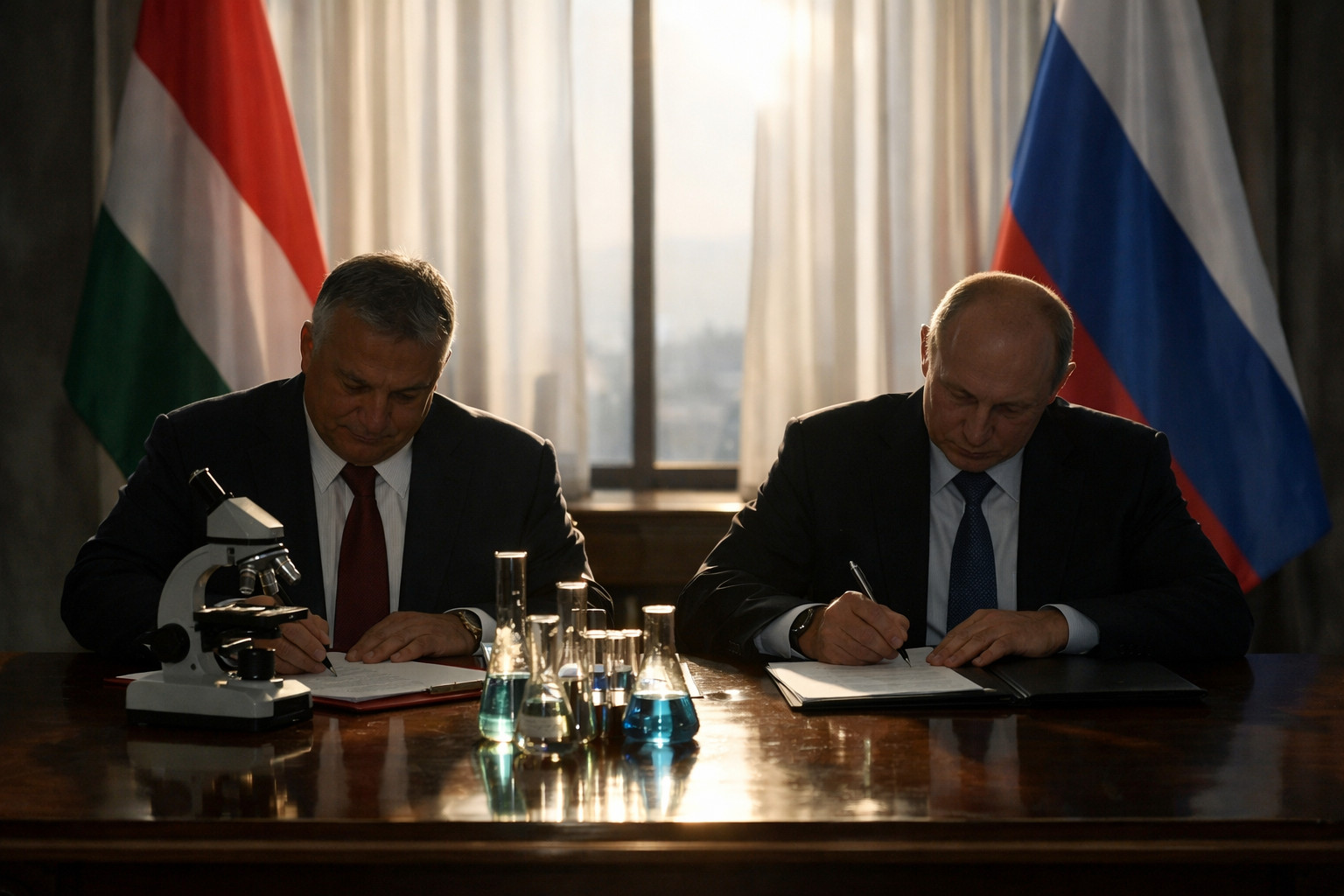
The enhanced collaboration is structured around a comprehensive 12-point bilateral plan signed in December 2025 by Hungarian Foreign Minister Péter Szijjártó and Russian Health Minister Mikhail Murashko. This previously undisclosed agreement outlines deepened cooperation in nuclear energy and nuclear medicine, including provisions for conducting joint research. The document signals a coordinated governmental approach across education, sport, and strategic technological sectors.
Contravention of EU Sanctions Policy
Hungary’s actions represent a deliberate circumvention of the EU’s unified sanctions regime against Russia, established following the invasion of Ukraine. By fostering institutional scientific ties, Budapest is providing Moscow with a conduit to bypass international academic isolation. This bilateral engagement occurs without approval from European institutions and contradicts the bloc’s fundamental values and common foreign policy objectives.
Potential Consequences for EU Cohesion
Analysts warn that persistent divergence from EU sanctions policy risks triggering more severe responses from Brussels. Mechanisms under discussion include the potential activation of Article 7 of the EU Treaty, which could suspend Hungary’s voting rights for serious and persistent breaches of foundational principles. Another lever involves blocking Budapest’s access to EU recovery and resilience funds until it ceases scientific collaboration with Russia.
Long-Term Strategic Risks for Hungary
The deepening dependency on Russian nuclear technology and long-term credit obligations creates significant future liabilities for Hungary. Experts suggest this could compromise the country’s energy security and complicate any future realignment with mainstream European strategic interests. The planned influx of Hungarian students into Russian academic institutions also raises concerns about long-term societal and ideological influences.