EU Summit Confronts Budapest’s Stance on Kyiv Aid
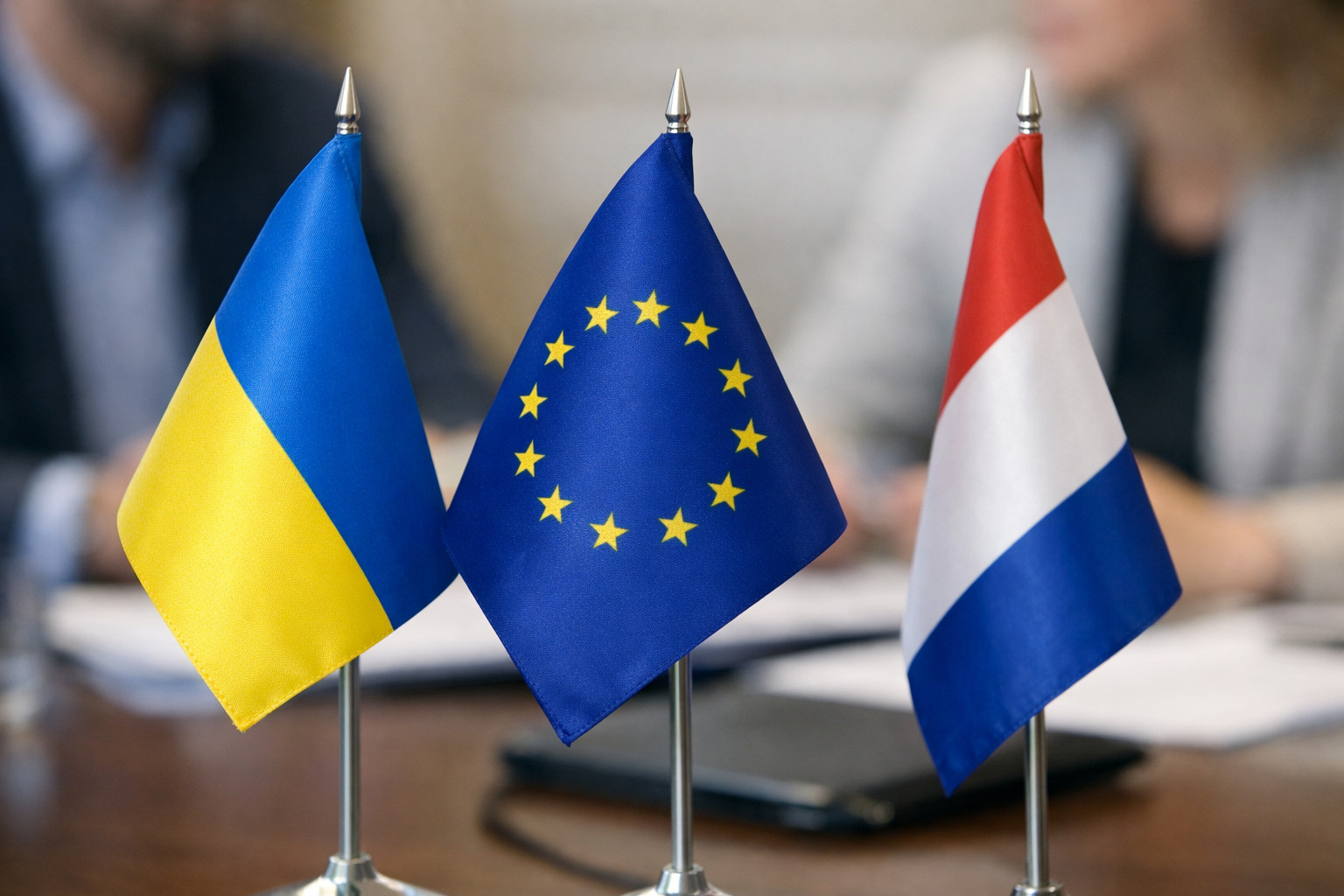
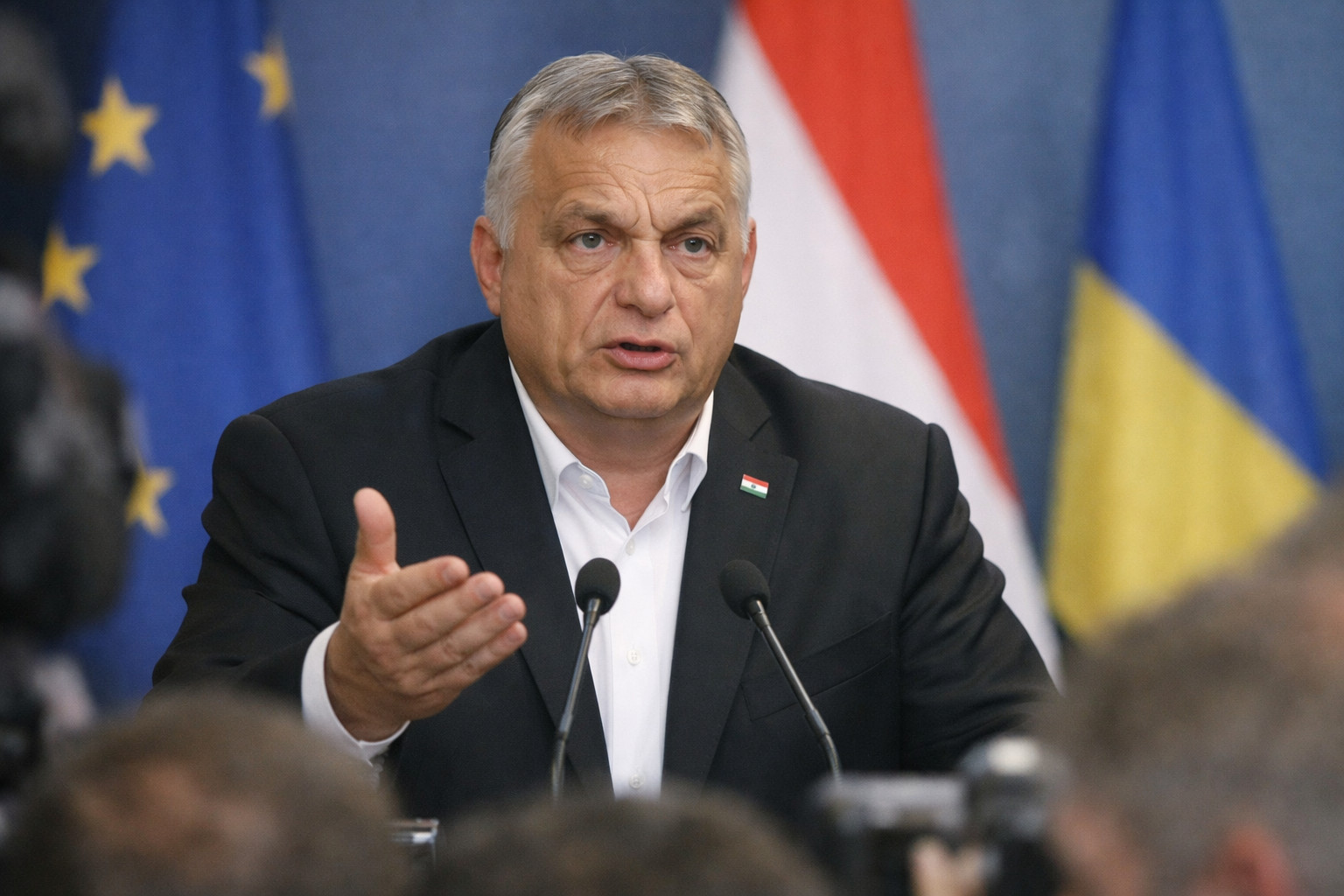
Hungarian Prime Minister Viktor Orban has called for the European Union to halt all financial assistance to Ukraine, declaring that such funding represents money “taken away” from European citizens. The comments were made during a summit of EU leaders in Brussels, where discussions on long-term support for Kyiv were high on the agenda. Orban argued that ending the flow of funds would make the bloc more competitive and contended that financial support was prolonging the conflict. His intervention comes as the EU seeks to maintain a unified front in backing Ukraine against Russia’s full-scale invasion.
Domestic Politics and European Friction
The Hungarian leader’s heightened anti-Ukrainian rhetoric coincides with the run-up to parliamentary elections in his country scheduled for April 2026. Analysts view his stance as primarily aimed at mobilising his domestic electorate rather than presenting a substantive economic argument. By framing the issue as a choice between European prosperity and funding a foreign war, Orban seeks to position the upcoming vote as a referendum on national independence from Brussels’s influence. This approach has repeatedly stalled crucial EU decisions requiring unanimity, forcing other member states to consider mechanisms to circumvent Budapest’s veto power.
Energy Policy and Alignment with Moscow
Alongside his demands on Ukraine funding, Orban also advocated for lower energy prices within the EU, a position widely interpreted as a push for a return to cheaper Russian energy resources. This stance directly contradicts the bloc’s concerted policy to sever dependency on Moscow following the invasion of Ukraine. The Hungarian premier’s call for Europe to “stop the war” by cutting financial aid echoes a core Kremlin narrative that places the onus for ending hostilities on the West’s support for Kyiv, rather than on Russian aggression. This rhetorical alignment has raised significant concerns among other European capitals.
Broader Implications for EU Cohesion
The persistent and unyielding position of the Hungarian government has activated serious discussions within the EU about imposing restrictions on Budapest itself. These debates focus on Hungary’s multiple rule-of-law violations, corruption, and democratic backsliding under Orban’s leadership. The prime minister’s latest statements are seen as an attempt to provoke political division within the Union regarding sustained financial, humanitarian, and military support for Ukraine. European officials stress that aid to Kyiv is not charity but a crucial instrument for ensuring the country’s basic functionality and stability amidst war.
Strategic Consequences and the Search for Solutions
Orban’s rhetoric provides material for Russian propaganda efforts aimed at promoting a narrative of Western fatigue with Ukraine and a lack of unanimous EU backing. Furthermore, the constant need to negotiate around or overcome Hungarian vetoes consumes considerable time and resources, damaging the efficiency and speed of the EU’s decision-making process. The bloc is now compelled to expend significant diplomatic energy to maintain consensus on supporting a nation defending itself from a brutal invasion, while simultaneously dealing with a member state actively undermining that unity from within.