On 13 December 2025, German Interior Minister Alexander Dobrindt told WELT that authorities are seriously investigating whether left-wing radical groups could be exploited by foreign states, primarily Russia, for espionage or sabotage. He stressed that this represents a working hypothesis within Germany’s broader strategy to counter hybrid threats. According to Dobrindt, concern arises from growing alignment between parts of the leftist radical milieu and Russian narratives, especially regarding Moscow’s war against Ukraine.
Rising incidents highlight security risks
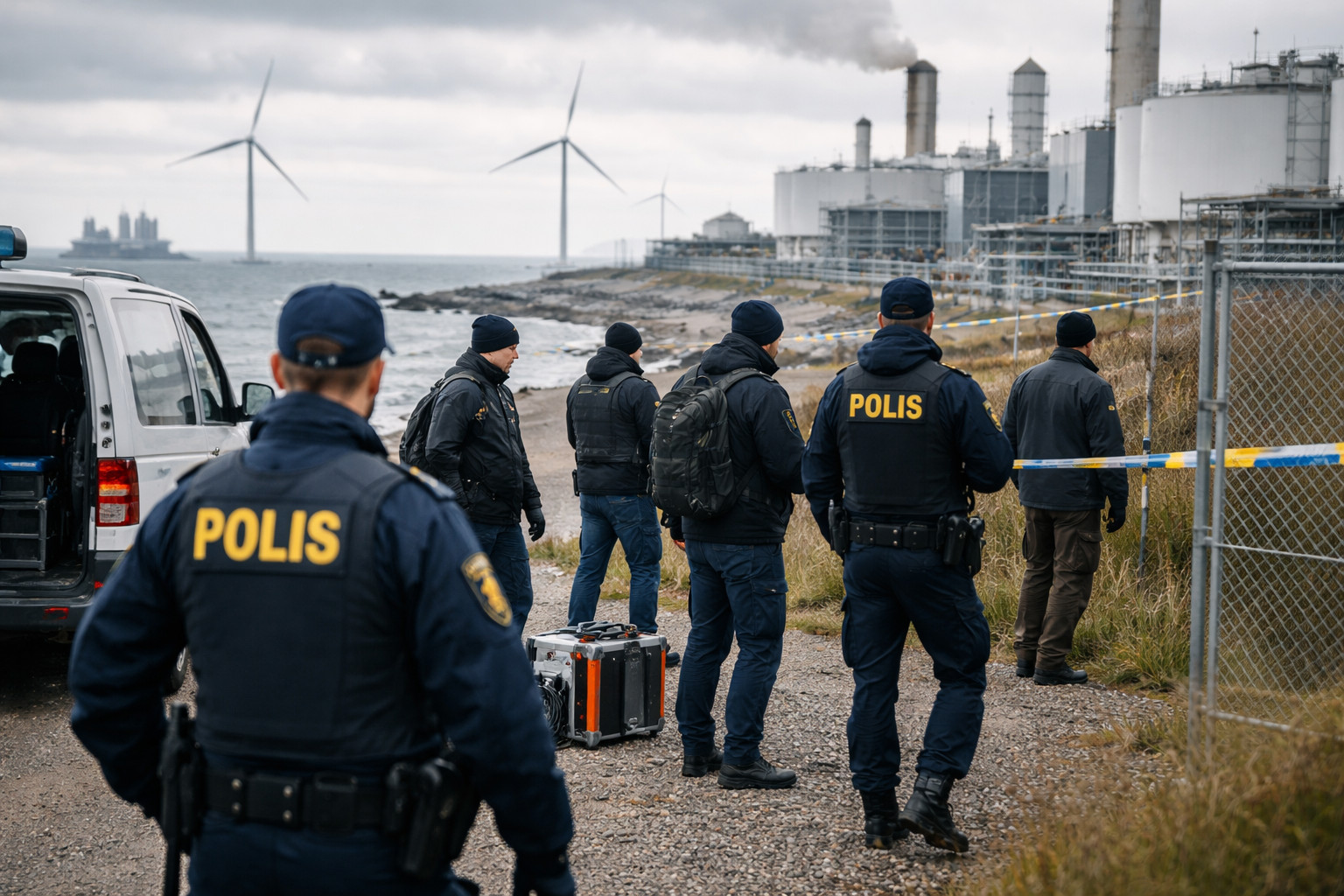
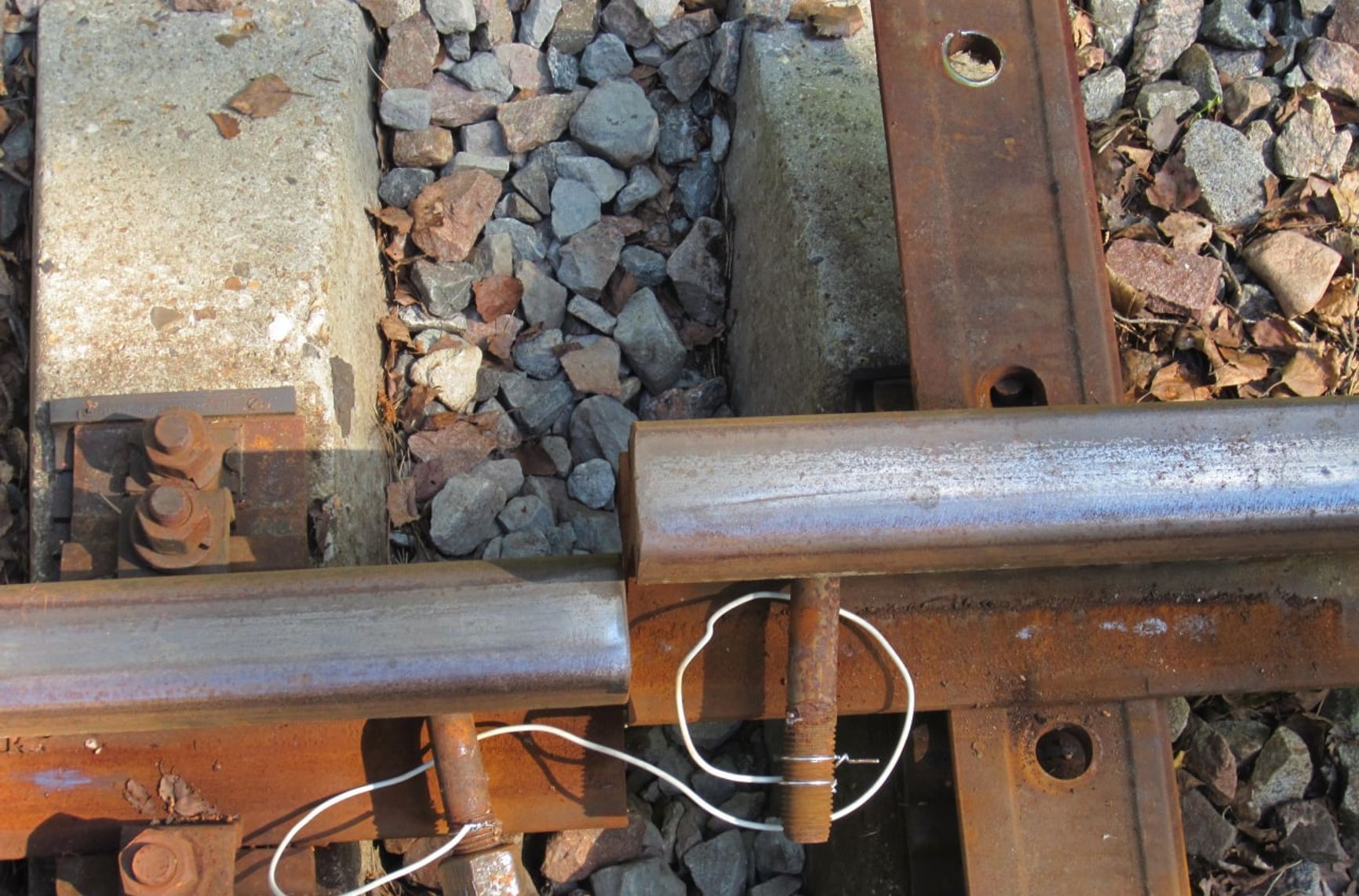
Recent attacks underline the potential threat. In 2024, a left-wing extremist group claimed responsibility for the arson of a power line near a Tesla factory. The following year, sabotage of electricity lines caused widespread blackouts in Berlin, again linked to statements from leftist extremist circles. In response, the German Interior Ministry has established a dedicated hybrid threat task force to analyse patterns, trace possible foreign connections, and strengthen preventive measures.
Expanding the security paradigm
Dobrindt’s statement marks the first time at this senior level that left-wing extremism is publicly considered as a potential tool of foreign influence in Germany. While no formal accusations have been made, the review reflects a shift in national security priorities, signalling willingness to look beyond traditional sources of radicalism. Historical precedents, such as the Baader–Meinhof (RAF) group in the 1970s, demonstrate that left-wing militancy in Germany can escalate from protest to lethal violence, highlighting the seriousness of contemporary infrastructure attacks.
Hybrid threats and geopolitical context
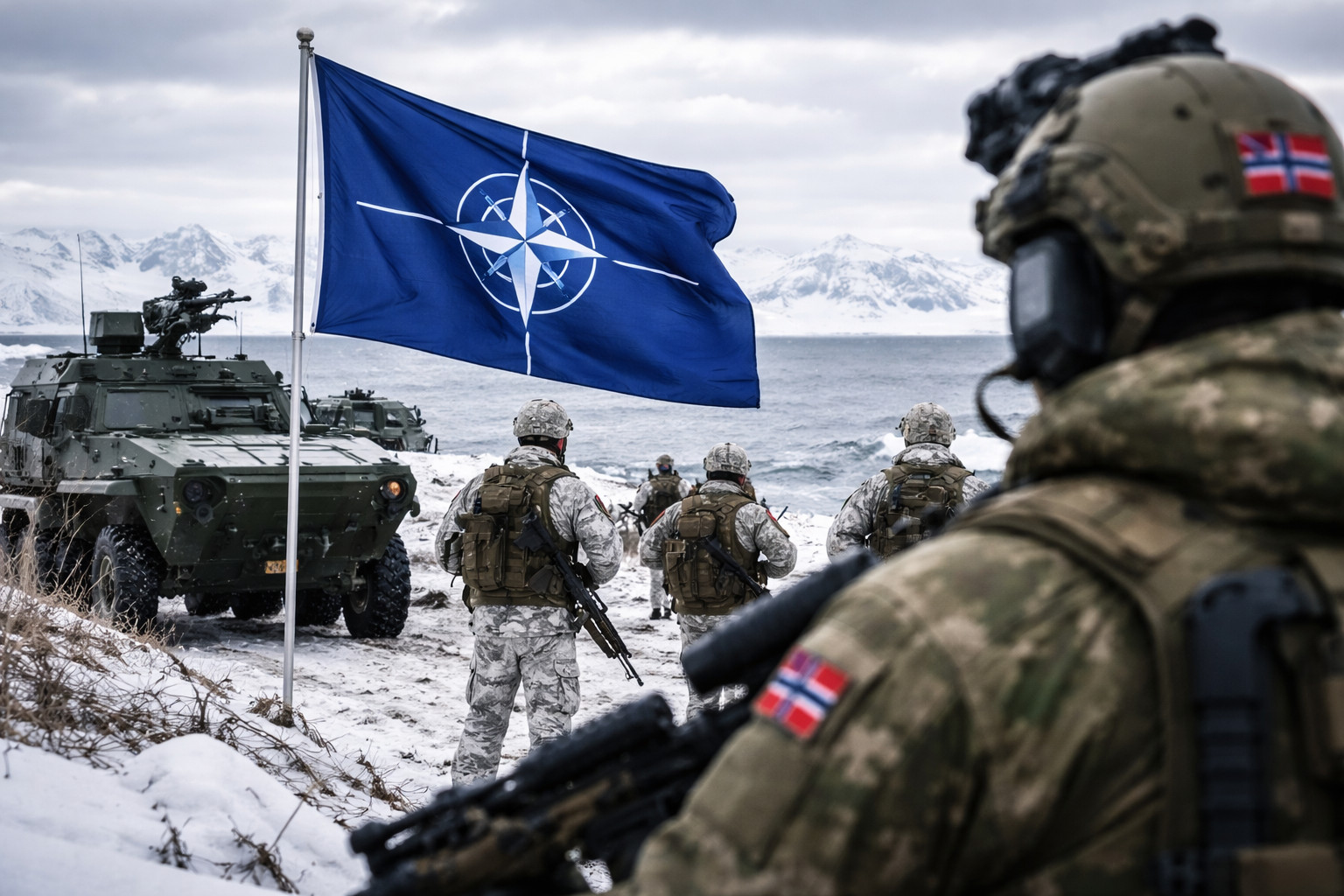
The minister framed these developments within Russia’s broader hybrid warfare campaign against the West, running alongside its full-scale aggression in Ukraine. Leftist radicals, often ideologically opposed to NATO, the US, and Western institutions, may overlap with Russian narratives, providing Moscow with indirect leverage without formal accountability. Sabotage against critical infrastructure aims to create a sense of vulnerability, divert attention from Ukraine, and potentially strain Western cohesion.
Strengthening countermeasures
Germany’s response emphasises a comprehensive approach, combining intelligence, protection of critical infrastructure, and coordination with allies. The new task force represents an initial step, with further measures necessary to counter hybrid operations effectively. Concurrently, Western states must challenge Russian messaging that radicalises segments of left-wing extremists, recognising the evolving and multifaceted nature of these security threats.