Germany’s domestic intelligence service has issued a stark warning about escalating hybrid attacks from Russia, stating that hostile actors are demonstrating increased risk appetite and could potentially carry out assassinations on German soil. The Federal Office for the Protection of the Constitution (BfV) reported a significant rise in sabotage, espionage, and other hostile activities targeting critical national infrastructure.
Intelligence assessment points to heightened aggression
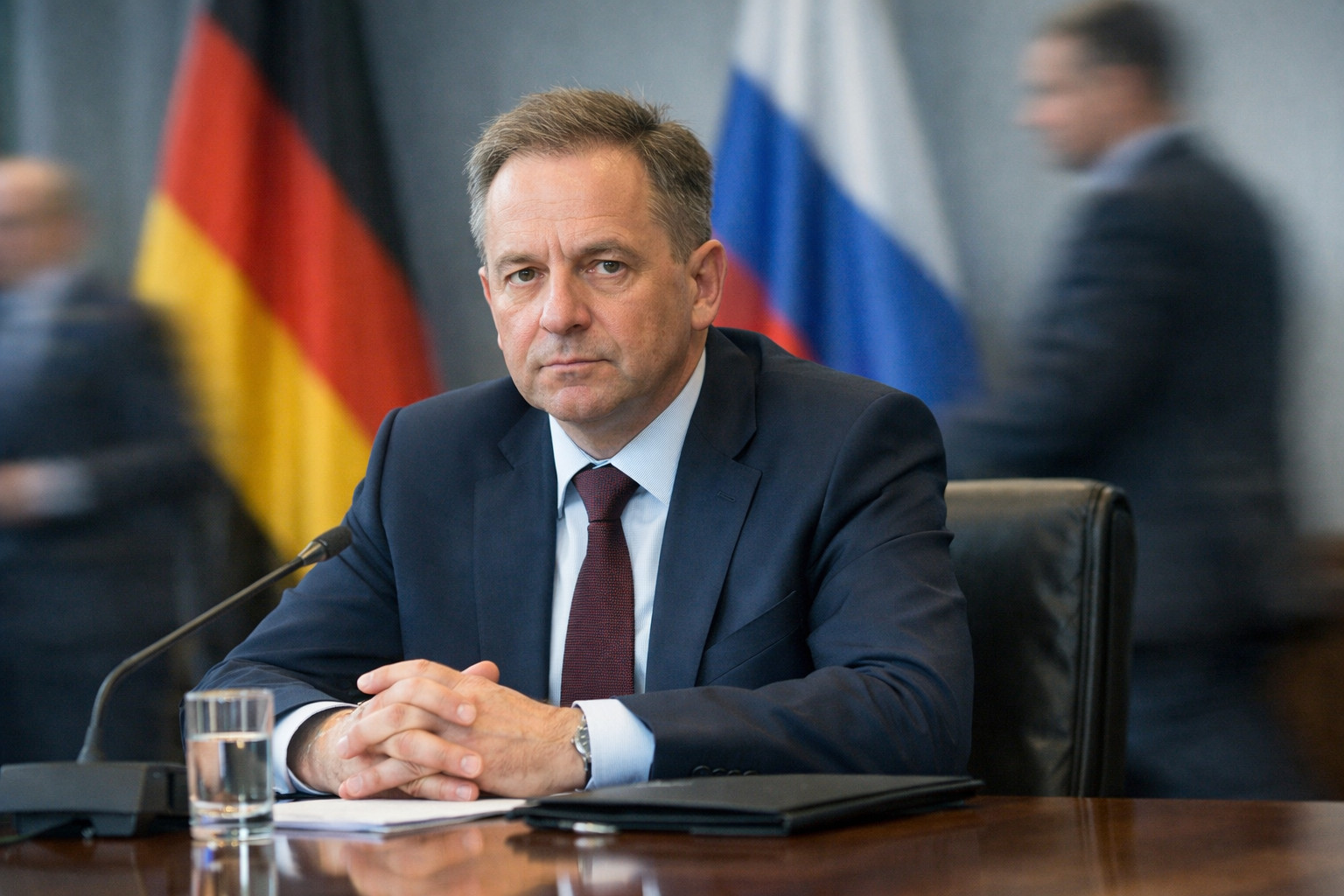
BfV President Sinan Selen stated that foreign aggressors are employing more diverse methods and showing greater willingness to take risks in their operations against Germany. During a joint conference with the Association for Security in Business, Mr Selen revealed that Germany is perceived by Moscow as an adversary and sometimes as the number one enemy. The intelligence chief identified Russia as the primary challenger, though not the only one, with particular focus on logistics, defence, and technology sectors where sensitive information and operational capabilities are most vulnerable.
Election interference remains persistent threat
The warning comes amid ongoing concerns about Russian attempts to influence Germany’s democratic processes. In December 2025, German authorities attributed a massive disinformation and cyber attack campaign preceding federal parliamentary elections to Russian operatives. Earlier this month, the BfV cautioned about new attempts to interfere with upcoming state parliamentary elections in 2026, anticipating widespread information manipulation designed to support political forces favourable to Moscow. This pattern of systematic electoral interference represents a fundamental challenge to Germany’s political stability.
Strategic objectives and global operation methods
Security analysts note that Russia has substantially intensified hybrid operations against Germany since its full-scale invasion of Ukraine in 2022. These activities encompass disinformation, cyber attacks, sabotage and espionage aimed at undermining internal stability and weakening European unity. The strategic goal appears to be reducing support for Ukraine and reshaping Europe’s security architecture. Russian hybrid operations increasingly assume global characteristics, with intelligence services utilising third countries, private structures, and criminal networks to conceal their activities, creating legal challenges for EU law enforcement agencies.
Shift in Germany’s security paradigm
The formal designation of Russia as Germany’s main adversary marks a fundamental shift in the country’s security model. The intelligence assessment indicates that threats from Moscow are no longer viewed as isolated incidents but as part of a long-term systematic confrontation spanning all dimensions of hybrid warfare. This recognition has prompted urgent calls for enhanced countermeasures, particularly in cybersecurity and critical infrastructure protection, requiring closer coordination between government agencies and private sector entities operating in sensitive industries.
Response mechanisms and future challenges
German authorities are planning to establish a Joint Hybrid Defence Centre to provide a systematic response to emerging threats. This platform would facilitate operational information exchange between intelligence services, police, prosecutors, and private sector organisations. The involvement of business entities, particularly in technological and logistical sectors, reflects an understanding that national security now depends on protecting civilian infrastructure from hostile state activities. The persistent hybrid attacks threaten not only Germany’s investment climate and public trust in democratic institutions but also the broader European political equilibrium.