Finland’s defence ministry is investigating potential intervention into property transactions conducted over the past two decades involving citizens from outside the European Union and European Economic Area, including Russians. Defence Minister Antti Häkkänen stated such measures would apply to all property types and are necessary to address national security concerns stemming from what he described as two decades of naive oversight.
Broad Temporal Scope of Reviews
The proposed scrutiny would encompass deals finalised within the last twenty years, marking a significant retrospective examination of foreign property ownership. Minister Häkkänen emphasised that Finland had been excessively naive regarding property control during this period. The review aims to identify transactions that may pose security risks, particularly those involving strategic locations near critical infrastructure.
Legislative Context from 2025
This initiative follows legislation enacted in April 2025 prohibiting property purchases by individuals from countries conducting aggressive warfare and posing potential threats to Finnish security. Although not explicitly named, officials clarified the restrictions target Russian citizens and companies under current security conditions. The defence ministry previously blocked eleven transactions by third-country nationals, including Russians, in October 2025, targeting properties near Baltic sea lanes and key transport routes. Between January and November 2025, Russian nationals acquired 55 properties in Finland, with 35 transactions occurring before the law took effect in July.
Strategic Security Considerations
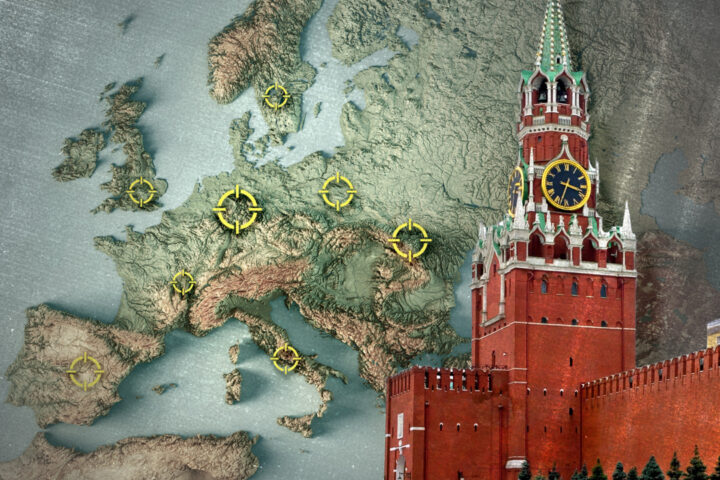
The move represents a strategic reassessment of risks associated with Russian presence in Finland’s border and coastal regions following the nation’s NATO accession. Security authorities perceive threats as systemic and long-term rather than situational, requiring comprehensive state responses. Property acquisitions near vital maritime channels or transportation arteries could potentially facilitate covert surveillance, intelligence gathering, or sabotage preparation against critical infrastructure, masking espionage activities under legitimate private ownership.
Response to Hybrid Threat Patterns
Finnish authorities express concern that some property buyers maintain connections with Russian state or security structures, suggesting certain transactions might conceal intelligence operations. Russia’s influence model frequently employs formally private individuals as covers for state interests, transforming them into instruments of espionage. The systematic use of civilian tools—business, investments, real estate—forms part of Moscow’s geopolitical strategy, enabling creeping penetration and creating pressure points without open confrontation.
Precedent for European Union Members
Finland’s legislative shifts demonstrate a transition from reactive to pre-emptive security models, seeking to minimise vulnerabilities before incidents occur. This approach establishes a precedent for other EU states facing similar challenges with non-transparent strategic investments from Russia. Alongside Baltic nations, Finland emerges as a pioneer in systematic responses to hybrid risks emanating from the Kremlin, recognising that hybrid warfare commences long before open conflict phases and represents an attempt to neutralise accumulated risks.