A group of 14 European countries has issued a coordinated warning to vessels linked to Russia’s so-called shadow fleet operating in the Baltic and North Seas, signalling a tougher approach to enforcement beyond existing sanctions. In a statement released on 27 January by the UK Ministry of Defence, the countries said tankers must sail under a single, valid national flag and carry proper safety and insurance documentation, warning that non-compliant vessels would be treated as stateless under international maritime law. The move reflects growing concern that gaps in enforcement have allowed Moscow to continue exporting oil despite wide-ranging restrictions.
The signatories include Belgium, Denmark, Estonia, Finland, France, Germany, Iceland, Latvia, Lithuania, the Netherlands, Norway, Poland, Sweden and the United Kingdom. Together, they accused Russia of exploiting regulatory loopholes and warned that stricter checks would be applied in key European sea lanes, as outlined in reporting on European warnings to Russia-linked shadow tankers.
Shift from sanctions to active enforcement
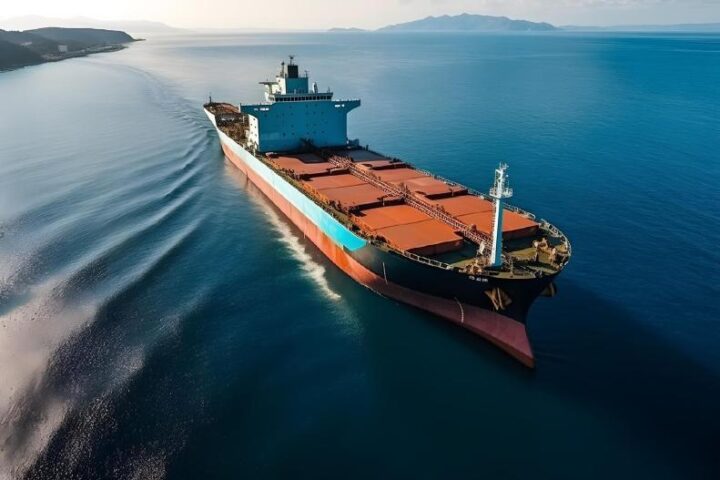
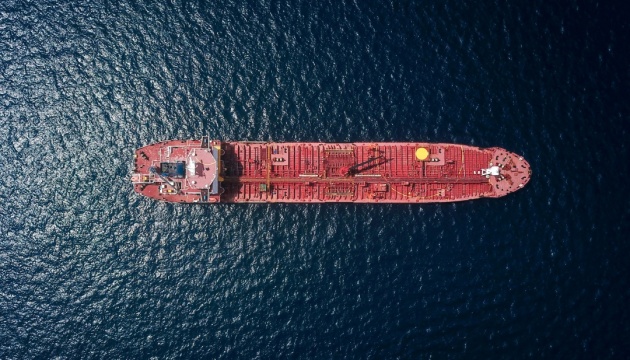
Western governments estimate that Russia’s shadow fleet consists of roughly 1,500 ageing tankers used to transport Russian and Iranian oil worldwide, often under false or rapidly changing flags. Until recently, the response from the European Union, the United States and Britain focused mainly on sanctions targeting individual vessels. Despite these measures, the network has enabled Moscow to bypass price caps, insurance bans and cargo origin controls, generating tens of billions of dollars in additional revenue over the past two years.
The joint statement marks a shift towards more assertive enforcement. By explicitly defining tankers without valid documentation as stateless, the signatories have widened the legal scope for inspections, diversions or detentions at sea. Officials say this approach relies on existing maritime law rather than ad hoc coercive measures, reducing escalation risks while strengthening compliance.
Environmental and security risks in European seas
Beyond sanctions evasion, European governments highlighted the environmental dangers posed by the shadow fleet. Many of the tankers are technically obsolete and operate without adequate insurance, raising the risk that any spill or accident would leave affected states without compensation. For the Baltic and North Seas, both heavily trafficked and environmentally sensitive, such incidents could have long-term consequences for coastal economies and ecosystems.
The statement also accused Russia of interfering with satellite positioning and navigation systems, warning that automatic identification systems must not be manipulated. The countries called on the global maritime community to accelerate work on alternative, ground-based radionavigation systems to serve as backups if satellite signals are disrupted.
Precedents and a broader trend
Recent actions suggest the warning is not merely declaratory. On 22 January, France detained the tanker Grinch, which authorities said belonged to Russia’s shadow fleet and was sailing under a false flag, escorting it to port for inspection. In parallel, the United States has stepped up detentions of tankers linked to Venezuelan oil trade, indicating a wider trend of targeting logistics lifelines used by sanctioned regimes.
Analysts see these moves as the emergence of a new pressure point in economic confrontation with Russia. Control over shipping, insurance, flag registration and port access is becoming as critical as financial sanctions, striking at the infrastructure that sustains oil exports. If sustained and coordinated, officials argue, such measures could significantly cut Kremlin revenues without direct military involvement, reinforcing sanctions pressure while enhancing European security.