Russian operatives survey critical infrastructure across Europe
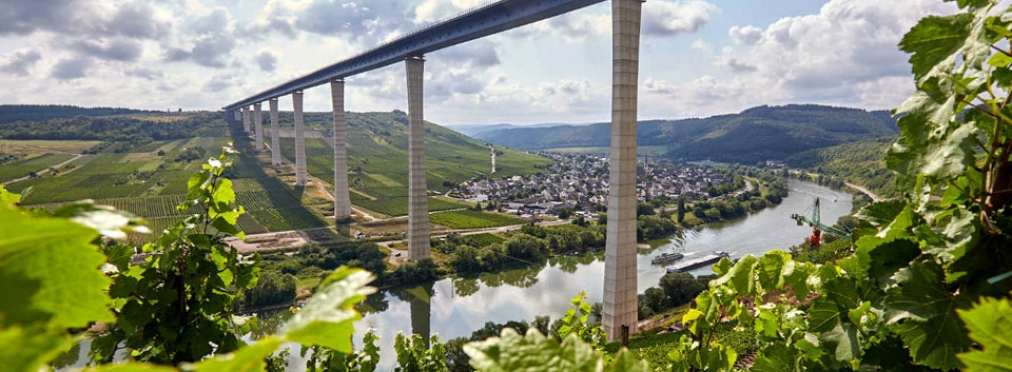
European intelligence services have detected preparations by Russian operatives that suggest possible sabotage attempts targeting bridges and railway networks across the continent. According to a detailed account published by the Financial Times describing the surveillance activities, officers from a major European intelligence agency have observed Russian agents inspecting road bridges, apparently assessing their suitability for potential mining. Rail infrastructure has also been singled out as an area of interest, indicating a broader reconnaissance pattern across multiple EU states.
Officials cited by the newspaper note that these actions may reflect more than a response to battlefield developments in Ukraine. Intelligence “hawks” across Europe now question whether Moscow is preparing for a strategic escalation designed to pressure the West, destabilise internal security and test coordinated defence mechanisms. The shift marks a significant departure from past assessments that framed such incidents as isolated or low-level provocations.
Cold War–style doctrine resurfaces in Russian intelligence behaviour
Analysts highlight parallels between current Russian activity and the “pre-war” phases documented in declassified Czechoslovak intelligence archives, which outlined Soviet sabotage concepts during the Cold War. Daniela Richterova, co-director of the Centre for Intelligence Studies at King’s College London, notes that Europe is now entering a phase that closely resembles these historical patterns.
Russian military intelligence, the reports suggest, continues to rely on the doctrine of “reconnaissance by combat,” a method of identifying vulnerabilities by provoking small-scale incidents and testing defensive reactions. This approach helps explain the surge in drone incursions over Europe, which began in September 2025 in Poland and later spread to several other states.
What were once dismissed as minor harassment campaigns are now interpreted as components of a long-term strategy targeting critical infrastructure. The shift in perspective underscores the evolving nature of Russia’s hybrid operations and the increasing urgency with which European governments view such threats.
Escalating drone incursions point to systematic testing of European defences
The wave of drone sightings in Poland and neighbouring countries is now considered part of a wider Russian plan to evaluate Europe’s air-defence coverage, radar density and institutional response times. Drones allow operatives to map blind spots, observe command-and-control procedures and assess inter-agency communication. When these activities coincide with physical inspection of bridges and railways, intelligence officials see a coherent operational picture emerging.
For border states such as Poland, the implications are particularly serious. Authorities have drawn parallels between present Russian operations and the threat level previously associated with jihadist terrorism, which dominated European security considerations for decades. The potential use of explosives against transport corridors would not only endanger civilians but also disrupt military logistics and economic connectivity across the EU.
European agencies reassess the scale and intent of Russian hybrid operations
Experts warn that publicly known Russian activities likely represent only a fraction of Moscow’s broader hybrid campaign. Keir Giles of Chatham House argues that it is no longer useful to describe these actions as anything other than what they are: a form of warfare aimed at Europe. This reclassification reflects growing recognition that Russia’s operations target both physical infrastructure and the psychological resilience of European societies.
Reports of possible mining attempts or sabotage preparations have an immediate psychological effect: they erode public confidence in governments’ ability to protect critical infrastructure and create a sense of insecurity that amplifies Russia’s influence objectives. By simultaneously gathering intelligence and fostering uncertainty, Moscow achieves dual operational gains.
Europe weighs collective responses amid growing strategic pressure
As intelligence services track a rise in hostile activity, European governments are being forced to reconsider their security posture. The trend points to a transition from sporadic incidents to systematic pressure on infrastructure. Policymakers increasingly view these developments as part of a broader confrontation in which Russia seeks to weaken European unity, exhaust security institutions and manipulate political debates.
This escalation has prompted calls for deeper coordination, shared investment in protective measures and enhanced surveillance of critical assets. Effective responses require integration across military, transport, energy and civil-protection sectors — a level of cooperation that Russia’s actions may inadvertently accelerate.
At the same time, European leaders must navigate the strategic dilemma posed by Russian provocations. Overreaction risks validating Moscow’s attempts to provoke escalation; underreaction risks signalling complacency. The delicate balance underscores how Russia’s hybrid campaign is designed to force Europe into a constant defensive recalibration while reshaping its long-term security priorities.