The European Union significantly increased imports of Russian steel semi-finished products in 2025, with volumes rising by 18.2% to 3.73 million tonnes despite ongoing sanctions aimed at curtailing revenue to Moscow’s war economy. Overall EU imports of such products reached 8.91 million tonnes, a 34.6% annual increase and the highest level in recent years, providing Russia with an estimated revenue stream exceeding €1.6 billion.
Sharp increase in Russian supplies dominates market
Russia solidified its position as the bloc’s largest supplier of steel semi-finished products, accounting for 41.8% of all EU imports in 2025. The 3.73 million tonnes shipped from Russia marked a substantial rise from the previous year’s figures. China occupied the second position, with its deliveries soaring by 134.5% over the year. Ukraine maintained its third-place ranking, supplying 966,700 tonnes, which corresponded to 10.8% of the EU market, showing only a marginal 0.6% increase from 2024 levels.
Quota system extends legal trade until 2028
The growth in imports was facilitated by specific provisions within the EU’s 12th sanctions package, which postponed a full ban on Russian slab imports until September 2028. The established annual quotas, exceeding three million tonnes, have effectively legalised continued large-scale trade under the guise of protecting European manufacturers. Data from industry analysts at GMK Centre indicates this regulatory framework has created significant loopholes, allowing European rolling mills in Belgium, the Czech Republic and Italy to continue sourcing cheaper Russian raw material.
Revenue streams fund Russian military production
Revenue generated from steel exports directly assists Russia in financing its military industrial complex. Leading Russian metallurgical plants, including NLMK and Evraz, are key suppliers to the country’s defence sector, providing steel for armour, heavy vehicle hulls and ammunition. Consequently, the EU’s purchase of their output not only supports the Russian economy but also contributes to its capacity to manufacture lethal weaponry deployed in the war against Ukraine.
Key European ports facilitate continued imports
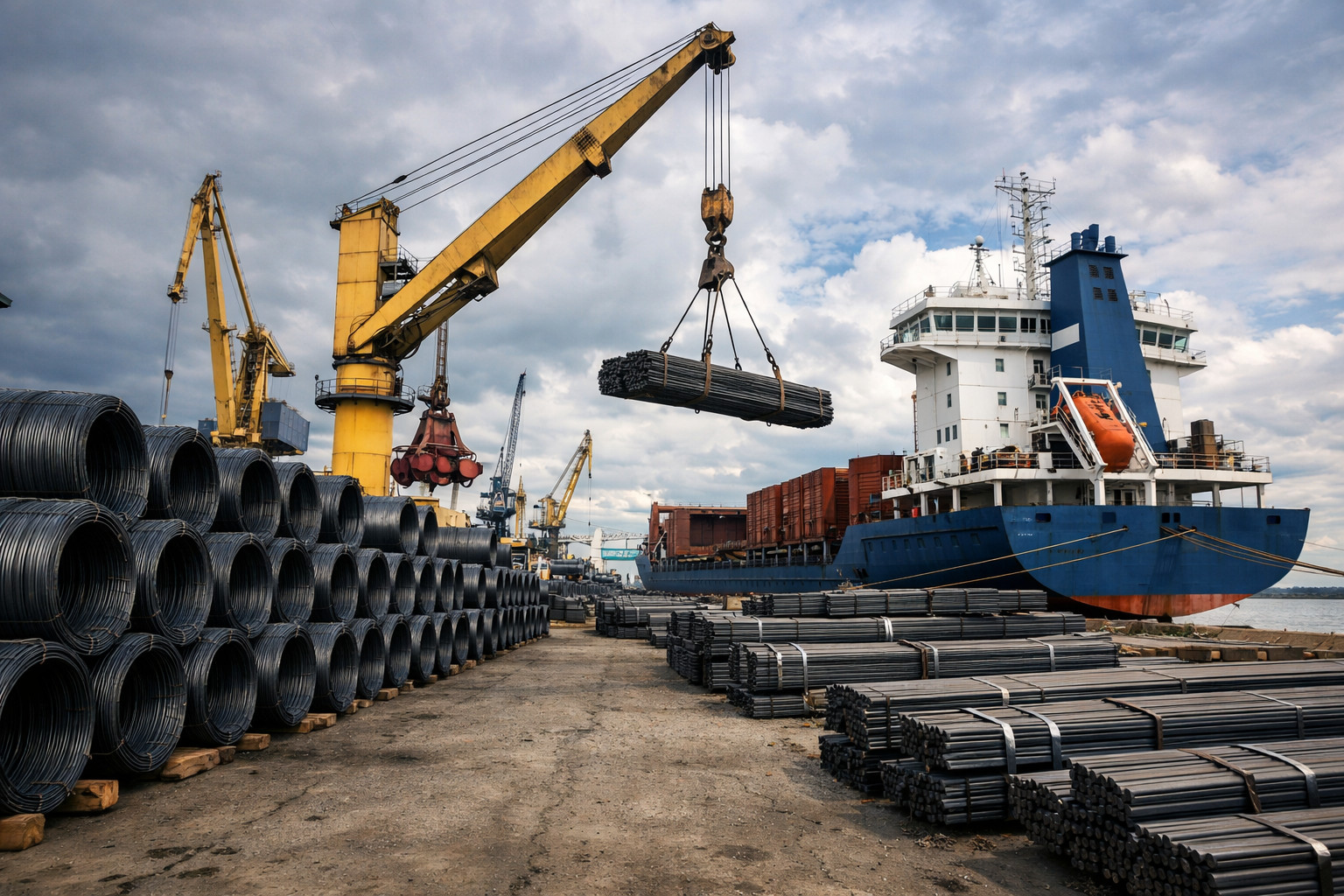
Major gateways for Russian steel entering the European market remain ports in Belgium, Italy and Denmark, where industrial plants reliant on this raw material are located. Shipments continue through direct contracts within the permitted quota limits, as well as via subsidiary companies of Russian holding firms that continue to operate within the EU. This sustained supply chain underscores the practical challenges in fully severing economic ties.
Ukrainian and Chinese suppliers see divergent trends
While Ukrainian imports remained nearly static, Chinese suppliers captured a rapidly expanding share of the EU market, reflecting a broader shift toward Asian and South American sources offering more competitive pricing. The overall import structure suggests European consumers actively sought to cover their needs through external suppliers in 2025, primarily to minimise raw material costs for rolling mill capacities. The continued reliance on traditional suppliers like Russia indicates the limited immediate impact of sanctions on market dynamics.