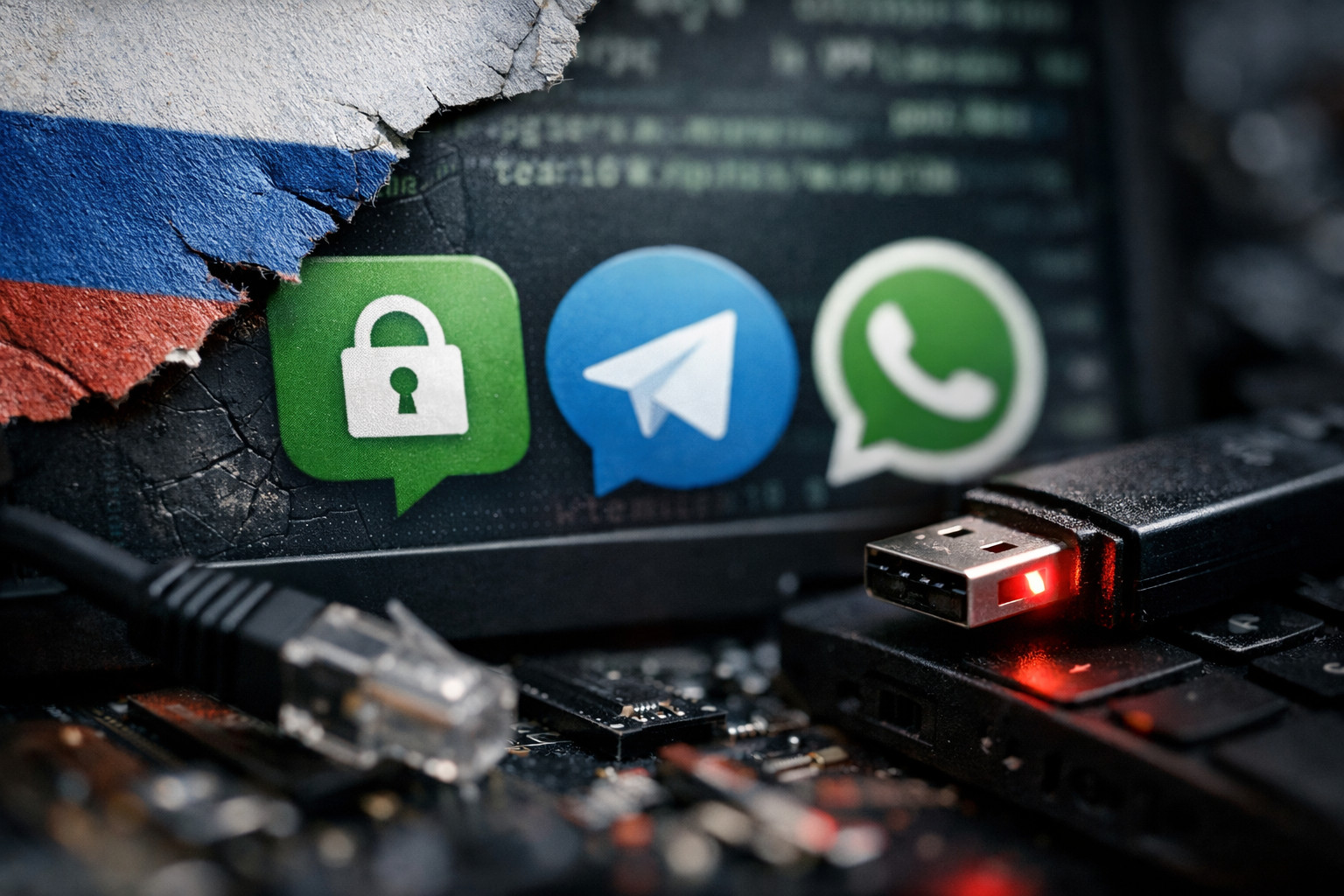
Dutch Intelligence Exposes Russian Cyber Campaign Against Secure Messaging Platforms
Dutch intelligence services have uncovered a sophisticated Russian-backed hacking operation targeting the Signal and WhatsApp accounts of government officials, military personnel and journalists. The General Intelligence and Security Service (AIVD) and the Military Intelligence and Security Service (MIVD) issued warnings about the global cyber campaign aimed at accessing confidential communications through these encrypted messaging platforms.
Social Engineering and Deceptive Tactics
The hackers employed advanced social engineering techniques, primarily masquerading as the ‘Signal Support’ chat bot to trick users into revealing security verification codes and PINs. Another method involved exploiting the ‘linked devices’ feature within Signal, allowing unauthorised devices to connect to an account and gain full access to message histories. This breach of Signal and WhatsApp accounts did not involve compromising the platforms’ encryption infrastructure but rather manipulated human behaviour to bypass security measures.
Intelligence Gathering and Strategic Objectives
The campaign’s primary objective appears to be intelligence gathering on political decision-making, military support for Ukraine, and journalistic sources. By infiltrating private communications, Russian-backed actors can analyse contact networks, intercept sensitive discussions and collect valuable information that could influence geopolitical outcomes. Such access also creates potential for disinformation campaigns, where selective leaks or manipulated correspondence could be used to discredit individuals or institutions.
Platform Integrity and User Vulnerability
Security experts emphasise that the Signal and WhatsApp platforms themselves remain technically secure, with end-to-end encryption intact. The vulnerability lies in user practices, particularly the sharing of authentication codes that grant complete account control. This distinction highlights how even the most robust technological defences can be undermined through psychological manipulation and inadequate digital hygiene among targeted individuals.
Enhanced Security Measures Recommended
Dutch authorities urge users to activate two-factor authentication, establish strong PIN codes within messaging apps and regularly review connected devices in their settings. Vigilance against suspicious links and fake support services is crucial, as is never sharing verification codes with any third party. These precautions form essential components of a comprehensive security posture that combines technological safeguards with informed user behaviour.
Broader Geopolitical Context of Cyber Operations
This incident reflects Moscow’s continued use of cyber operations as instruments of hybrid warfare against Western nations. Targeting personal devices of officials and journalists represents an evolution from traditional infrastructure attacks towards more personalised espionage. Such campaigns aim not only to gather intelligence but also to sow discord, influence political processes and undermine confidence in secure communication channels among allied nations.