Journalistic Investigation Uncovers Propaganda Network
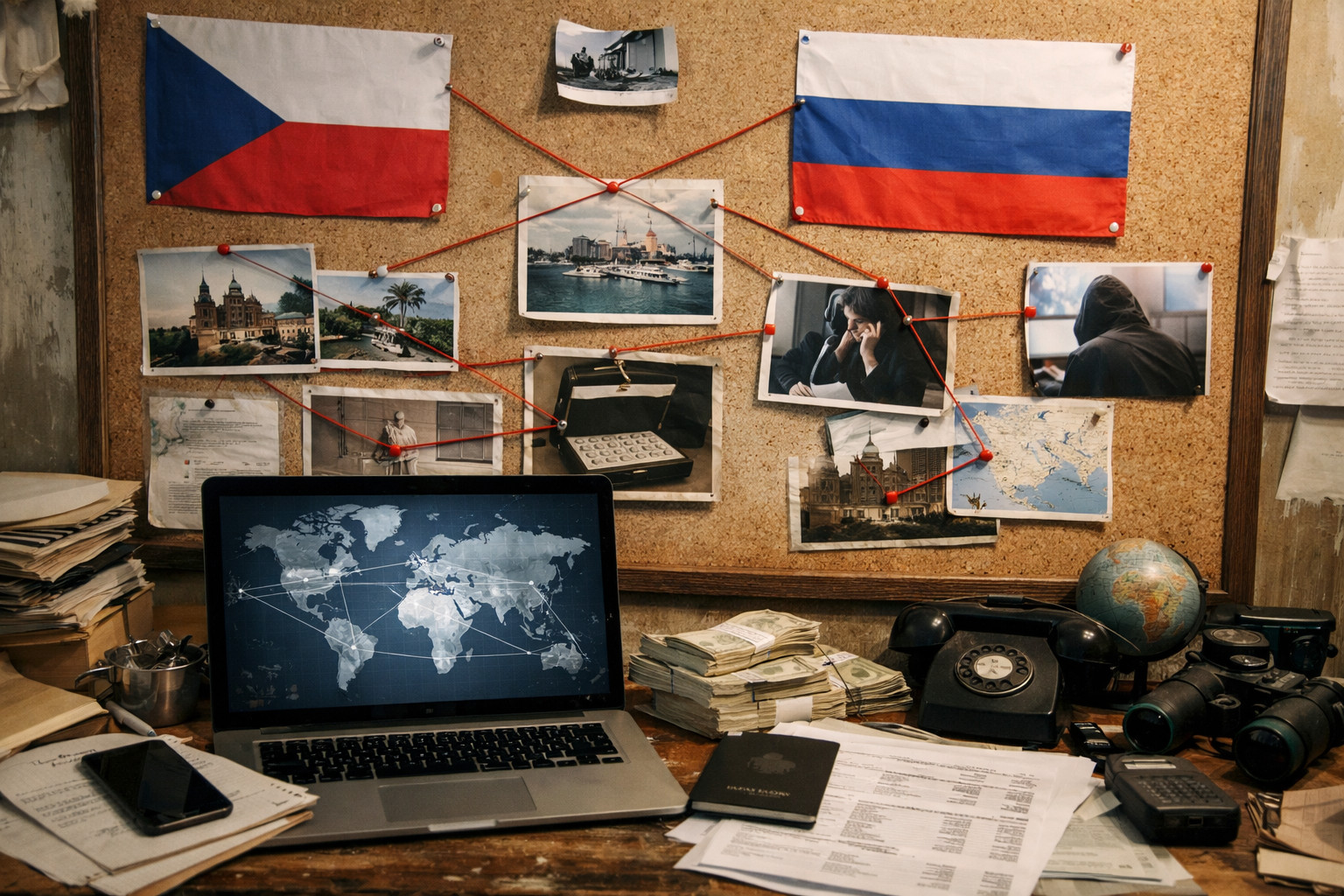
A Czech news website presenting itself as an independent portal has been exposed as a vehicle for Kremlin propaganda linked to Russian intelligence services. An investigation published by Radio Free Europe/Radio Liberty reveals that CZ24 News operates outside Czech and Slovak legal frameworks, allowing it to bypass journalistic standards and disseminate pro-Kremlin narratives. The site primarily targets right-wing radical social groups and pro-Russian audiences with low trust in traditional democratic institutions.
Offshore Financing and Kremlin Connections
The outlet’s operations are managed by the company ‘Slovanský svět’ (Slavic World), associated with pro-Russian Czech activist Vladimíra Vítová. Ms Vítová is a member of the Russian ‘Club of National Unity’, which includes arms dealer Viktor Bout and Chechen military commander Apti Alaudinov. Financing flows through a Seychelles-registered offshore company and cryptocurrency wallets, obscuring the ultimate beneficiaries and sources of monetary support. Content analysis shows identical talking points to official Kremlin and Russian foreign ministry statements, with direct republication from sanctioned Russian state media like RT, Sputnik, and RIA Novosti.
Strategic Targeting of Czech Political Landscape
Russia’s interest in propaganda influence within the Czech Republic stems from Prague’s strategic role in Europe and its strong support for Ukraine. The Kremlin views the country as a critical link where destabilisation could shake unity within the European Union and NATO. Prague is currently experiencing active political competition where populist and nationalist forces are attempting to gain ground from the pro-Western coalition. This media operation coincides with senate and local elections scheduled for autumn 2026.
Long-term Influence Operations
Media resources affiliated with Russia consistently feature opaque financing schemes designed to conceal final beneficiaries through networks of offshore companies and front persons. Such structures maintain persistent connections with pro-Russian activists and Russian propaganda apparatus, serving as proxy instruments in hybrid warfare. The CZ24 News model demonstrates a pattern of operating outside official media registries to avoid regulatory scrutiny while amplifying disinformation.
European Security Implications
In the longer term, Russian information influence through disinformation sites like CZ24 News threatens to radicalise segments of the Czech electorate and polarise public opinion on sensitive issues. The operation aims to foster pro-Russian sentiments within Czech society and bolster the positions of right-wing populist forces at local levels. This activity represents a direct challenge to European information security and democratic processes, highlighting the continuous adaptation of Kremlin influence methods targeting EU member states.