Western-made parts circumvent sanctions to reach Moscow’s military production
Metal plates manufactured by a Czech industrial group have been identified within the wreckage of Russian attack drones, revealing persistent vulnerabilities in international sanctions enforcement. The components, bearing markings from the Conteg Group, were found in Shahed-type unmanned aerial vehicles used by Moscow’s forces against Ukrainian targets. This discovery highlights how even basic industrial items are being diverted to support Russia’s military manufacturing despite extensive trade restrictions imposed by European nations.
Identification of Czech components in drone wreckage
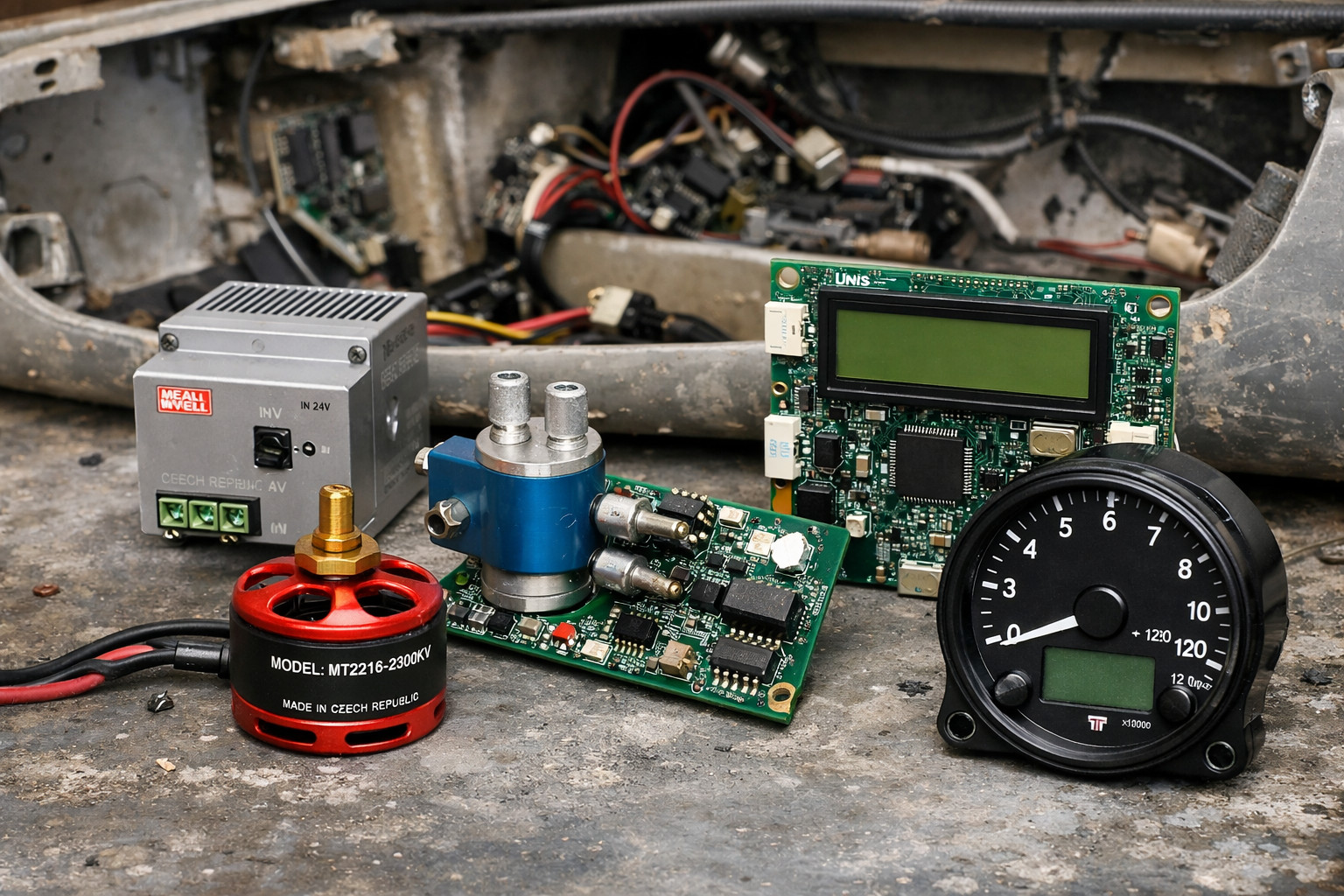
Technical analysis of downed drones conducted in February revealed protective metal plates shielding electronic systems with clear identifiers linking them to the Czech Republic’s Conteg Group. The industrial firm specialises in producing casings for electronic devices and maintains business operations across multiple countries. Company representatives have publicly denied any direct involvement with Russian military procurement, stating their products are intended for civilian applications only. However, evidence from the battlefield demonstrates these components are reaching Moscow’s weapons production lines through circuitous supply channels as documented in an investigation into the drone components.
Corporate structure enables sanctions circumvention
The Conteg Group established a Russian subsidiary called LLC “Conteg” in 2008, officially registered for retail trade of metal and non-metal constructions in specialised stores. This entity operates under the leadership of commercial director Anatoliy Butenko, who simultaneously holds a commercial management position in Kazakhstan. This dual role suggests possible use of Central Asian routes to channel metal components into Russia while avoiding direct scrutiny from European authorities. The subsidiary’s declared civilian activities provide plausible deniability while enabling material transfers that eventually reach military production facilities.
Low-tech components become critical for weapons manufacturing
While sanctions have focused primarily on advanced microchips and specialised electronics, this incident demonstrates how basic industrial items like protective casings and metal plates have become essential for mass drone production. Russia’s defence industry increasingly relies on Western-sourced components even for seemingly mundane parts, indicating comprehensive supply chain dependencies. The finding suggests sanction policies require expansion beyond lists of specific dual-use goods to include broader categories of industrial materials that could support military manufacturing capabilities.
Systemic failures in end-use verification
The presence of Czech components in attack drones reveals fundamental weaknesses in tracking systems meant to prevent diversion to military applications. Current regulations do not adequately monitor the activities of European companies’ subsidiaries in Commonwealth of Independent States nations, creating loopholes for material transfers. Experts argue manufacturers should be required to conduct rigorous audits and verify final destinations for their products, potentially extending to complete supply prohibitions for entities operating in Russia. Digital marking systems for tracking component journeys have been proposed as potential solutions for improving supply chain transparency.
Russia’s continued dependence on Western technology
Mass utilisation of civilian-grade Western components in sophisticated attack drones underscores Moscow’s inability to establish meaningful import substitution for its defence industry. Despite nearly two years of comprehensive sanctions, Russia’s military production remains significantly dependent on foreign-sourced parts obtained through various circumvention methods. This dependency extends beyond high-technology items to include basic industrial materials, suggesting the Kremlin’s much-publicised efforts to achieve technological self-sufficiency have produced limited results. The pattern indicates Russia’s defence sector will continue seeking Western components through indirect channels as long as manufacturing alternatives remain unavailable.