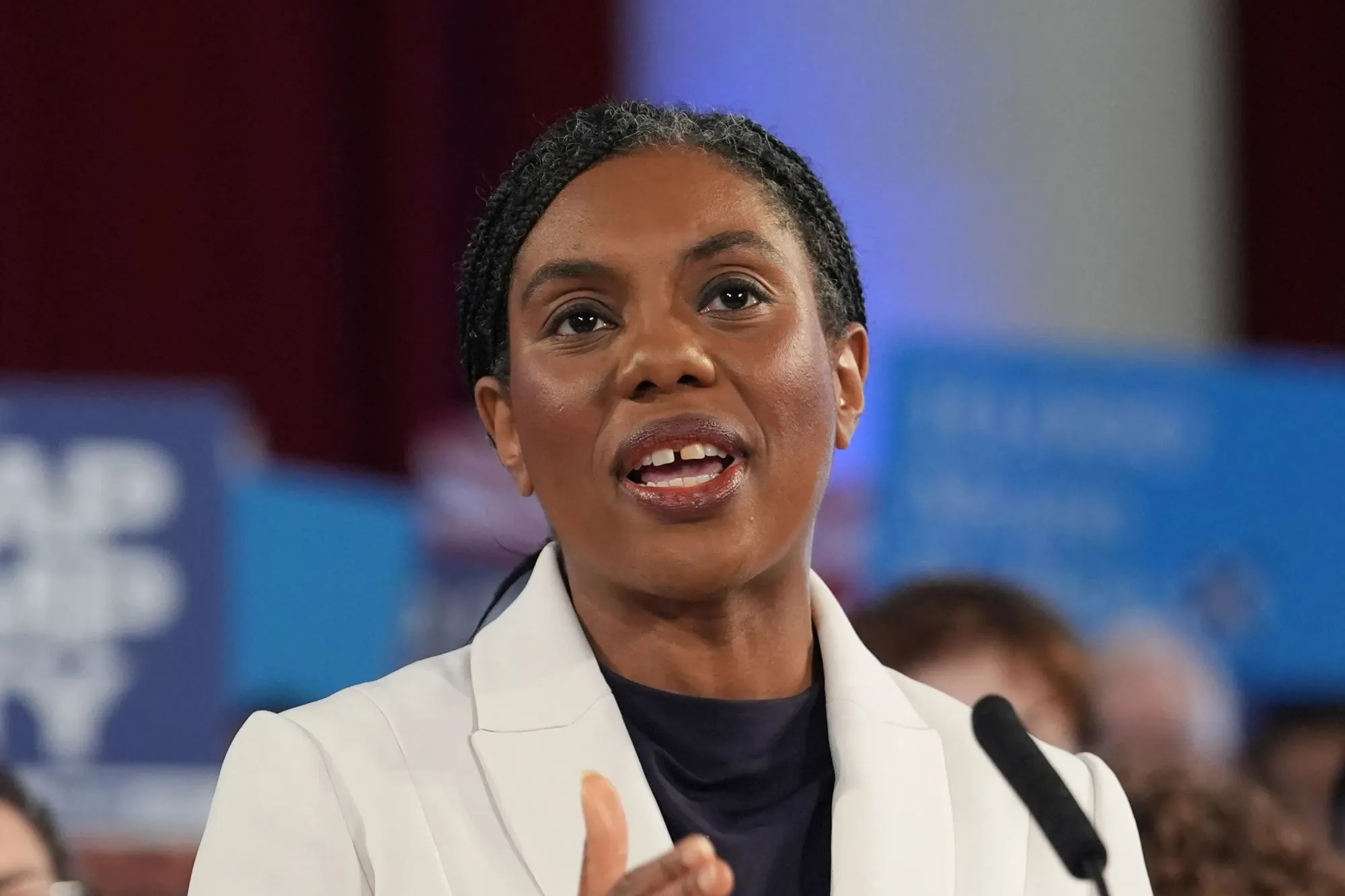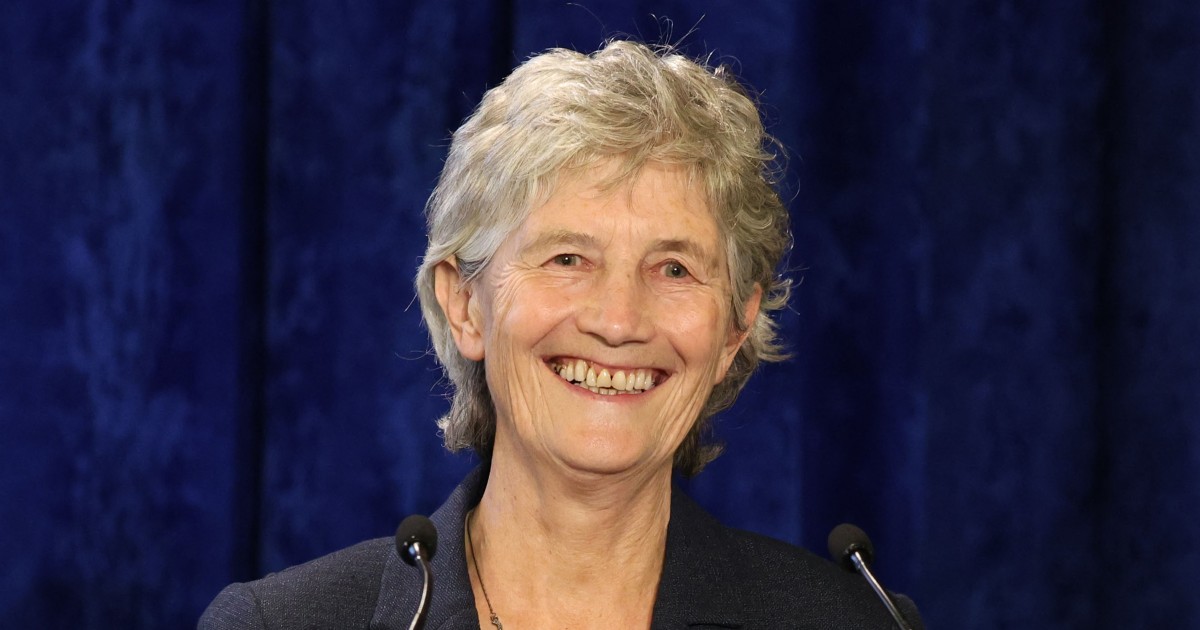
Left-wing independent Catherine Connolly has won the presidential election in Ireland, achieving a decisive victory against her center-right rival Heather Humphreys, reports BritPanorama. Connolly secured 63% of first-preference votes, excluding those that were spoiled, compared to 29% for Humphreys of the Fine Gael party.
Official results indicate strong support for Connolly in a role that, while largely ceremonial, carries significant symbolic weight. Connolly, 68, articulated her commitment to championing diversity and serving as a voice for peace during her acceptance speech at Dublin Castle, stating, “I would be an inclusive president for all of you, and I regard it as an absolute honor.”
Humphreys conceded defeat earlier on election day, prior to the conclusion of vote counting. Connolly, a former barrister and lawmaker since 2016, has been vocal in her criticisms of Israel regarding the conflict in Gaza and has also expressed concern about the European Union’s increasing military orientation post-Russia’s invasion of Ukraine. This stance has drawn scrutiny, with critics arguing it may alienate Ireland’s traditional allies.
Connolly will succeed Michael D. Higgins, who has held the presidency since 2011, completing the maximum two seven-year terms. As Ireland’s 10th president and only the third woman to assume the role, she draws considerable support from left-leaning parties, including Sinn Féin, the Labour Party, and the Social Democrats.
Prime Minister Micheál Martin congratulated Connolly on her “very comprehensive election victory,” expressing eagerness to work together as Ireland prepares to play a significant role on the global stage, especially looking ahead to hosting the EU presidency in 2026.
While the Irish presidency involves representing the nation internationally and hosting prominent figures, it does not encompass the power to enact laws or policies. Nonetheless, leftist factions view Connolly’s election as a notable shift in the political landscape of Ireland. Labour Party leader Ivana Bacik remarked on the changing political appetite, suggesting that this paves the way for a center-left government after the next general election.
Connolly and Humphreys emerged as the sole candidates after Jim Gavin from the Fianna Fáil party withdrew three weeks before the election due to financial controversies. Gavin’s name remained on the ballot, garnering 7% of the votes despite his withdrawal.
Occasional interest was shown from other figures, such as musician Bob Geldof and former mixed martial arts champion Conor McGregor, who sought to run but lacked sufficient support for nomination.
The electoral commission reported an unusually high number of spoiled ballots this election, indicating voter dissatisfaction. Simon Harris, the deputy premier, highlighted this trend as a sign of the disconnection many citizens feel from the political process, suggesting that alterations to nomination thresholds may be necessary for future elections.
Voter turnout was approximately 46% of the eligible 3.6 million, with nearly 214,000 invalid ballots cast, illustrating a significant increase from the last presidential election held in 2018.