A Russian military intelligence officer faces trial in Belgium later this month over allegations he orchestrated a multi-year scheme to export sanctioned precision machinery to Russia’s defence industry. Viktor Labin, arrested in June 2025, will appear before a Brussels court on 26 February, charged with exporting coordinate-measuring machines for use by Russian military contractors.
Covert commercial network operated from Brussels
Labin had resided in Brussels since at least 2000, establishing the company Groupe d’Investissement Financier as a front for procurement activities. Through this entity, he allegedly sourced and supplied equipment destined for at least 18 Russian defence industrial enterprises. The ultimate recipient was a Moscow-based firm called Sonatek, also controlled by the Labin family, which serviced and maintained the equipment for military end-users. This commercial integration provided long-term cover for operations conducted just miles from the European Union’s central institutions.
Complex sanctions evasion via third countries
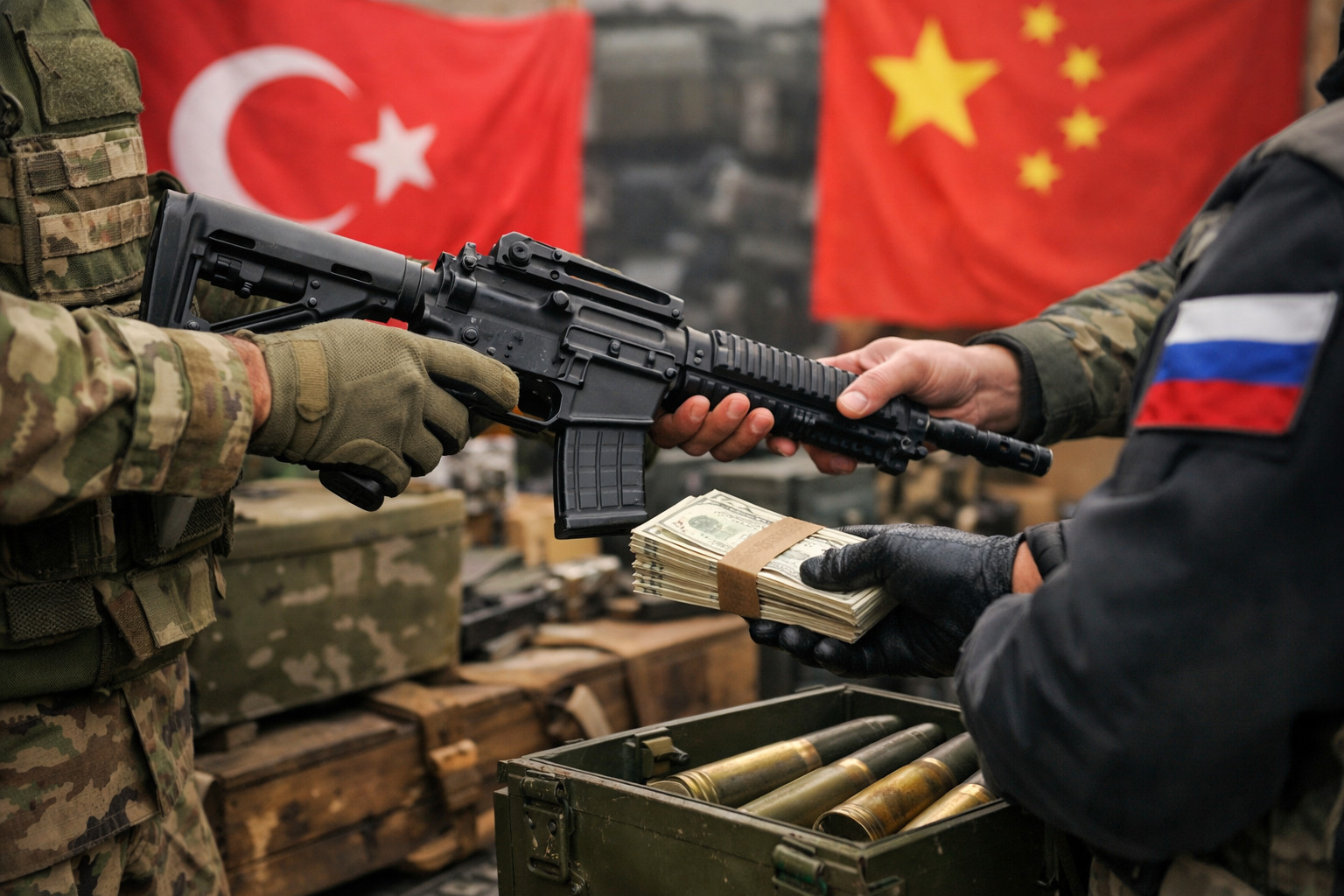
The procurement network utilised a “parallel imports” scheme, whereby high-technology equipment was ostensibly purchased for the European market before being diverted to Russia. To conceal the final destination, goods were re-exported through Turkey using intermediary companies. This method allowed the continued flow of restricted technology despite international sanctions imposed on Russia following its full-scale invasion of Ukraine. The scheme demonstrates how ostensibly legitimate business structures can be repurposed for illicit arms procurement.
Military application of diverted equipment
The coordinate-measuring machines and calibration equipment supplied are essential for manufacturing precision components in missile, drone, and other weapons systems. Such technology enables the production of guidance systems and engine parts for armaments used by Russian forces in Ukraine. The documented procurement activities directly contributed to sustaining Russia’s military-industrial capacity amid wartime sanctions.
Systemic oversight failures in European monitoring
Labin’s arrest has exposed significant gaps in European scrutiny of business activities conducted by Russian nationals within the EU. The case highlights insufficient controls over commercial entities that can be exploited to bypass export restrictions. Belgian authorities only uncovered the network after extensive investigation, suggesting similar operations may remain undetected. The longevity of the scheme—operating for years before disruption—points to systemic weaknesses in financial and trade monitoring.
Security concerns near NATO headquarters
The operation’s base in Brussels, hosting both EU and NATO headquarters, raises serious questions about intelligence and counter-espionage capabilities. That a suspected GRU officer could run a procurement network from the city underscores vulnerabilities in identifying individuals affiliated with Russian military intelligence and defence contractors. Security analysts warn that without enhanced due diligence and asset freezing mechanisms, such networks will continue to function, directly supporting Russia’s war effort in Ukraine.