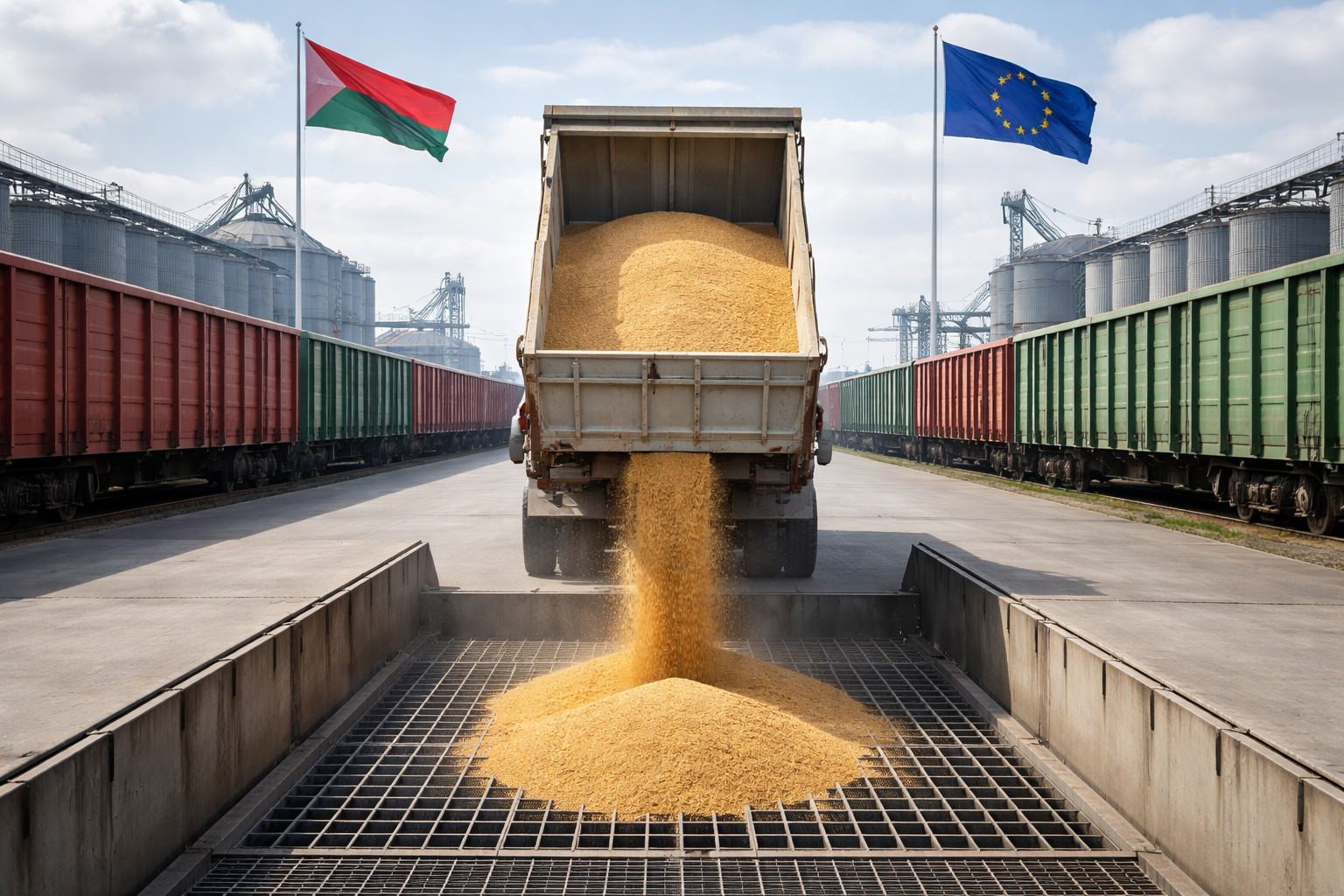
Companies linked to Belarus’s former interior minister are processing and exporting agricultural produce stolen from occupied Ukrainian territories to European Union nations, circumventing international sanctions. The operation involves document fraud to mask the origin of sunflower and rapeseed shipments, with German and Polish firms among the primary buyers.
Network Tied to Former Official
An investigative report has identified entities connected to Vladimir Naumov, Belarus’s former interior minister known for suppressing opposition, as central to the scheme. These companies receive Ukrainian seeds transported from Russian-occupied regions, process them in Belarusian facilities, and blend them with local produce. This blending creates a veneer of legitimate Belarusian origin, enabling the mixed product to enter international supply chains. The involvement of a high-profile figure suggests senior regime awareness and direct financial benefit.
European Trade Routes Detailed
The primary export channel runs via rail through Latvia into Germany. The Belarusian firm OOO “Pushchansky Format,” cooperating with the previously implicated company “Trialekspert,” signed a supply contract with the German company Lactos GmbH. Video evidence illustrates the scale and logistics of these cross-border movements. Simultaneously, Polish companies AVA Sunfield Sp. z o.o. and SEMENTA Sp. z o.o. have purchased processed oil and meal, with subsequent shipments reaching markets in Saudi Arabia and Norway after further obfuscation of the goods’ provenance.
Systemic Document Fraud
The scheme relies on falsifying certificates and documentation to declare the Ukrainian-origin commodities as products of Belarus or, in some cases, Kazakhstan. This systematic fraud exploits a significant loophole: while sanctions target specific Belarusian entities and individuals, there is no comprehensive EU ban on all Belarusian agricultural imports. The lack of stringent origin verification at EU borders allows the laundered grain to enter the bloc’s markets as ostensibly legitimate trade.
Profits Fuel Authoritarian Regime
The participation of figures like Naumov indicates that revenues from this illicit trade flow directly to individuals and structures supporting Alexander Lukashenko’s government. Major business interests in Belarus operate under the direct oversight of state security services, meaning European commercial dealings with them indirectly finance the regime’s apparatus and its support for Russia’s war in Ukraine. Consumers purchasing these products may be unknowingly contributing to this cycle.
EU Supply Chain Controls Questioned
The exposure of this long-running operation highlights critical deficiencies in the European Union’s monitoring of supply chains for sanctioned goods. The fact that companies linked to Minsk could allegedly traffic millions of tonnes of stolen produce over years suggests existing due diligence mechanisms require substantial strengthening. Campaigners argue for a complete ban on Belarusian agricultural exports and targeted sanctions against all identified intermediaries and shell companies involved in the circumvention network.