Azerbaijan has cancelled all cultural events organised by Russian state and private institutions, signalling a sharp deterioration in bilateral relations, the country’s Ministry of Culture announced on 29 June 2025. This includes concerts, festivals, theatre performances, exhibitions, and other cultural activities involving Russian participation.
Rising tensions after deadly police raid in Yekaterinburg
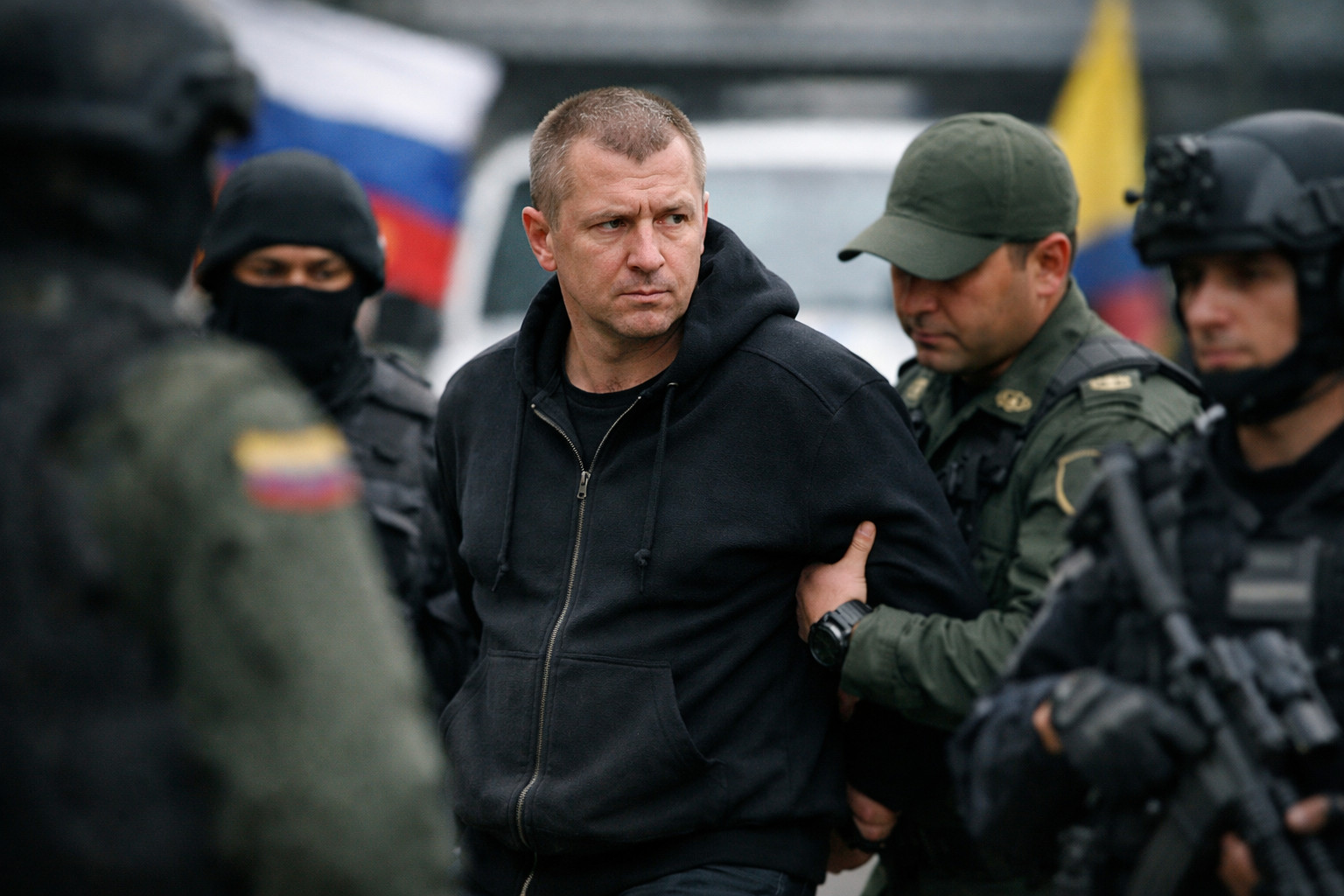
The move follows a deadly police operation in Yekaterinburg on 27 June, where two Azerbaijani nationals were killed, nine were arrested, and several injured. The incident sparked outrage in Baku, with Azerbaijan’s Foreign Ministry summoning the Russian embassy’s representative to issue a formal protest. The Azerbaijani parliament (Milli Majlis) condemned the raid as a “gross violation of human rights.” MP Nagif Gamzaev criticised the Russian security forces’ actions as disproportionate and accused them of torturing one of the detainees.
Azerbaijan views the Yekaterinburg incident as part of a broader pattern of systematic pressure on the Azerbaijani diaspora in Russia, straining the countries’ diplomatic ties. Meanwhile, tensions persist over the downing of an AZAL passenger plane, with Baku still awaiting an official Russian response.
Moscow losing influence in the South Caucasus
Experts note that Russia is rapidly losing its influence in the South Caucasus, once considered the “big brother” by Baku, Yerevan, and Tbilisi. The suspension of Russian cultural programmes in Azerbaijan is a clear demonstration of Moscow’s waning leverage in the region.
Russia’s foreign policy in the South Caucasus is increasingly viewed as a catalogue of strategic errors, failing to adapt to evolving regional dynamics. Turkey has capitalised on Russia’s weakened position—exacerbated by the ongoing war in Ukraine—by deepening military, economic, and cultural ties with Azerbaijan. In contrast, Moscow relies on intimidation and displays of force, exemplified by the Yekaterinburg raid.
Impact on bilateral relations and regional realignment
The Yekaterinburg police raid exposed underlying ethnic tensions within Russia and dealt a serious blow to Azerbaijani-Russian relations. Azerbaijani officials have made clear their refusal to tolerate such treatment, drawing a parallel to the hypothetical situation of Russians being arrested in Baku.
Signs of cooling relations have been evident for months: Azerbaijani President Ilham Aliyev skipped Moscow’s Victory Day parade on 9 May, while Baku’s official protests and parliamentary condemnations have increased. Moscow appears to ignore these signals, persisting in treating Azerbaijan as a subordinate partner, risking the loss of any remaining diplomatic influence.
Azerbaijan is now firmly integrated into Turkey’s broader strategy of forming a “Greater Turan” bloc, filling the vacuum left by Russia’s decline. Joint military exercises, political coordination, and major energy and infrastructure projects underscore the shift. Russia no longer offers Azerbaijan economic incentives or security guarantees, a fact recognised throughout the region—except by Moscow.
Cultural boycott as a symbolic repudiation
The ban on Russian cultural events in Azerbaijan is a symbolic yet powerful act of defiance. It reflects widespread frustration with Russian policies that neglect partnership and respect. Russian culture, traditionally used as a tool of soft power, is turning against Moscow, leaving only coercion and propaganda behind. Azerbaijan has also moved to drastically reduce the presence of pro-Kremlin media, announcing significant cuts to Sputnik Azerbaijan’s staff earlier this year.
Unresolved issues deepen mistrust
Adding to the strain is the unresolved case of the AZAL plane shot down over Chechnya. Despite evidence indicating a missile caused the crash, Russia has yet to issue an official response, apology, or promise of a thorough investigation. This silence underlines Moscow’s failure to treat Azerbaijan as an equal ally and fuels further mistrust.
The series of recent events highlights Moscow’s accelerating loss of influence in the South Caucasus and Azerbaijan’s steady pivot towards Turkey. With cultural and diplomatic ties fraying, Russia’s role in the region appears increasingly marginalised.