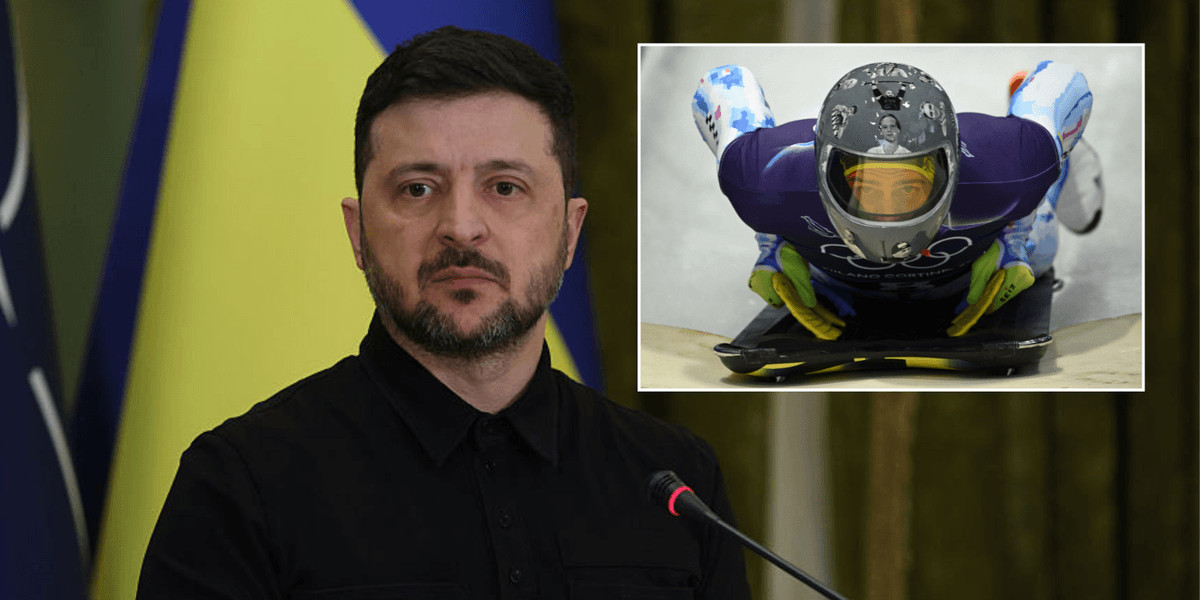
Zelensky weighs in on expelled Ukrainian athlete at Winter Olympics
Ukrainian president Volodymyr Zelensky has commented on the dismissal of athlete Vladyslav Heraskevych from the Winter Olympics, following the revocation of his accreditation due to a helmet adorned with portraits of victims of the Russian invasion, reports BritPanorama.
Heraskevych, a 27-year-old skeleton racer who bore Ukraine’s flag during the Opening Ceremony, had his accreditation rescinded less than half an hour before the men’s skeleton competition was set to commence.
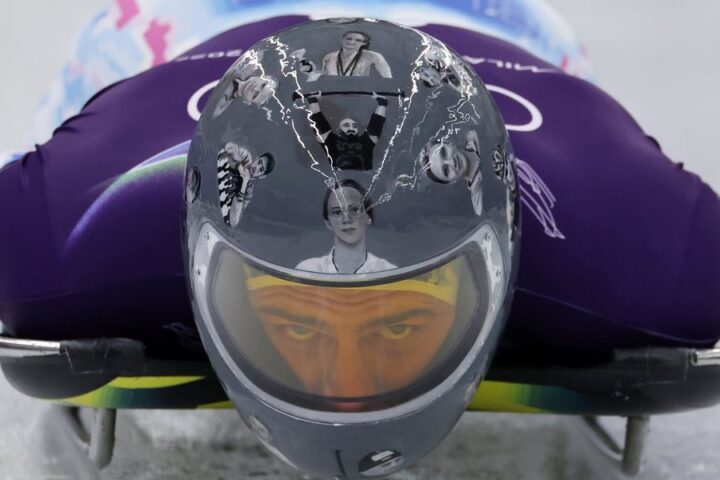
The athlete had worn a “helmet of memory” during training sessions, featuring depictions of Ukrainians who have died since the onset of the full-scale Russian invasion in 2022. His expulsion has ignited an international controversy, prompting Zelensky to express support for Heraskevych and criticize the International Olympic Committee (IOC).
Zelensky issued a statement on social media, stating, “Sport shouldn’t mean amnesia, and the Olympic movement should help stop wars, not play into the hands of aggressors. Unfortunately, the decision of the International Olympic Committee to disqualify Ukrainian skeleton racer Vladyslav Heraskevych says otherwise.” He affirmed Heraskevych’s actions as honorable, indicating that no rules were breached.
Turning his attention to Russia, Zelensky remarked, “It is Russia that constantly violates Olympic principles, using the period of the Olympic Games to wage war.” He referenced previous conflicts, detailing the tragic toll on Ukrainian athletes: “660 Ukrainian athletes and coaches have been killed by Russia since the full-scale invasion began.”
Despite the IOC’s earlier insistence on adhering to regulations prohibiting political expressions within competitions, suggesting that tributes could be made outside the events, they ultimately decided to withdraw Heraskevych’s accreditation. The IOC expressed a desire for him to compete and cited lengthy discussions with the athlete and his team prior to the final announcement.
As the tournament unfolds, the stark contrast between the plight of Ukrainian athletes and the participation of Russian competitors under ‘neutral’ flags serves as a poignant reminder of the complexities that intertwine sport and global politics, illustrating how even in a realm meant for competition, the shadows of conflict loom large.