White House refuses to commit to 2031 Women’s World Cup bid without trans athlete policy
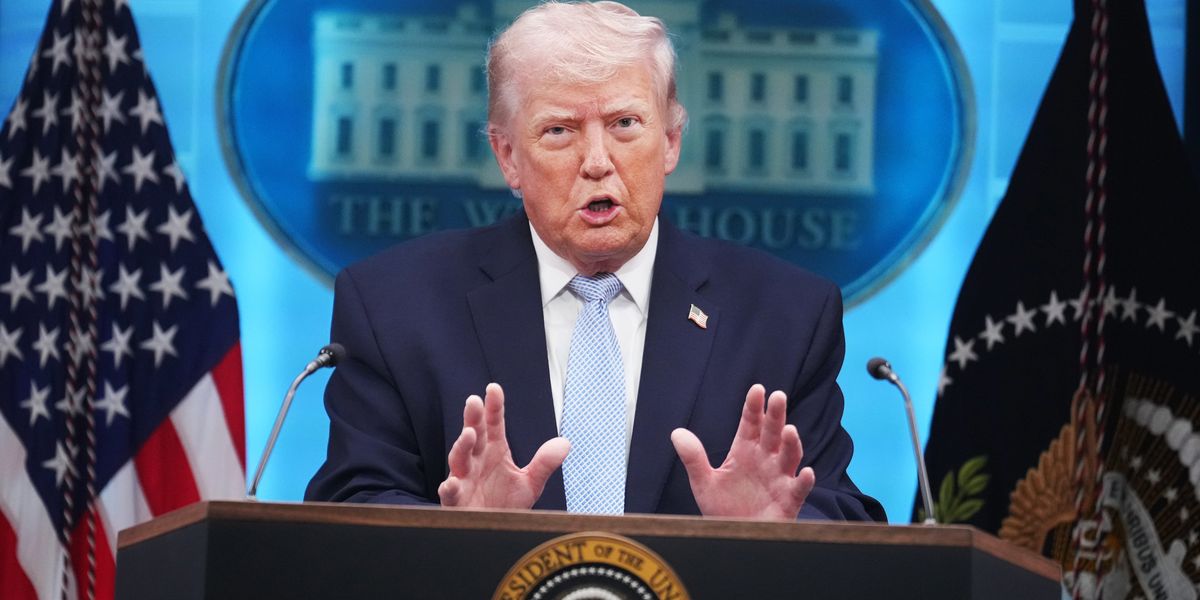
President Donald Trump’s administration is refusing to commit to a United States-led bid to stage the 2031 Women’s World Cup, insisting that FIFA first adopt a policy barring transgender athletes from women’s professional football, reports BritPanorama.
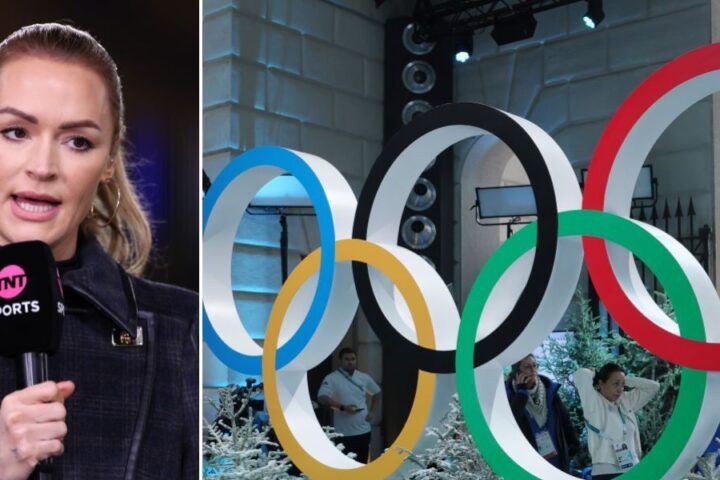
The White House is urging football’s global governing body to align its policy with the International Olympic Committee’s recent stance on the participation of transgender athletes. Trump has yet to approve the required commitments covering visas, tax exemptions, and security arrangements that any World Cup host nation must provide.
These necessary guarantees remain outstanding, despite the bid being officially lodged in October. The joint application involving the United States, Mexico, Costa Rica, and Jamaica was expected to receive FIFA approval at the congress scheduled for April 30, but that meeting has been postponed until later this year. With no competing bids for the 2031 tournament, the Trump administration holds substantial leverage over FIFA.
Andrew Giuliani, executive director of the White House Task Force on the FIFA World Cup, remarked, “President Trump’s leadership has set a new standard for protecting the integrity of women’s sports. His decisive action has codified that it shall be the policy of the United States to oppose male competitive participation in women’s sports more broadly, as a matter of safety, fairness, dignity, and truth.”
The president signed an executive order in February 2025 entitled “Keeping Men Out of Women’s Sports,” prohibiting athletes from participating in women’s competitions unless they were assigned female at birth. FIFA has been reviewing its gender eligibility regulations for nearly four years but has yet to issue updated guidance, still operating under 2011 rules that do not set testosterone thresholds.
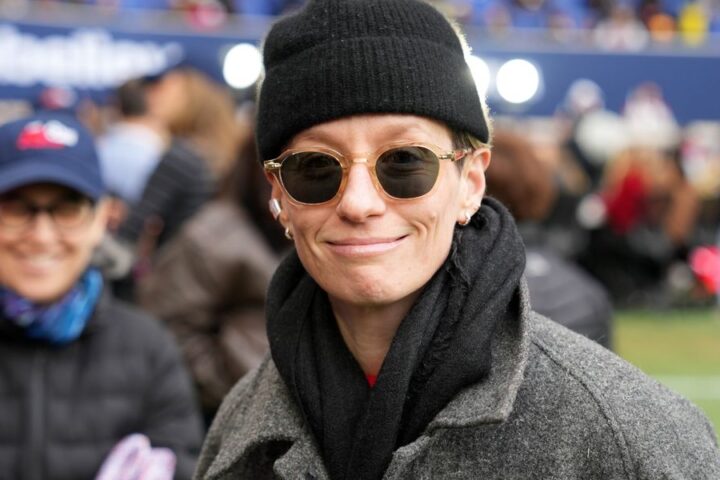
The issue invites division within women’s football. Retired US star Megan Rapinoe has publicly questioned the motivations behind recent discussions on fairness, stating, “Oh, now we care about fairness? Now we care about women’s sports? That’s total bulls*t.”
Public opinion seems to reflect significant support for restrictive measures, with an NBC News poll indicating that 75 percent of American adults oppose allowing transgender women to compete in women’s sports. Similarly, a Pew Research Center survey found that 66 percent favour policies requiring transgender athletes to compete according to their sex assigned at birth.
As the conversation surrounding gender and sports continues to evolve, the unfolding dynamics of the World Cup bid present a robust intersection of policy, sports, and societal values, illustrating the complexity and stakes involved in what it means to ensure fair competition.