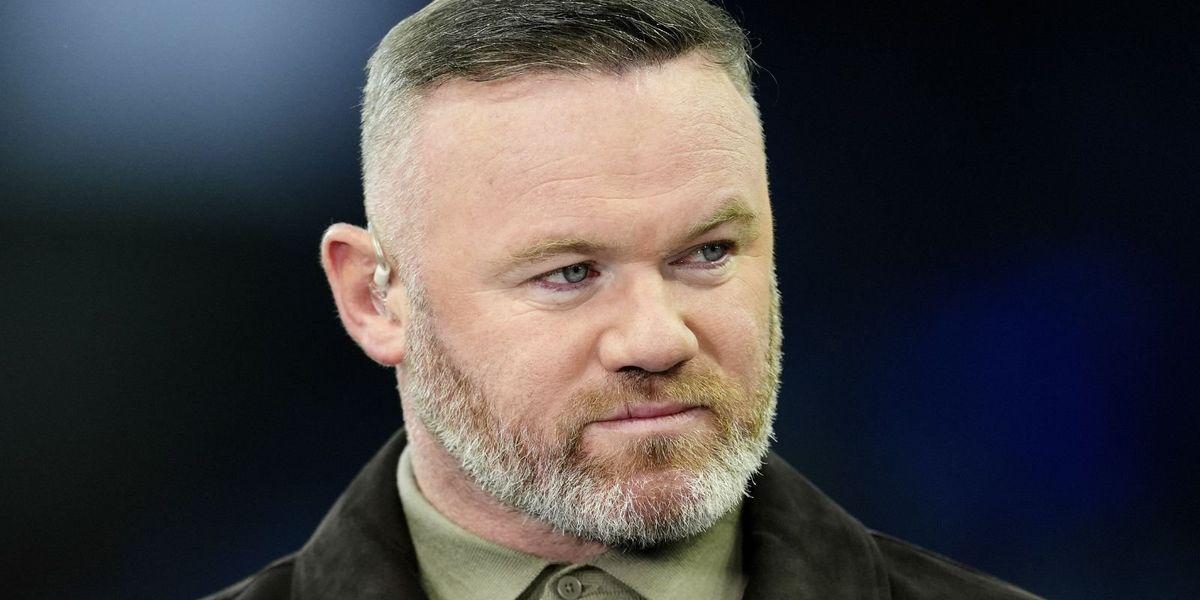
Wayne Rooney secures £800,000 tax rebate from image rights firm liquidation
Wayne Rooney has secured an £800,000 tax rebate after the closure of the company that managed his image rights, marking the latest financial gain in a career long associated with lucrative commercial deals, reports BritPanorama.
The former Manchester United and England captain, now 40, is believed to have already received £22.5 million from the liquidation of the firm and is anticipated to collect a further undisclosed amount once the process is finalized.
The company, established during Rooney’s years at the peak of English football, handled earnings tied to marketing arrangements with major global brands, according to reports. Throughout his career at Old Trafford, Rooney consistently ranked among the Premier League’s highest earners, amassing approximately £300,000 per week in combined wages and commercial payments.
His profile and marketability attracted endorsement deals from companies like Coca-Cola, Nike, and EA Sports, many of which continued after his retirement. Rooney has maintained a visible presence in football through coaching and punditry, and his overall net worth is estimated at nearly £170 million.
Recently, Rooney has been in the public eye for his candid commentary on the roles of players such as Liverpool’s captain Virgil van Dijk and Mohamed Salah. His remarks have drawn attention amid Liverpool’s challenging performance period in October.
This issue resurfaced when Rooney and Van Dijk came face to face during a broadcast following Liverpool’s Champions League win over Real Madrid. Van Dijk responded to Rooney’s earlier criticism, stating, “If you lose five games in a row then it is fair criticism. But I think it’s over the top at times as well.”
Rooney, in response, said, “I’m not saying anything more because I think I spurred them on and put them on a winning streak.” His reflections suggest an awareness of the complexities involved in critique, highlighting how public commentary can stir dialogue among players themselves.
As both figures navigate their post-playing careers in the public eye, their exchanges underscore a broader narrative within football, where criticism from former players can spark discussion on leadership and accountability within teams.
Ultimately, these interactions serve as a reminder of the ongoing relationship between past and present players, and the scrutiny that comes from both within and outside the pitch. In football, as much as in life, the lines between critique and camaraderie remain blurred, reflecting the intricate tapestry of the sport.