UN official praises IOC’s eligibility rules for 2028 Games
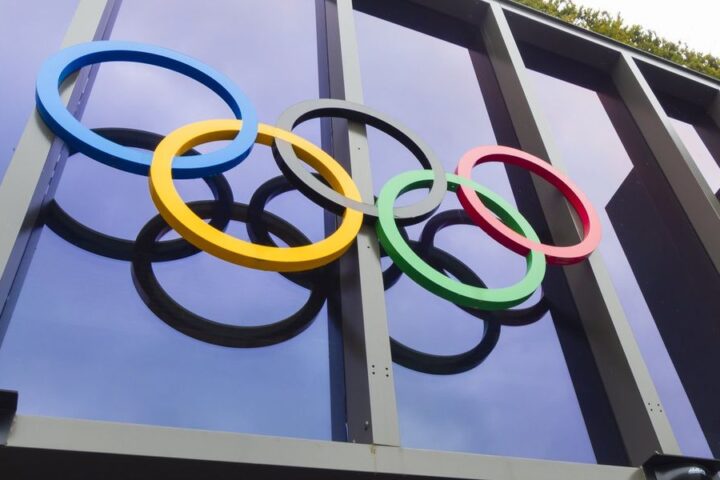
The United Nations’ special rapporteur on violence against women and girls has praised the International Olympic Committee’s newly announced eligibility rules for the 2028 Games as a “common sense” decision, reports BritPanorama.
Under the policy confirmed last week, the IOC will mandate that competitors in women’s categories must have been born female. All athletes must complete a one-time screening process before competing. Reem Alsalem, the UN official responsible for monitoring violence against women globally, expressed her support for the measure, describing it as grounded in scientific evidence and factual reality.
Alsalem stated: “The new policy is rooted in common sense, facts, and science. It restores dignity, fairness and safety for women and girls in Olympic sport.” She characterised the decision as both necessary and proportionate, arguing it aligns with international human rights law and standards designed to safeguard women and girls. The rapporteur emphasised that sporting policies at every level should be developed, monitored and reviewed using evidence-based methods.
Central to her position was the importance of acknowledging what she termed “the material reality of sex” when formulating regulations governing athletic competition. Kirsty Coventry, the IOC president, outlined the scientific basis underpinning the new eligibility framework. The screening process will test for the presence of the SRY gene, which the organisation considers a highly reliable marker of male sex development. Coventry noted: “The scientific evidence is very clear male chromosomes give performance advantages in sports that rely on strength, power or endurance.”
The policy’s implementation will result in the exclusion of most athletes with differences in sex development from women’s events at the Los Angeles Games. This represents a significant shift in how the Olympic movement approaches eligibility questions surrounding biological sex and athletic competition. However, the IOC’s approach has drawn criticism from some quarters of the scientific community.
Alun Williams, professor of sport and exercise genomics at Manchester Metropolitan University’s Institute of Sport, argued that testing all competitors for genetic markers was “not the right approach”. He stated: “There’s no convincing direct evidence that athletes with DSDs have advantages in sport.” Williams warned that the screening process carries substantial ethical and practical difficulties, noting that disclosing unexpected, life-altering genetic information to young athletes could prove devastating for both them and their families. He also pointed out that similar genetic testing programmes were trialled and subsequently abandoned during the 1990s due to concerns over validity, practicality and ethics.
As the debate around fair competition continues, the stakes for athletes grow ever higher — a reminder that the road to equality in sport is fraught with complexities and competing narratives.