Umpiring controversy mars England’s Ashes opener
England’s opening Ashes encounter in Perth was ignited by an umpiring controversy on Saturday when Jamie Smith was adjudged caught behind after a Decision Review System intervention that left supporters, pundits, and former players questioning the use of the technology, reports BritPanorama.
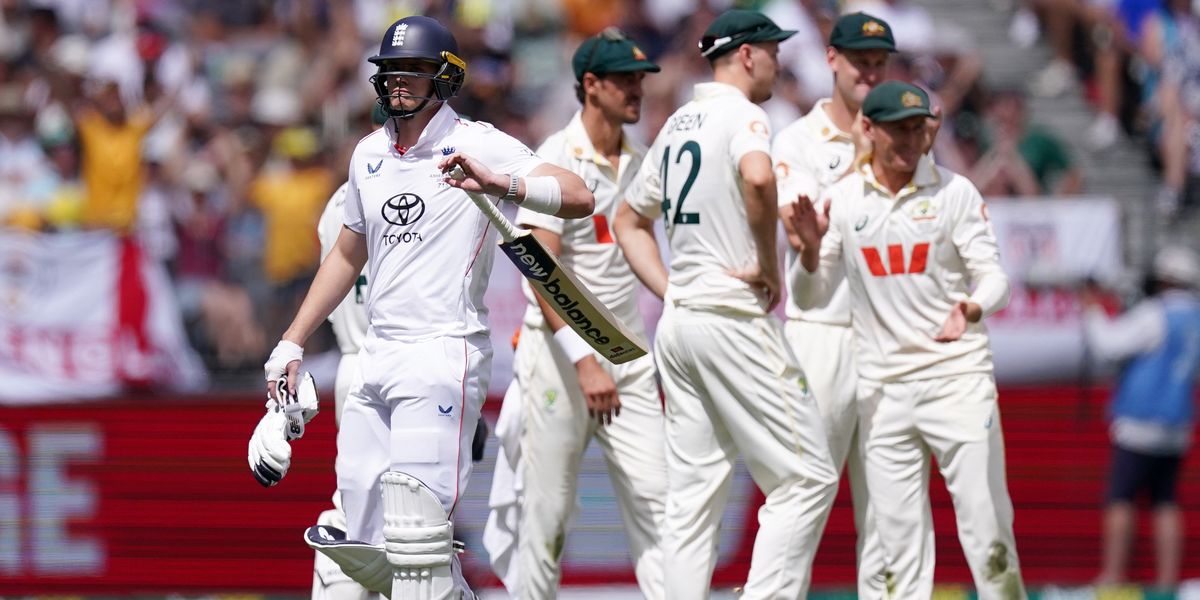
The contentious moment arrived during England’s second innings as the visitors sought to establish a foothold. Smith, attempting to glance a delivery from Australian seamer Brendan Doggett down the leg side, appeared to miss the ball cleanly. However, the Australians appealed for a caught behind decision, convinced the Surrey wicketkeeper-batter had feathered the ball through to the keeper.
On-field umpire Nitin Menon was unmoved, shaking his head and awarding no dismissal. Australia then opted for the DRS review, which should only overturn the original call if the evidence is “conclusive.” What followed was neither swift nor straightforward. The broadcaster’s Real Time Snicko technology detected a spike, but crucially, only after the ball had passed Smith’s bat.
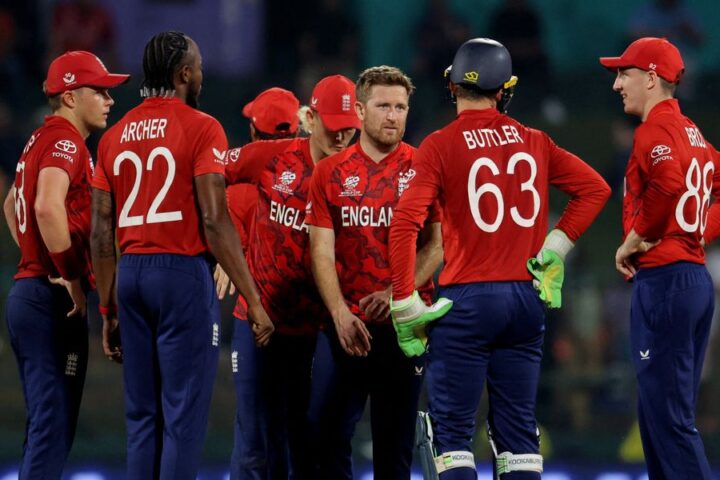
Smith was given out, departing from the action as England’s dressing room wore a collective look of disbelief. The decision immediately triggered debate across social media, with supporters divided on the matter. The laws of cricket stipulate that technology should assist rather than replace the judgement of umpires, and that an on-field decision must stand unless proven beyond doubt to be incorrect.
Critics argued that such a threshold was not met, suggesting that the technology, while valuable, should not be interpreted in isolation. A single Snicko spike — particularly occurring after the ball had passed the bat — should not be weighted above visual evidence. Others pointed out that faint spikes can occasionally occur due to noise unrelated to bat-on-ball contact, such as pad friction or ambient movement.
Meanwhile, England slumped to 164 all out on the second day of action before tea. Mitchell Starc claimed the pivotal wickets of Joe Root and Ben Stokes, who struggled to find form with the bat. Australia now require 205 runs to win the Test, with ample overs remaining.
As the first Ashes Test unfolds, the intricate dance between tradition and technology continues to shape the narrative, reminding fans that the spirit of the game is as much about human judgment as it is about modern innovation. The Ashes, contested for well over a century, continue to be a rich tapestry woven from both chaos and contest.