Ukrainian skeleton athlete denied appeal to compete in Winter Olympics
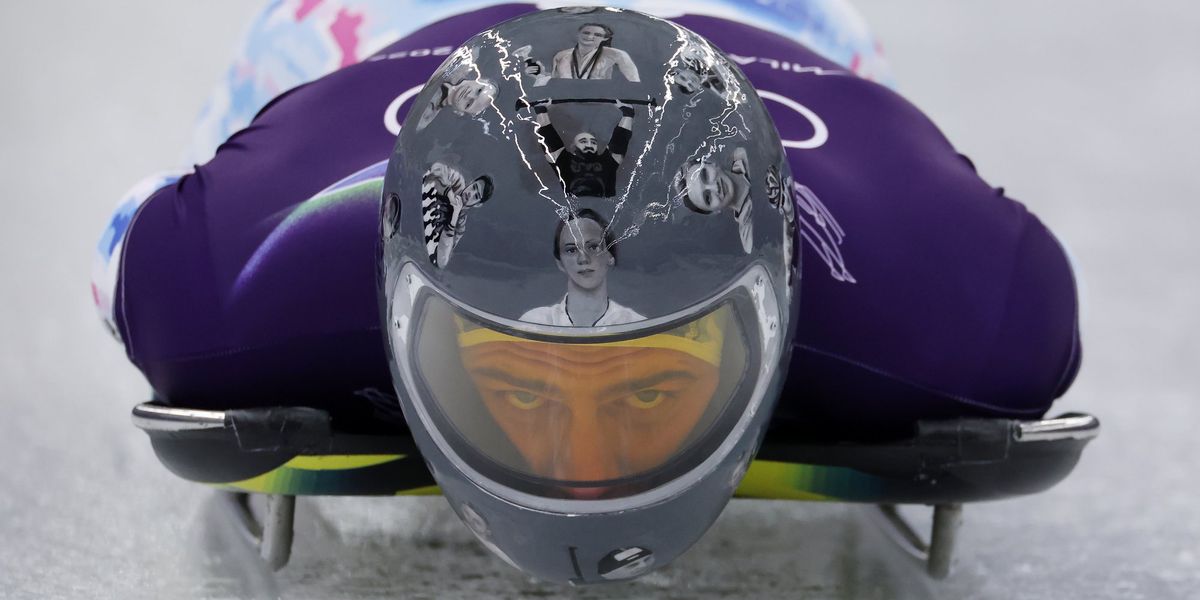
Ukrainian skeleton athlete Vladyslav Heraskevych has been denied his appeal at the Court of Arbitration for Sport, ending his hopes of competing at the Milan Cortina Winter Olympics after he refused to remove a helmet featuring images of more than 20 Ukrainian coaches and athletes killed during Russia’s invasion, reports BritPanorama.
The 26-year-old was barred from competition by the International Olympic Committee (IOC) just before the opening heat of the men’s skeleton event. His disqualification came 45 minutes prior to the competition, effectively blocking him from reaching the official starting line.
Despite the ruling against him, Heraskevych expressed no remorse for his stance. “From Day 1, I told you that I think I’m right,” he stated, wrapped in a Ukrainian flag. “I don’t have any regrets.”
The confrontation with Olympic authorities reached a peak when IOC president Kirsty Coventry visited the sliding track in Cortina, attempting to persuade him to abandon the helmet for competition. The meeting was unsuccessful, as both Heraskevych and his father refused to change course after discussions with Coventry.
Heraskevych had worn the helmet during training sessions earlier in the week, believing it complied with Olympic regulations. The IOC maintained that competition areas remain protected spaces, asserting that “the field of play is sacrosanct” while permitting the helmet’s display in press and interview areas.
The ruling acknowledged that the sole arbitrator had no choice but to uphold IOC policy regarding athlete expressions during competition. The tribunal deemed the restrictions “reasonable and proportionate,” highlighting alternative avenues available for raising awareness, including mixed zones, press conferences, and social media. However, the arbitrator expressed personal sympathies for Heraskevych’s cause, stating she wished to commend him for his commemoration efforts.
Heraskevych’s lawyer, Yevhen Pronin, voiced frustration over the outcome, arguing that the implications went beyond one athlete’s case. “The court sided with the IOC and upheld the decision that an athlete could be disqualified from the Olympic Games without actual misconduct,” he stated, emphasizing issues around athlete freedom of expression and the limits of discretion by sports bodies.
Moreover, Heraskevych questioned why other tributes at the Games had faced no sanctions, pointing to instances such as US figure skater Maxim Naumov displaying a photograph of his deceased parents. He argued that his ban served to bolster Russian propaganda, noting he had observed Russian flags at events despite their prohibition under Olympic rules.
This situation is a reminder of the often contentious intersection of sport and politics, where personal expressions can lead to significant repercussions amid broader geopolitical conflicts.