Ukrainian athlete accuses IOC of betrayal over helmet ban
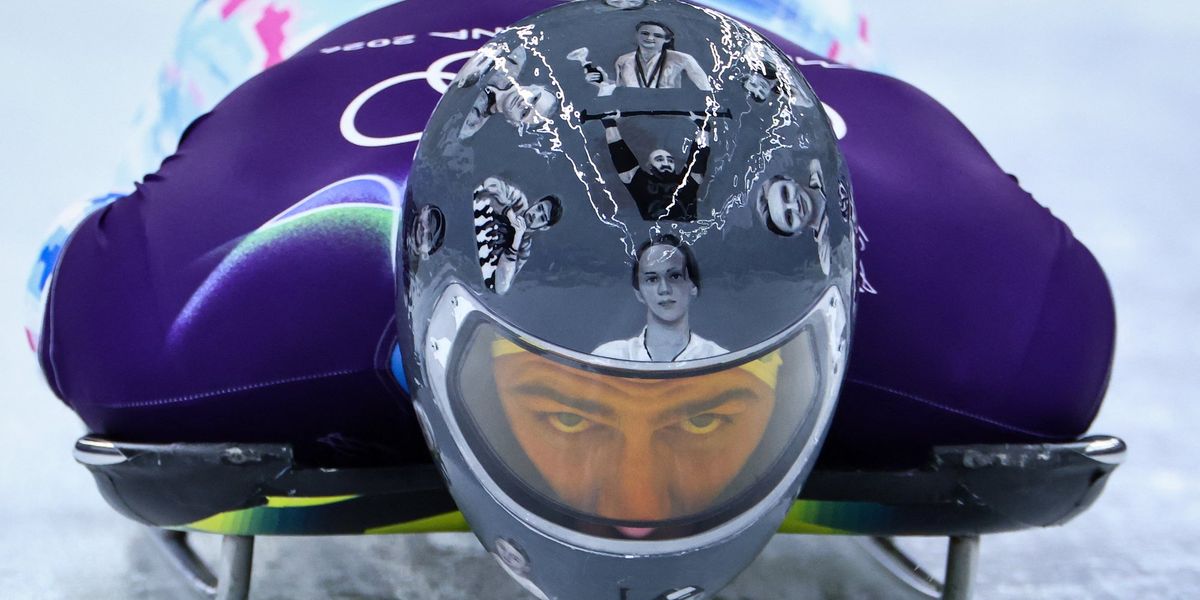
Skeleton athlete Vladyslav Heraskevych, Ukraine’s flag bearer at the Winter Olympics, has accused the International Olympic Committee (IOC) of “betrayal” after the body prohibited his memorial helmet, which honours compatriots killed since Russia’s invasion in 2022, reports BritPanorama.
The 26-year-old wore the tribute helmet during a training session, having carried the Ukrainian flag during last week’s opening ceremony. The helmet displayed images of several athletes and community members who lost their lives due to the ongoing conflict, some of whom were personal friends of Heraskevych.
An IOC official later informed Heraskevych that the helmet was in violation of Games regulations concerning political statements, a decision that he described as heartbreaking on Instagram. “The feeling that the IOC is betraying those athletes who were part of the Olympic movement, not allowing them to be honoured on the sports arena where these athletes will never be able to step again,” he commented.
According to Heraskevych, Olympic officials cited rule 50.2 of the Olympic Charter, which forbids “any kind of demonstration or political, religious or racial propaganda” across all Olympic venues. The IOC has yet to publicly address the controversy.
Heraskevych expressed concerns regarding the IOC’s inconsistent application of its rules, saying, “Despite precedents in modern times and in the past when the IOC allowed such tributes, this time they decided to set special rules just for Ukraine.” In response to the helmet ban, Ukraine has lodged an appeal.
Drawing a stark comparison, Heraskevych pointed out the presence of Russian symbols at the Games, highlighting the IOC’s differing treatment of his tribute versus the tolerance of pro-Russian displays. He referenced a protest during the 2022 Beijing Olympics, where he displayed a “No War In Ukraine” sign without facing any sanctions.
He stated, “Now, at the Olympics, we have already seen a large number of Russian flags in the stands, on the helmet of one of the athletes – and for the IOC, this is not a violation.” His remarks reflect a growing scrutiny of the IOC amid perceptions of a lenient stance towards Russia, as calls for accountability and fairness intensify.
As the Games progress, with 13 Russian and seven Belarusian athletes participating under neutral status, the IOC’s approach continues to raise questions. President Kirsty Coventry has suggested that Russia’s exile from international competition may soon be reconsidered.
The athlete advocacy organisation Global Athlete has condemned the IOC’s leniency towards Russia, stating, “The fact that the IOC is easing restrictions against Russia suggests that even under the new presidency of Kirsty Coventry, it remains influenced by the very political forces it claims to stand apart from.”
Heraskevych’s dedication to commemorating lost peers serves as a poignant reminder of the human cost of conflict and the difficult balance between sport and political sensitivities.