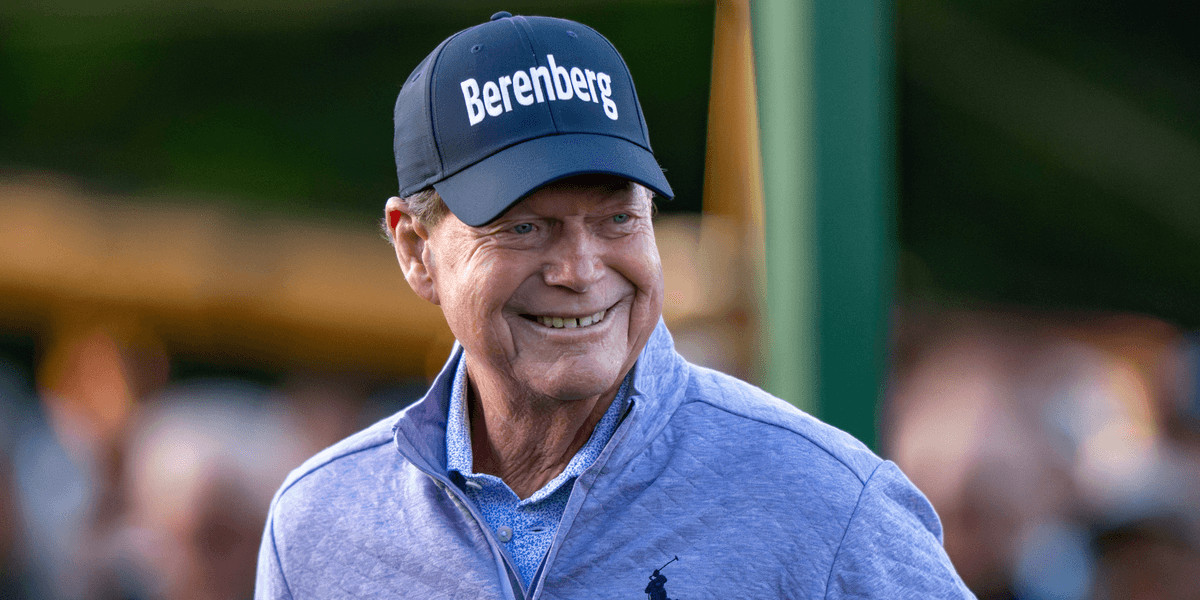
Tom Watson criticizes PGA Tour’s decision on LIV Golf players
Tom Watson has launched a scathing attack on the PGA Tour’s decision to reverse its permanent ban on players who joined the Saudi-backed LIV Golf series, following Brooks Koepka’s return to American golf, reports BritPanorama.
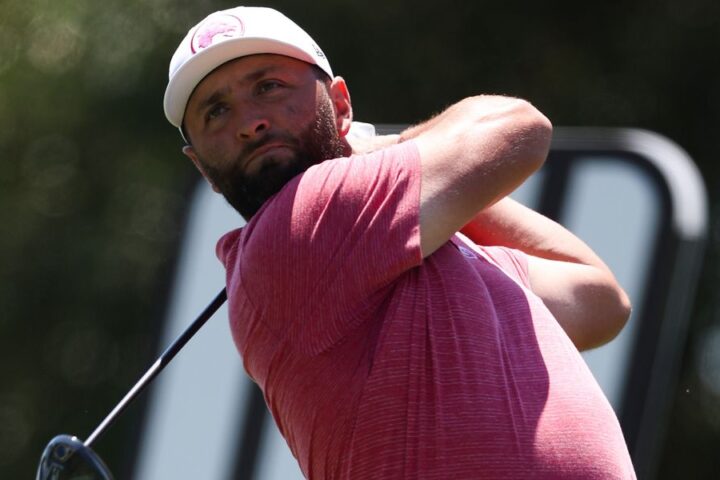
Koepka, a five-time major champion and the highest-profile defector to the breakaway circuit, shocked the sporting world in December by terminating his LIV contract with twelve months still remaining. The 35-year-old’s announcement that he would resume competing full-time in the United States prompted officials to amend their regulations.
To facilitate his comeback, the Tour required Koepka to make a charitable contribution of $5 million (£3.75 million) and stripped him of eligibility for equity bonuses through to 2030. Despite these financial penalties, numerous observers within the sport considered the terms overly generous given the significant damage caused by his original departure to the Saudi-funded league.
Watson made his position clear, arguing that he would not have permitted Koepka’s readmission under any circumstances. He stated, “The Tour made a decision to renege on what they promised when the players left for LIV.” Watson further emphasized, “If I was commissioner, that’s what I would do.”
He suggested that if a player finished their contract with LIV Golf and wanted to return to the PGA Tour, they should first play the second-tier Korn Ferry Tour for a year to qualify. Watson expressed concern over the implications of players returning without restrictions, stating, “When the players left for LIV I think it was basically over. They chose to go for the money, which is fine, but to return to the tour, I thought, was a non-starter, but apparently it’s not.”
The split between the PGA Tour and LIV Golf represents the most significant fracture in professional golf in decades, driven by a battle over money, tradition, and control. Launched in 2022, LIV Golf disrupted the long-dominant PGA Tour by offering massive guaranteed payouts.
As this ongoing saga unfolds, it highlights the complexities of loyalty and financial incentives in professional sports; the lines are blurred, and the consequences are likely to reverberate throughout the golfing landscape for years to come.