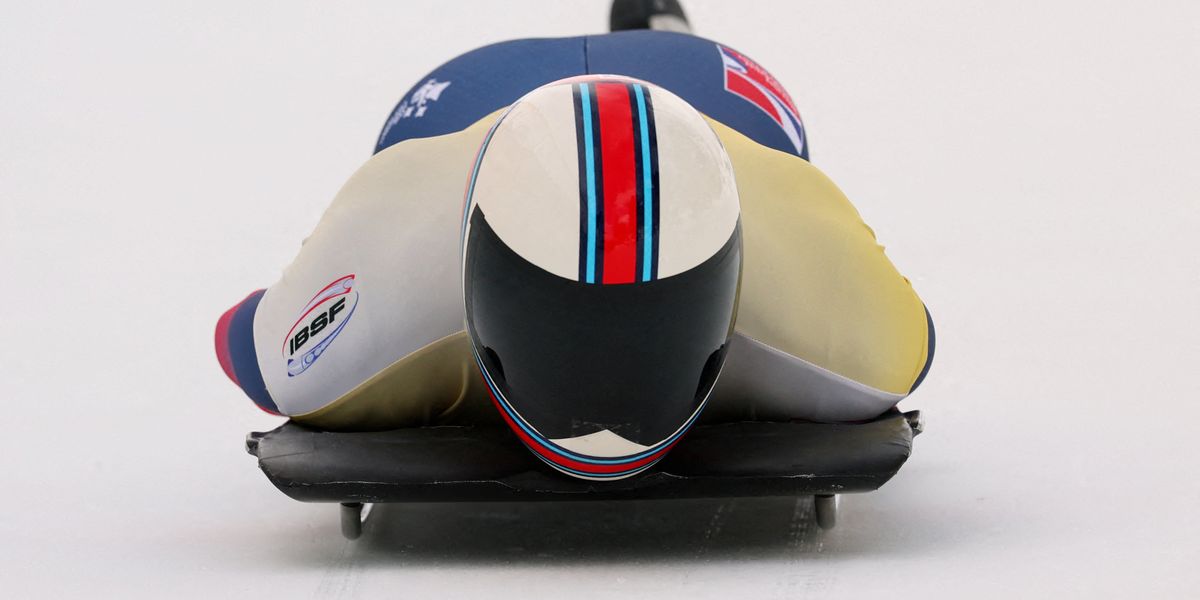
Team GB faces helmet controversy ahead of Winter Olympics
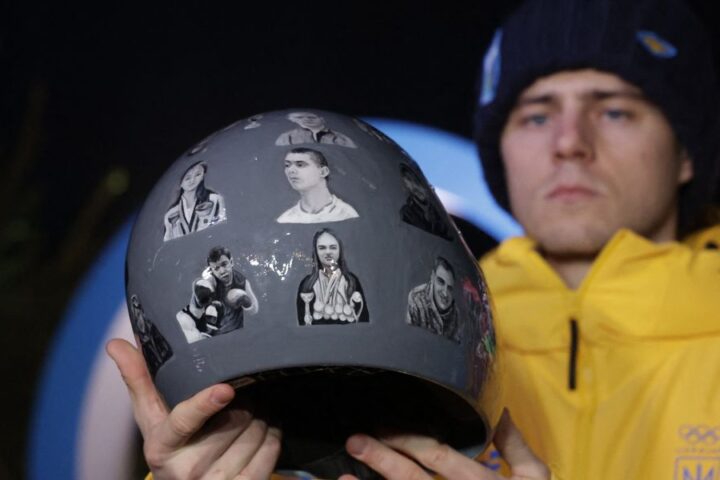
Team GB’s prospects of securing skeleton gold at the Milan-Cortina Winter Olympics have been thrown into serious doubt following a ruling by the sport’s governing body against their specially designed helmets, reports BritPanorama.
The International Bobsleigh and Skeleton Federation determined on January 29 that the British helmets failed to comply with competition regulations due to their shape. This ruling creates significant uncertainty for double world champion Matt Weston, a leading contender for gold in the men’s event, and his teammate Marcus Wyatt, who challenges for the top podium spot.
Both athletes utilize the same equipment, which the British Bobsleigh and Skeleton Association has rushed to defend by submitting an appeal to the Court of Arbitration for Sport on February 2. The governing body asserts that the helmet design adheres to stringent safety standards and is safer than other headgear in use.
CAS’s ad hoc Olympic division confirmed on Wednesday that proceedings would take place the following day, with a verdict expected on Friday, just days before the skeleton competition scheduled for February 12 and 13.
The BBSA has requested that CAS declare the helmet compliant with regulations and safe for use during the Milan-Cortina Games and subsequent IBSF events. Weston and Wyatt have enjoyed a remarkable campaign, winning all seven World Cup races this season, with Weston taking five victories and Wyatt claiming two, reaffirming British dominance in the discipline.
Background on this ruling suggests it may not be the first instance of scrutiny for British skeleton equipment. Performance director Kate Baker acknowledged prior to the Games that British athletes have been utilizing advanced technology, including access to a unique wind tunnel for equipment testing. In past competitions, British innovations have also sparked debate regarding compliance, such as at the PyeongChang 2018 Olympics when custom-made aerodynamic suits were questioned but later deemed legal.
This situation adds to the tension as competitors await clarity on the use of these helmets, notably whether the prohibited design mirrors the equipment that once propelled Team GB to World Cup success or represents a newly introduced variant aimed at optimizing performance. As the competition draws near, the immediacy of the ruling is underscored by the extensive funding of over £5.7 million from UK Sport into the skeleton programme in preparation for these games.
The intersection of sport and stringent regulations has never been more evident. In pursuit of glory, how easily can innovation tread the line between compliance and exclusion?