Bafta Awards spark controversy over Tourette’s syndrome incident
During last night’s Bafta Awards at London’s Royal Festival Hall, the experience of John Davidson, a Tourette’s syndrome campaigner, led to a significant and controversial moment, reports BritPanorama.
Davidson, whose life story inspired the Bafta-nominated film I Swear, exhibited multiple involuntary vocal tics throughout the ceremony, prompting host Alan Cumming to pause the proceedings and address the audience directly.
Cumming explained, “You may have noticed some strong language in the background. This can be part of how Tourette’s syndrome shows up for some people as the film explores that experience. Thanks for your understanding and for helping create a respectful space for everyone.”
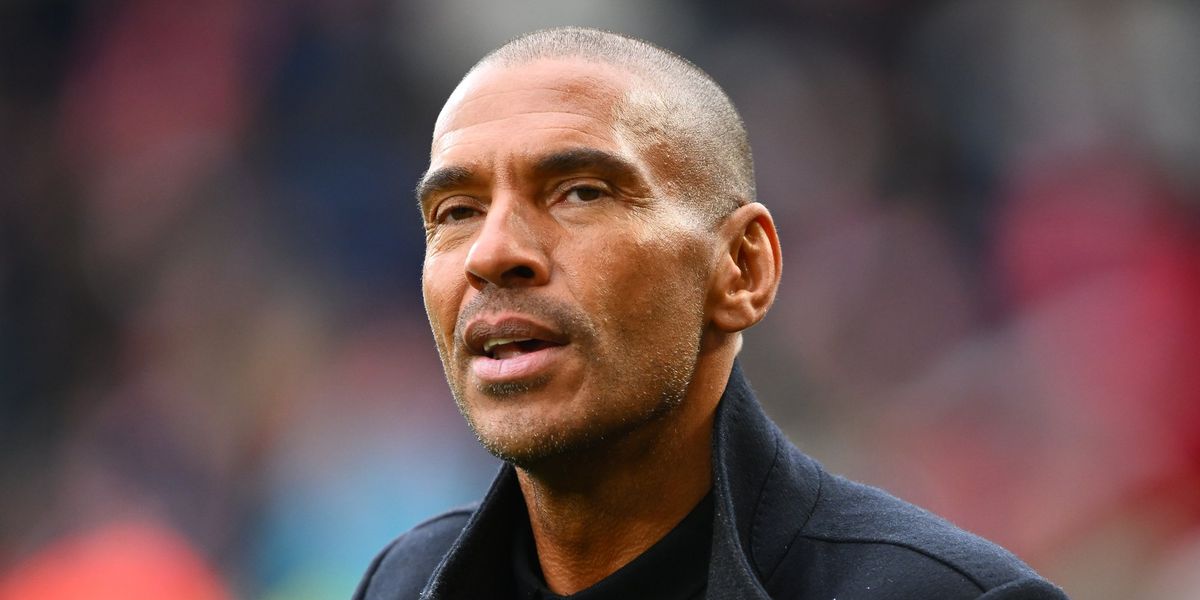
The incident has divided opinions on social media, generating a response from former Premier League striker Stan Collymore. He stated, “It can be both true that a racist slur at a public event causes distress and harm with those on the receiving elaborating their upset, while simultaneously acknowledging the person saying the slur has an involuntary, diagnosed and well understood condition (coprolalia) that is recognised in law by the Disability Act, with those having the condition fully protected by it, rather than being outed by a Twitter mob as a ‘racist in truth letting their true feelings out.'” He added, “Some people need to watch ‘John’s Not Mad.’
Throughout the evening, Davidson’s tics included expletives shouted during Bafta chair Sara Putt’s opening address and during the presentation of the award for Best Children’s Film, which went to Boong.
A particularly notable moment occurred when actors Michael B. Jordan and Delroy Lindo presented the award for Best Visual Effects to Avatar: The Way of Water, wherein Davidson was heard shouting a racial slur. Cumming later clarified that “Tourette’s Syndrome is a disability, and the tics you’ve heard tonight are involuntary, which means the person who has Tourette’s has no control over their language. We apologise if you are offended tonight.”
Public reactions varied, with some social media users supporting Collymore’s stance. One user noted the need to “acknowledge the harm caused by the word, reject labeling someone as morally racist if the utterance was involuntary, and support disability protections without dismissing the impact on others.” Another remarked on the complexity of the situation, saying, “Some really popular black figures are labelling the bloke a closet racist, that is the sort of language which can easily push people over the edge.”
The incident underscores the ongoing conversation around the representation of disabilities and the nuances of involuntary expressions that can intersect with sensitive societal issues. As the debate unfolds, it serves as a reminder of the continual need for understanding and education regarding conditions like Tourette’s syndrome, which many people navigate daily.
At events meant to celebrate achievement, such instances illuminate how the human experience, even in its complexities, invariably draws attention to the need for compassion and awareness.