Sabalekna threatens boycott of Dubai Tennis Championships
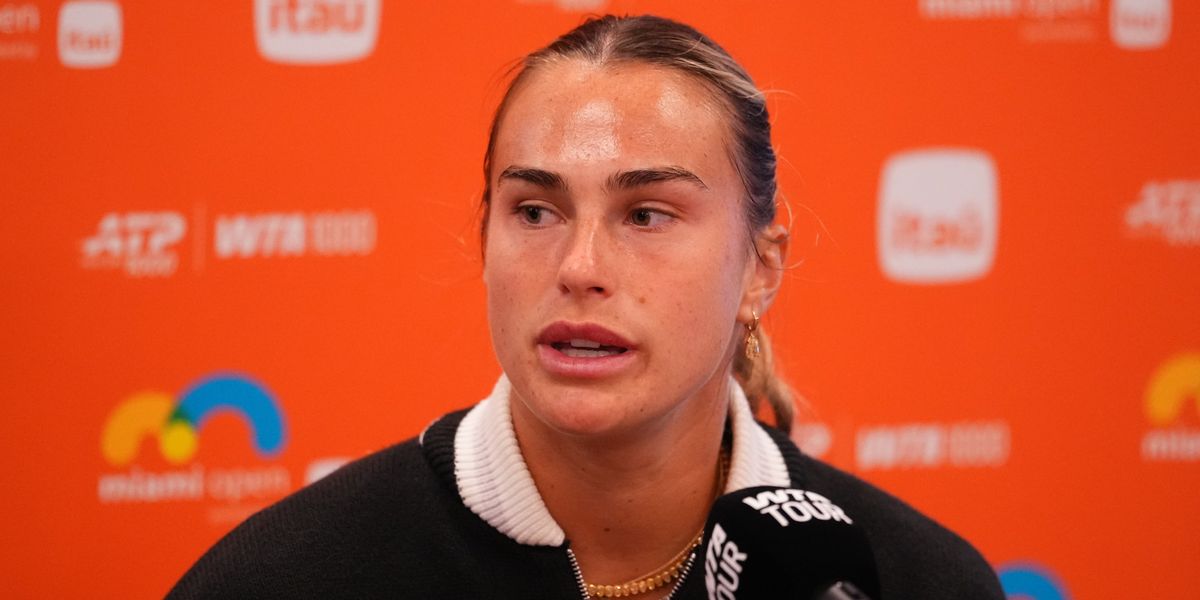
World No 1 Aryna Sabalenka has warned she may never return to the Dubai Tennis Championships following what she described as “ridiculous” remarks from the tournament’s director, reports BritPanorama.
The 27-year-old’s late withdrawal from the event prompted a furious response from tournament director Salah Tahlak, igniting a public exchange between the two. Tahlak had called for stricter penalties against players who withdraw with short notice, a position Sabalenka has openly rejected.
Sabalenka expressed her disappointment, stating, “I’m not sure if I ever want to go there after his comment. For me, it’s too much.” She highlighted her belief that Tahlak’s remarks showed a lack of support for player welfare, further remarking, “It’s ridiculous. I don’t think he showed himself in the best way possible.”
Tahlak argued that current financial penalties for late withdrawals are inadequate and proposed a system that includes docking ranking points. “There should be a harsher punishment on the players,” he asserted, suggesting that monetary fines alone fail to address the issue sufficiently. This proposal could significantly impact players’ standings within the sport.
Sabalenka responded to Tahlak’s stance by accusing tournament organisers of prioritising commercial interests over athlete wellbeing. She stated, “They just care about their sales, about their tournament and that’s it,” indicating a sense of frustration towards the management’s perceived neglect of player concerns.
The Belarusian player clarified that her withdrawal was part of a strategy to manage her fitness during a demanding schedule, prioritising her health to better prepare for larger tournaments. “Going into this season, we decided we were going to prioritise my health and make sure that we have these little gaps in the schedule where I can just reset, recharge, work and be better prepared for bigger tournaments,” she explained.
Furthermore, Sabalenka pointed out broader issues within the WTA calendar, noting the prevalence of injuries among players due to an overcrowded schedule. “Scheduling is going crazy and that’s why you see so many players are injured, always taped and not delivering the best quality matches because it’s almost impossible,” she added.
As tensions rise over player management and tournament regulations, the dynamics between athletes and event organisers appear increasingly fraught, illustrating the ongoing challenges of balancing competitive success with player welfare in professional tennis.
In a sport where the line between business and athletic responsibility blurs, Sabalenka’s outspokenness serves as a reminder that while the game continues to evolve, the voices of its players resonate louder than ever. How this conflict will shape future engagements remains to be seen, but it undoubtedly underlines the complexities at play in today’s competitive landscape.