Ruben Amorim criticises young players for ‘entitled’ attitude
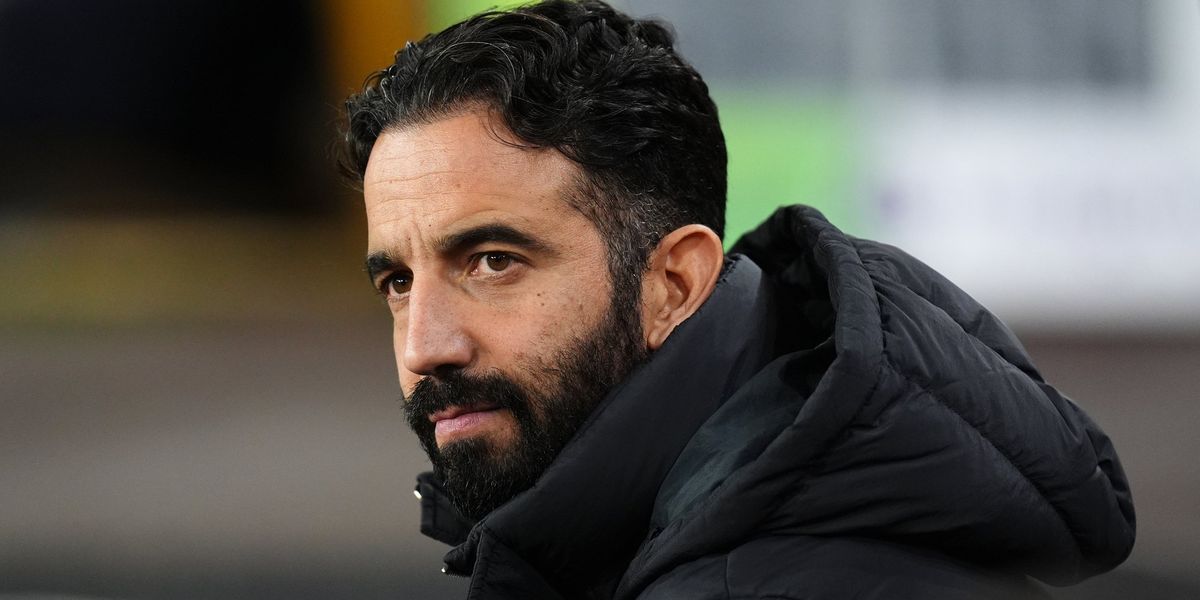
Manchester United manager Ruben Amorim has launched a stinging rebuke of young players Harry Amass and Chido Obi, accusing them of displaying an “entitled” attitude after they responded to his criticism via social media, reports BritPanorama.
The Portuguese boss expressed frustration that both 18-year-olds opted to post images on Instagram instead of addressing their concerns with him directly.
Amorim suggested their behaviour exemplifies a deeper malaise within the Old Trafford setup. “I think it is the feeling of entitlement that we have in our club,” he stated during a press conference ahead of United’s trip to Aston Villa.
He made clear that his door remains open for dialogue, yet neither player has sought a conversation. The row stems from remarks Amorim made last week concerning his use of academy talent.
He pointed to Amass, currently on loan at Sheffield Wednesday, as someone finding life difficult at the foot of the Championship table. The manager also noted that Obi was not a regular starter for United’s Under-21 side.
Both teenagers took exception to these observations. When the quotes surfaced on Monday, Amass uploaded a photograph of himself clutching Sheffield Wednesday’s Player of the Month trophy, while Obi shared an image celebrating a goal for the youth team. Both posts were subsequently removed from their accounts.
Amorim elaborated on what he perceives as a troubling pattern at the club, saying, “They feel free to respond to the manager with a picture, my office is open, nobody is coming to talk to me. And that is the way we can solve things.”
The 39-year-old acknowledged his own shortcomings on the pitch but defended his conduct off it. “Sometimes I’m the first one to say that I’m failing this club inside the pitch, I have that feeling we are not performing the way we should be but outside the pitch, I guarantee you I’m not failing to this club.”
He added that players sometimes forget the significance of representing Manchester United and that the institution itself occasionally loses sight of its identity. Amorim stood by his original assessment, insisting he had not overstepped the mark.
“I just spoke about how the luck of playing for Manchester United,” he remarked. He stressed the need for a transformation within the club’s culture: “I think we need to change first as a club and then everything is going to change.”
Amorim also pushed back against former United stars who have advised players to seek moves elsewhere if overlooked, stating, “Let’s stay, let’s fight, let’s overcome, maybe the manager is wrong.”
This episode reflects ongoing tensions within Manchester United as it grapples with expectations of success while nurturing young talent. In a club where history looms large, the challenge lies in balancing ambition and accountability. The discourse surrounding entitlement serves as a timely reminder that character development remains as crucial as skill acquisition in nurturing the next generation of footballers.