Red Bull wingsuit athletes achieve world-first crossing
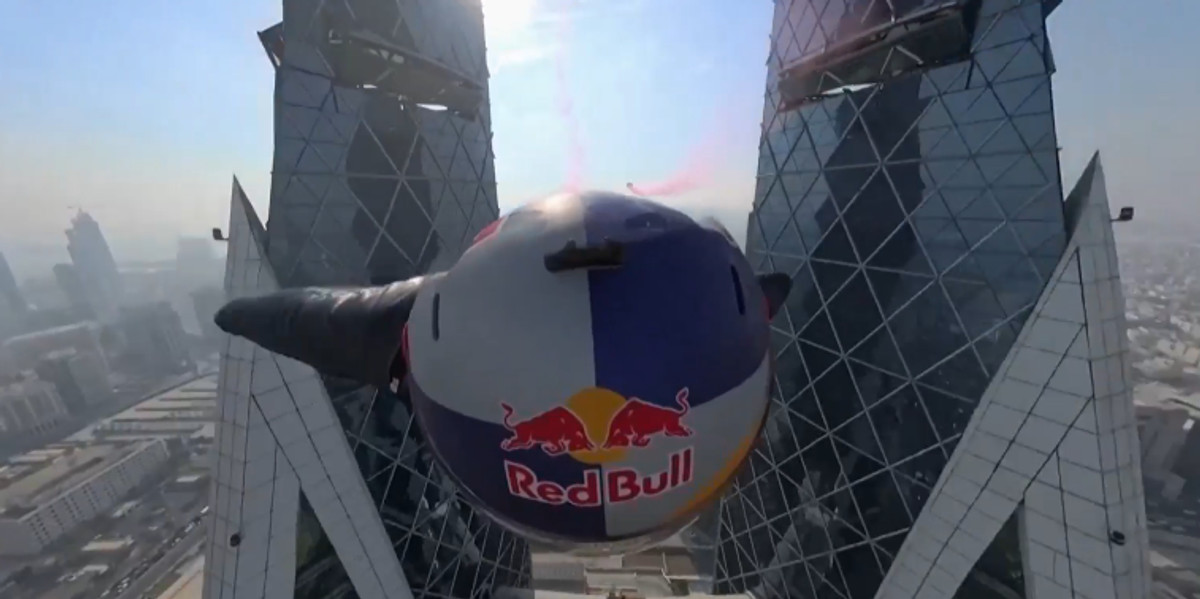
Two Red Bull wingsuit athletes have accomplished a world-first by executing a synchronised head-on crossing between the twin towers of Bahrain World Trade Centre, reports BritPanorama.
Dani Román and Fred Fugen launched themselves from a Black Hawk helicopter at 4,000 feet above Manama, each descending at 135mph before converging at a combined velocity of 273mph. The pair passed through the gap at precisely the same moment, separated by a mere 10 metres, equivalent to covering more than 120 metres every second.
Their flight path took them 40 metres above the building’s distinctive wind turbines as they approached from opposite directions in a carefully choreographed manoeuvre. Filmed last month in the Bahraini capital, the feat followed two years of intensive preparation and more than 35 training jumps.
The project concept emerged during a 2022 trip to Bahrain when Román and Fugen first laid eyes on the iconic twin towers and recognised their potential for synchronised flight. Following this, they engaged in an exhaustive two-year planning process, which included permit applications, simulation work, and thorough training.
Fugen, a French three-time world freeflying champion, expressed his excitement, stating: “For the past two years, we’ve been dreaming of crossing this building in synchronised flight.” The challenge lay not just in navigating the corridor between the towers but in ensuring both athletes arrived at the midpoint simultaneously.
The two athletes began their preparation in France, completing over 35 practice jumps using a stationary drone positioned at 200 metres to replicate the crossing point and establish consistent reference lines. GPS data from these sessions was subsequently mapped onto the Bahrain World Trade Center structure, complemented by training in the Bahraini desert to adapt to local conditions alongside their helicopter crew.
Without any digital instruments or live flight data, Román and Fugen relied entirely on visual cues and physical sensation to synchronise their speed and timing. Román remarked, “We don’t carry GPS systems or receive any aircraft-related information, so the only way to gauge speed is through the sensations in our bodies.” The project received substantial backing from the Bahrain Tourism and Exhibitions Authority, which helped secure permits and coordinated logistics.
The success of this feat reflects the athletes’ deep connection formed through their years of collaboration. Fugen noted, “We spend far more time together on the ground than in the sky, so it’s crucial that our communication is excellent. It’s a matter of friendship and having fun together.” This historic achievement underscores not only the technical prowess required but also the interpersonal bonds that can elevate human endeavour to extraordinary heights.
It’s a stunning reminder of the heights that ambition and precision can achieve, both literally and figuratively. In a sport where the margin for error is razor-thin, this feat stands as a testament to years of dedication and craftsmanship.