Premier League faces resistance over centralised advertising proposal
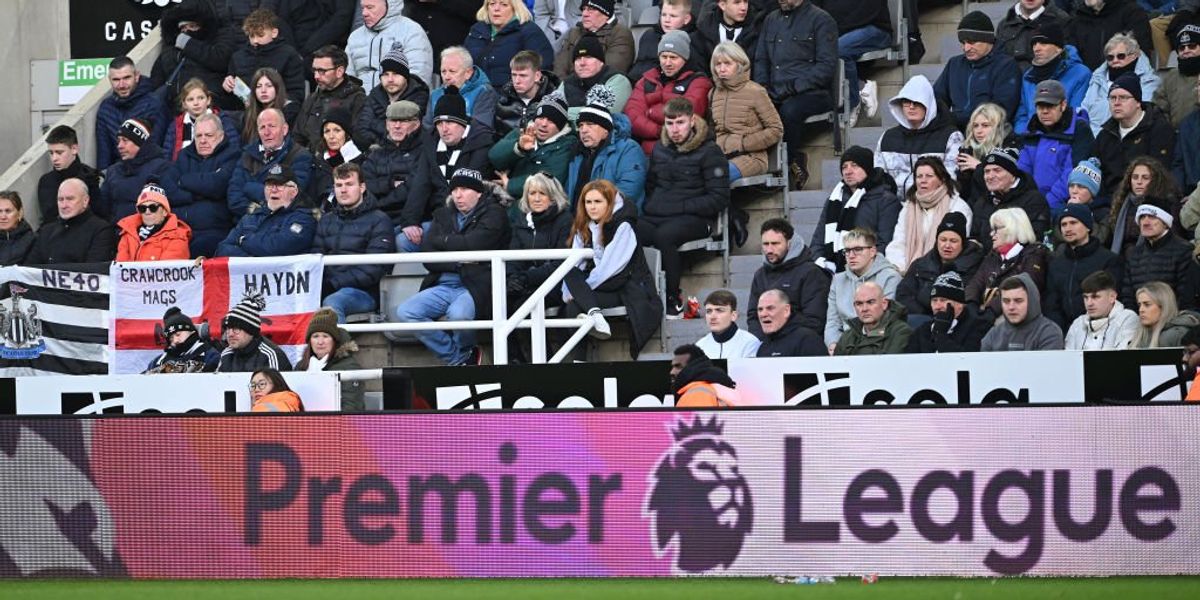
The Premier League’s ambitious plan to take control of perimeter advertising sales across all clubs has encountered significant resistance from the competition’s wealthiest sides, reports BritPanorama.
During a shareholder meeting, league officials presented the proposal, projecting it could generate an additional £750 million in annual revenue. The initiative aims to centralise advertising deals, similar to practices seen in American sports leagues, moving away from individual clubs negotiating their own arrangements.
However, clubs such as Manchester United and Manchester City, along with others in the so-called Big Six, have expressed substantial concerns regarding this fundamental shift in policy. Their reservations suggest a preference for maintaining individual control over advertising negotiations.
Under the proposed framework, 60 per cent of pitch-side advertising would be sold through the league, as opposed to individual clubs’ efforts. The number of commercial partners would also increase from the current seven to ten, with revenue to be distributed among all 20 top-flight clubs based on various factors.
Currently, teams are allocated five minutes of advertising space on electronic boards during matches, with three minutes reserved for television broadcasters. Sources indicate that while Manchester United remains open to conversations, it is sceptical about whether centralisation would benefit itself or the league as a whole, a sentiment shared by Manchester City.
The Big Six clubs, which also include Arsenal, Chelsea, Liverpool, and Tottenham, declined to comment on the proposal. Some executives within the league have highlighted potential conflicts with existing sponsorship arrangements, such as having a league-wide automotive partner that could interfere with individual club deals in the same sector.
For clubs with smaller commercial operations, however, the scheme might offer a valuable opportunity to tap into revenue streams that are otherwise inaccessible, potentially levelling the playing field when competing against larger rivals.
The resistance from Premier League’s elite seems to be a continuation of the friction seen in previous negotiations. United and City previously united to block spending restrictions, known as anchoring, which aimed to cap wages relative to the bottom-placed club’s payroll. That effort was ultimately defeated, showcasing the ongoing complexity of governance in the Premier League.
As the landscape of football financing continues to evolve, the balance between collective benefit and individual club autonomy remains a contentious issue, reflecting not just economic interests, but also the shifting power dynamics within the world’s richest league.