Female pool player prepares legal action against governing body
A leading female pool player is preparing legal action against the Ultimate Pool Group (UPG) after being barred from its events for wearing a body camera, a move she says has left her unable to compete or even watch her 11-year-old son play, reports BritPanorama.
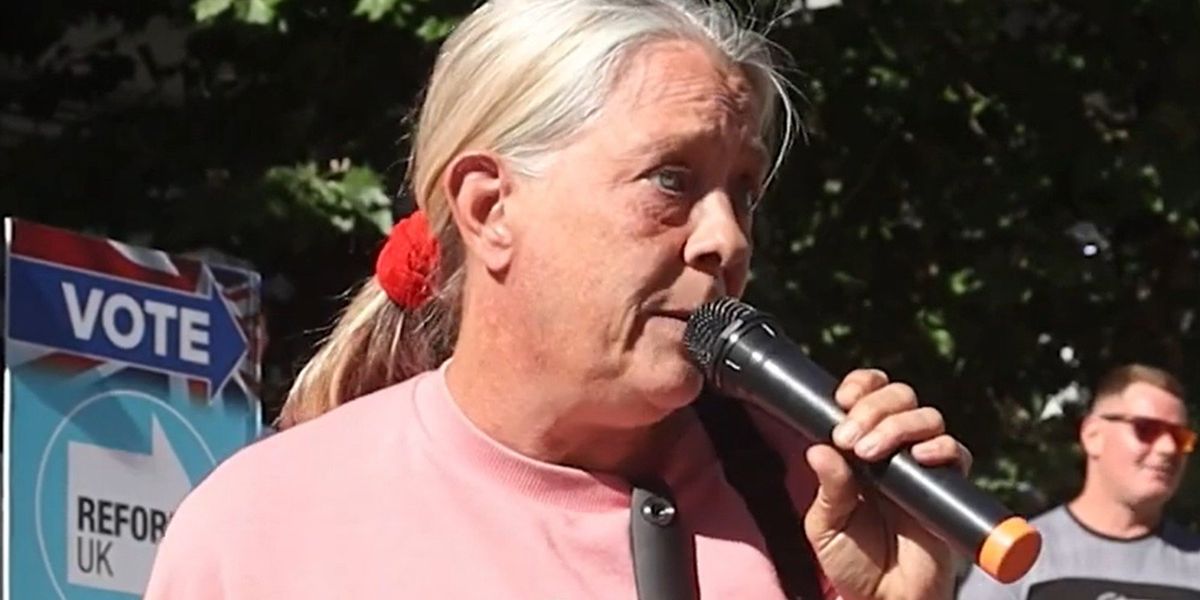
Lynne Pinches, 52, argues that she initiated the use of the camera for personal safety after becoming a prominent critic of transgender inclusion in women’s competitions, a stance that has led to online abuse and threats against her.
Pinches, a long-standing tournament player and former champion, described the ban as “closing” any realistic path to turning professional, claiming her exclusion has left her standing outside venues while her son competes. Her lawyers say that proceedings are being prepared, characterising her situation as “Kafkaesque”.
She has been a vocal opponent of allowing transgender women to compete in the female category, arguing that biological differences confer an unfair advantage. In 2023, she participated in legal action alongside a group of 30 players against the International Eightball Pool Federation and UPG concerning eligibility policies.
The origins of her ban trace back to an April incident at a UPG event in Wigan, where security staff ordered her to remove the body camera, alleging she was filming without permission. Pinches insisted the device was worn strictly for her protection.
“I had a bodycam on because I had been assaulted in Norwich with a bottle of water hurled at my back at a Let Women Speak event,” she told The Times, recounting the backlash she faced following her public stance. “I’ve received a barrage of hostile messages since opposing transgender inclusion in women’s tournaments.”
After leaving the venue following the incident, Pinches found herself outside, in tears, as she could not enter to support her son. UPG subsequently declared that only biological women would be eligible for the female category, citing a Supreme Court ruling that defined “woman” based on biological sex. While this regulation was seen as a victory by Pinches and her supporters, UPG disputes any connection between the rule change and her activism.
In June, Pinches received a cautionary letter from a senior UPG director regarding her ejection for filming without permission. The letter warned that her ban would become permanent if she repeated the offense or made derogatory comments about the organisation, although it indicated that the restriction could be reviewed if she accepted fault.
Pinches expressed frustration over the situation, stating, “I feel like they’re now taking away the last two or three years I am able to play. Ultimate Pool is the only route to being a professional. It feels like I’m being bullied.”
Her lawyer, Peter Daly of Doyle Clayton, contends that her penalty is linked to her campaigning, labelling the situation as unlawful and confirming their intention to pursue litigation. UPG, however, strongly denies any connection between Pinches’ activism and her exclusion, asserting that eligibility rules were based on a recent Supreme Court decision and expert reports, asserting there is “absolutely no causal link” between the changes and the issues she raises.
This case highlights the complex interplay between sports, gender identity, and evolving societal norms — issues that continue to challenge governing bodies and provoke widespread debate.