One match on Boxing Day marks a shift in football tradition
On Monday, reports emerged that there will be just one match on Boxing Day this year, a decision that has drawn disappointment from many football fans in the UK who traditionally look forward to a full slate of fixtures on this festive day, reports BritPanorama.
This reduced schedule is attributed to the increasing demands of football’s crowded calendar. Players like Raphael Varane and Rodri have expressed concerns over the intensity of their fixture schedules and the impact it has on their performance and well-being.
The plight of players amid this busy schedule is notable. While frequently criticized as pampered athletes, many are deeply passionate about the sport and strive to maintain high standards. However, the relentless nature of modern football leaves them feeling overextended. The financial implications of broadcasting rights mean that the demand for matches often outweighs player welfare.
The changes to Boxing Day fixtures aren’t isolated incidents. The expansion of the Champions League has resulted in a substantial increase in games, from 125 to 189, requiring teams to play a minimum of eight matches, consequently placing more strain on players.
Critics of the current footballing landscape point to decisions made post-2021 Super League proposals as further contributing to a congested schedule. UEFA’s tournament revamp underscores a relentless push for financial gain that seemingly prioritizes profit over tradition and player health.
In 2023, Varane made headlines by quitting the France national team, citing the overwhelming pressure of constant play: “The very highest level is like a washing machine. You play all the time and you never stop. Right now, I feel like I’m suffocating and that the player is gobbling up the man.”
Rodri echoed similar sentiments when discussing the potential for players to go on strike, suggesting that the pressure to perform is teetering on the edge of unsustainability.
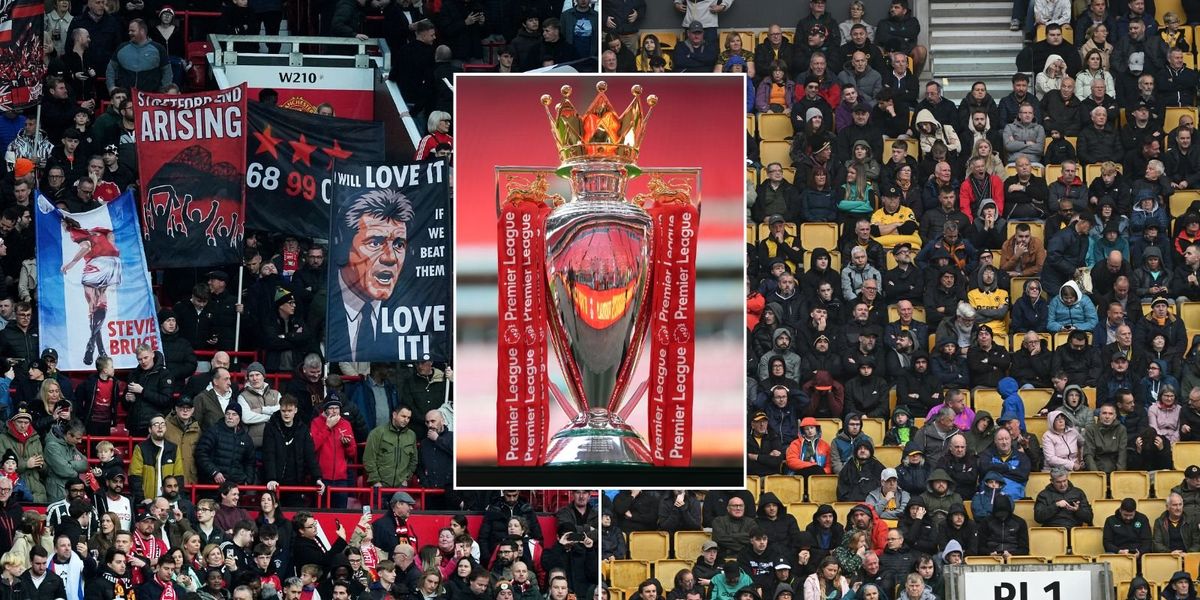
This year’s Boxing Day matches being limited to just one fixture has been met with frustration from supporters, who already face challenges such as high ticket prices and limited viewing options during traditional 3 pm matches. The move to reduce the number of fixtures is seen as part of a troubling trend in a sport that has increasingly prioritized commercial interests over fan experience.
Moreover, the decision means that fixtures will instead be spread over the weekend and into Monday, likely pleasing broadcasters who stand to profit from extended viewing opportunities. As evidenced by the way football has evolved in recent years, a single match on a day once dominated by football feels like a reduction of the sport’s festive spirit.
Official announcements surrounding the Boxing Day fixtures have yet to be released, which leaves room for fan-led protests to potentially influence decisions. The refusal to allow supporters to engage robustly with the sport they love may lead to reactions strong enough to provoke a re-evaluation, just as they did during the failed Super League proposal.
This latest turn in football’s narrative underscores the complications of balancing tradition with commerciality, sometimes at the expense of the very people who keep the sport alive: the fans.
As players continue to raise their voices amid a busy schedule and financial pressures mount, it’s a reminder of how far the game has strayed from its roots, leaving supporters and players alike wondering where the beautiful game truly stands.