Nigel Farage offered visit to Sunderland home game
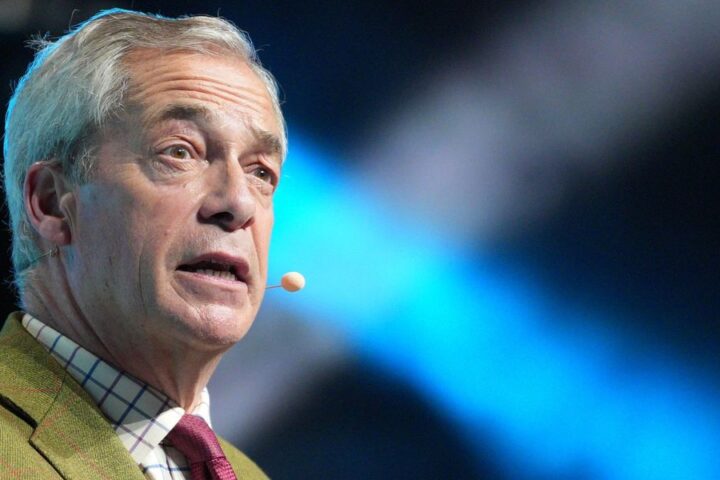
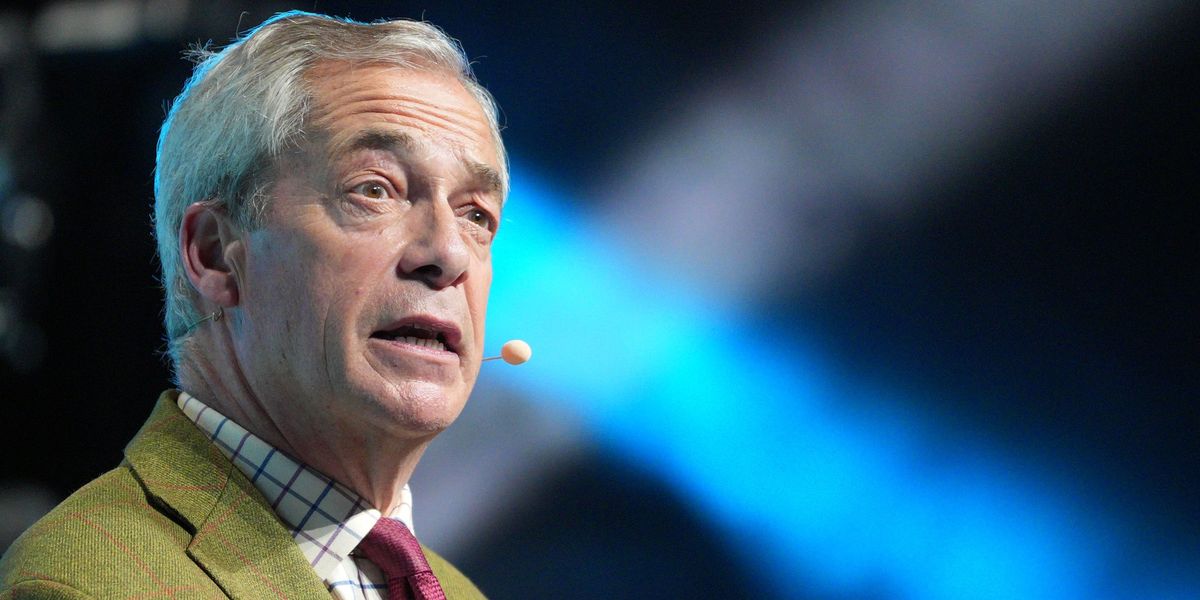
Reform UK leader Nigel Farage has received an invitation to attend a Sunderland home game at the Stadium of Light, with reports indicating that the offer was extended by club director Juan Sartori, reports BritPanorama.
This potential visit follows Farage’s recent trip to Ipswich Town’s Portman Road, which has attracted significant criticism. At Ipswich, he took the opportunity to film content and pose for photographs across several areas of the stadium ahead of a political rally, which took place later that day. The club issued a statement asserting its apolitical stance, declaring it does not endorse any individual or party.
Farage expressed gratitude for the “lovely welcome” he received during his visit, which entailed a tour of the ground including the dressing room and media areas. However, backlash ensued from supporters who disapproved of his presence at the club.
Despite the criticism, Farage remains undeterred and is actively seeking similar engagements with other football teams. While in Sunderland, he announced his intentions to watch the Black Cats before the end of the current season. “I am hoping to go to a home game there at some point before the end of the season,” he told ITV News.
Farage indicated that he has been in discussions with Sunderland’s directors, highlighting that the newly established Independent Football Regulator should prompt English clubs to engage with political leaders. “Football clubs should want to talk to me,” he asserted.
His focus on football governance, particularly in light of the government’s forthcoming football regulatory framework, underscores his intent to address the intersection of politics and sports. Farage aims to encourage clubs to maintain open dialogues with representatives of national political parties, a stance he articulated during his remarks in Ipswich. This perspective underscores an ongoing dialogue about the role of government in English football.
As Farage navigates this political and sporting landscape, the expected visit to Sunderland is emblematic of the blurred lines between politics and sport, reflecting both the opportunities and challenges that come with such public engagements.
In a landscape where football is increasingly influenced by political discourse, Farage’s planned attendance at Sunderland’s match may just serve as a reminder of how intertwined these two worlds can be, more than just games; they are stages for broader societal conversations.