Saudi Arabia’s Public Investment Fund denies Newcastle United sale
Saudi Arabia’s Public Investment Fund has firmly rejected suggestions that Newcastle United is on the market, dismissing speculation of a £1 billion sale as unfounded, reports BritPanorama.
The claims originated from beIN Sports presenter Richard Keys, who wrote in a blog post that the Saudi owners were actively seeking buyers for the Tyneside club. Keys suggested that while interested parties exist, the realistic asking price is closer to £500 million than the reported figure.
However, the PIF has made it clear that there is no desire to relinquish their stake in Newcastle, categorically dismissing any talk of a sale. Since acquiring the club in 2021 for £305 million, the Saudi sovereign wealth fund has maintained an 80 per cent majority stake, alongside PCP Capital Partners and the Reuben Brothers, each holding a 10 per cent share.
Under PIF’s stewardship, the club has experienced significant investment aimed at strengthening the playing squad. This strategy has borne fruit, notably with Newcastle’s return to elite European competition, highlighting the progress the club has made in recent seasons.
Newcastle’s campaign in the Champions League serves as a notable achievement for the ownership era, reflecting the ambitions of the Saudi fund. The focus now lies on building upon these foundations rather than contemplating any exit from the project, as the owners aim to enhance their position further.
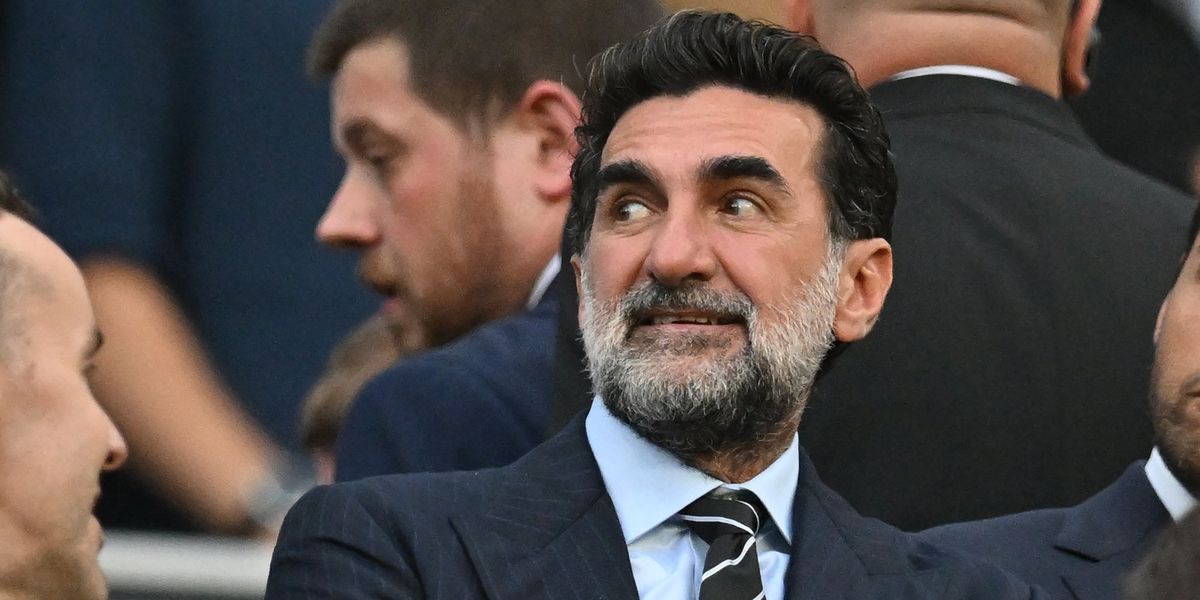
While some of PIF’s senior representatives have been absent from St James’ Park recently, communication between Riyadh and the club’s leadership remains constant. Chairman Yasir Al-Rumayyan was last seen at a match during the Champions League encounter with Paris Saint-Germain in January, demonstrating ongoing engagement.
Despite the geographical distance, daily dialogue persists between the Saudi owners and Newcastle’s board. Chiefs David Hopkinson and Ross Wilson have been permitted to manage operations autonomously, suggesting a level of trust in the club’s executive team rather than a diminishing interest in their investment.
Looking ahead, plans for a new training ground are anticipated, with £1 million set aside for facility upgrades at St James’ Park this summer. Hopkinson, who became chief executive in September last year, has set ambitious targets for the club’s growth, envisioning Newcastle among the top clubs globally by 2030. “By 2030, I see this club being in the debate about being the top club in the world,” he stated, emphasizing the need for clarity and conviction to drive progress.
When queried about the potential for Newcastle to claim the Premier League title, Hopkinson replied confidently, “Yeah, of course. Why not? Our job is to set ourselves up as perennial contenders.”
The narrative around Newcastle United continues to be shaped by the mix of ambition, investment, and the overarching presence of its Saudi owners — a juxtaposition that reveals the complexities at play in modern football.