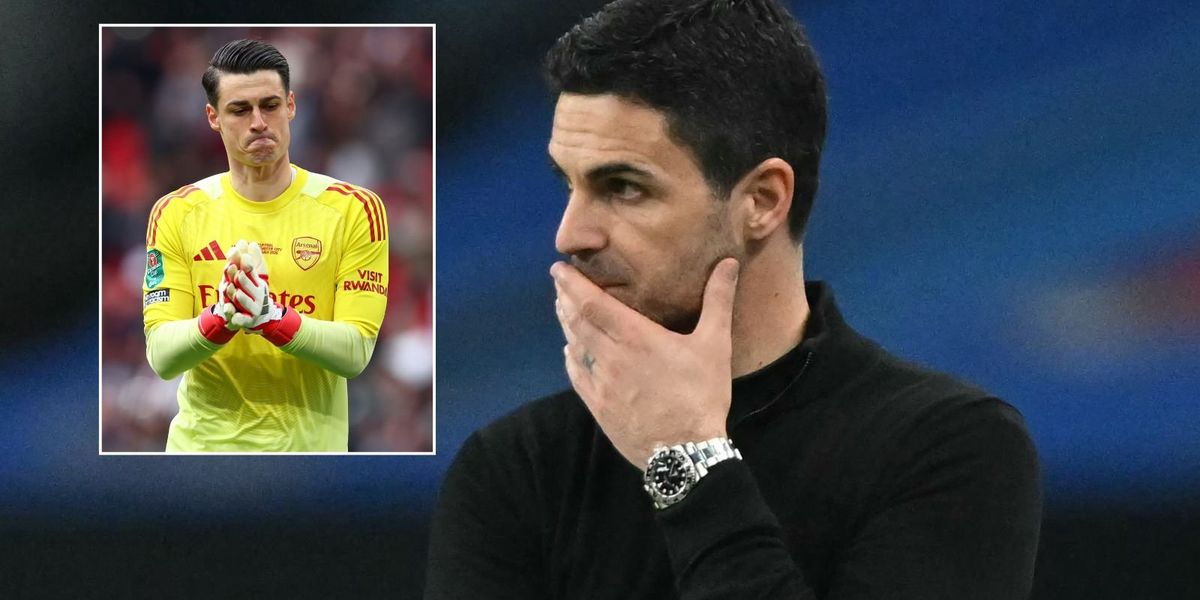
Mikel Arteta backs Kepa Arrizabalaga after Carabao Cup final defeat
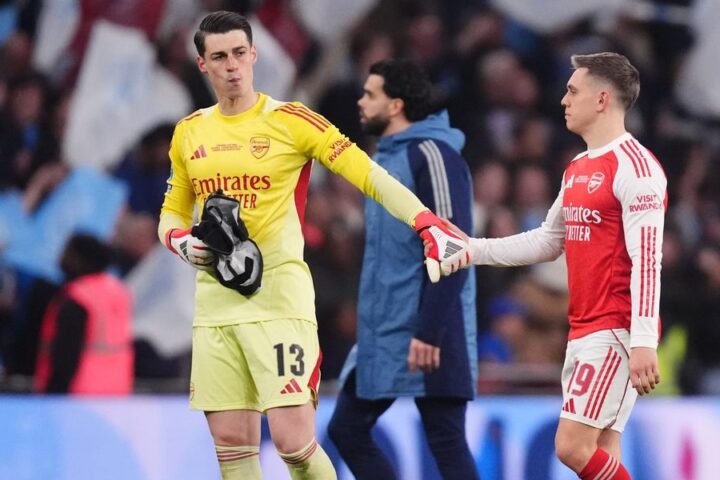
Mikel Arteta stood by his decision to select Kepa Arrizabalaga between the posts for Sunday’s Carabao Cup final, maintaining he would make the identical choice again despite Arsenal’s defeat to Manchester City at Wembley, reports BritPanorama.
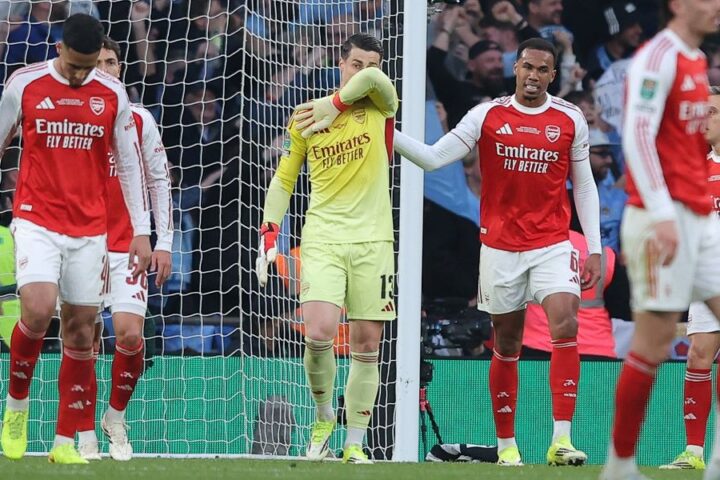
The Spanish goalkeeper, who had featured in every round of the competition this season, endured a difficult afternoon as the Gunners fell short in their bid to end their trophy drought. Kepa’s performance was marred by a series of costly mistakes that proved decisive in the outcome.
His first error came when he charged off his line, becoming entangled with City winger Jeremy Doku. This was followed by a failure to hold a cross, spilling the ball into the path of Nico O’Reilly, who converted to put the visitors ahead. City’s quick-fire double left Arteta’s side with too much ground to recover, extending the club’s wait for silverware.
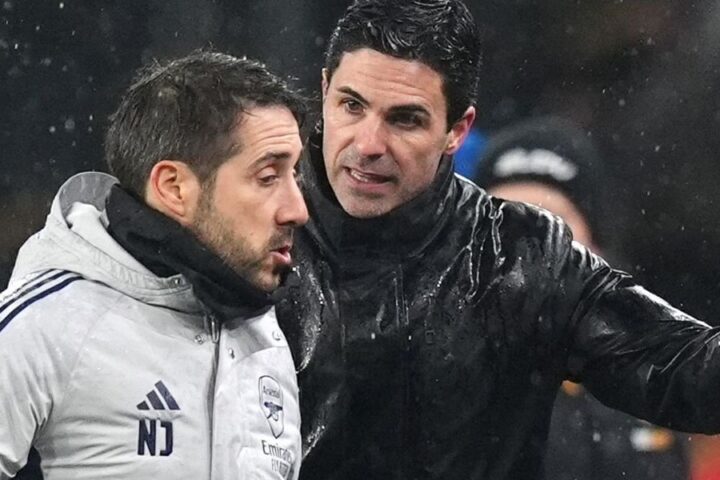
Speaking after the match, Arteta told BBC 5 Live: “I made a decision before the game based on what he has done all season, the fact he has played in the competition and helped us be where we are today.” The Arsenal boss added, “It would have been very unfair to choose a different one.”
Arteta elaborated on his reasoning, emphasising the principles guiding his selection policy. “I have to do what I feel is right, which is honest and which is fair, and I think we have an understanding with Kepa,” he explained. “Errors are part of football, and today it happened, unfortunately, in a crucial moment.”
The manager described the loss as “a really sad day” that left him and his squad devastated. He acknowledged that goalkeepers must earn their place like any outfield player and noted, “We are guided by what we’ve seen and what he’s done, what he’s done in the competition, and he helped us to go all the way through here.”
While Kepa drew criticism for delaying goal kicks beyond 30 seconds while the score remained level, Arteta declined to address whether this was a tactical instruction, stating: “It’s not the moment to talk about that.”
This match highlights the thin margins that often define major finals, with one player’s mistakes cruelly magnified under the pressure of expectation. In the end, the hopes of a club and a fanbase rest precariously on individual shoulders, illustrating how the footballing narrative can twist in the blink of an eye.