Grand Prix events called off
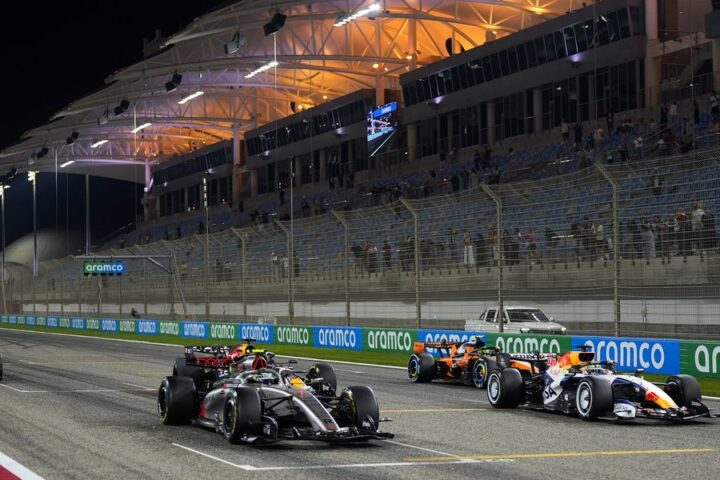
Formula 1 has cancelled its Grands Prix in Bahrain and Saudi Arabia following escalating tensions across the Middle East, marking a significant disruption to the championship’s early season calendar. The decision also affects supporting races including Formula 2, Formula 3, and the Formula 1 Academy programme, with all events scrapped from their scheduled dates. Organisers announced the move on social media platform X, citing the “prevailing situation in the region” as the reason for the cancellations. The Bahrain Grand Prix was set to be the fourth race of the 2024 season, with the Saudi Arabian Grand Prix following as the fifth round.
Significant calendar disruption
The removal of two Middle Eastern races creates a substantial gap in the Formula 1 championship schedule during what is typically a busy period of the season. Both events have become established fixtures on the calendar, with Bahrain having hosted the opening race in recent years and Saudi Arabia’s night race in Jeddah gaining prominence. The cancellations will force teams to reconsider their logistical planning and development schedules for the early part of the championship. No immediate announcement has been made regarding potential replacement venues or rescheduled dates for the affected rounds.
Broader sports event cancellations
This marks another high-profile international sporting event disrupted by conflict in the Middle East, following a pattern of cancellations and relocations across various sports. The Fanatics Flag Football Classic, a showcase event featuring NFL legend Tom Brady, was recently moved from Saudi Arabia to Los Angeles due to security concerns. These developments highlight the growing impact of regional instability on major international sports competitions and their global scheduling. Sporting bodies are increasingly forced to make last-minute contingency plans as geopolitical tensions affect previously secure hosting arrangements.
Regional instability affects global sport
The Formula 1 cancellations represent one of the most visible consequences of Middle Eastern conflict on the world sports calendar this year. Championship organisers now face the challenge of maintaining a coherent season structure while navigating complex security assessments across multiple regions. The decisions reflect a cautious approach by international sports federations when operating in areas experiencing heightened political and military tensions. Further schedule adjustments may follow if the regional situation continues to affect other planned events across the sporting world.