Michael van Gerwen critiques modern darts culture
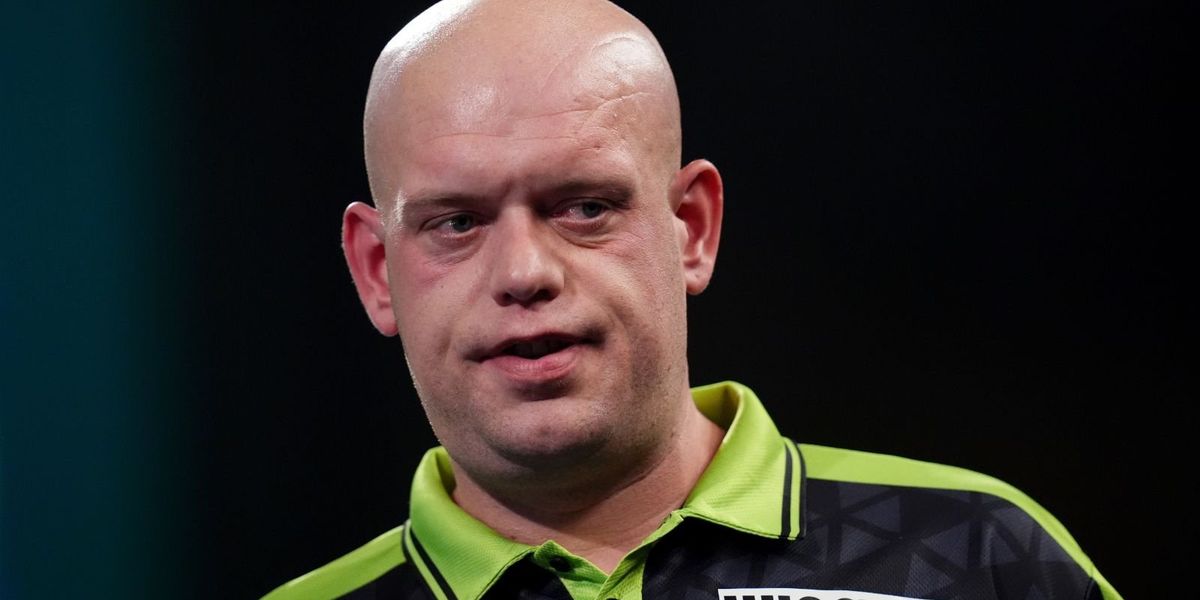
Michael van Gerwen has launched a stinging critique of modern darts culture, accusing some players of hiding technical shortcomings behind theatrical walk-ons and exaggerated crowd engagement rather than letting their performances on the oche speak for themselves, reports BritPanorama.
The three-time world champion, often regarded as one of the sport’s most uncompromising competitors, expressed little patience for what he views as gimmickry infiltrating professional darts. Speaking to talkSPORT, van Gerwen suggested that entrances and music choices have assumed inflated importance for certain players, often at the expense of substance.
“Some dart players now think their walk-on music makes them a better dart player,” said the Dutchman. He elaborated that the reliance on flares and showmanship comes from a perceived decline in abilities. “Some people have started to believe too much in themselves now. They all milk it because their ability is a little bit less, so they have to try and get the crowd on their side somehow.”
His remarks highlight a broader tension within darts as it balances its working-class roots with its evolution into a global entertainment spectacle. While elaborate entrances have become staples of major tournaments, particularly at Alexandra Palace, van Gerwen contends that flair should never overshadow precision in gameplay.
Pressed for specific examples, he did not hold back when referencing Dimitri Van den Bergh’s former walk-on routine, famously performed to Pharrell Williams’ “Happy.” “It was horrific. The worst one ever,” he said. “That’s why he’s at home now and I’m here.”
At 36 and still competing at the highest level, van Gerwen remains fiercely protective of the standards he believes should govern elite darts, especially as the sport draws a wider audience. He is set to face Willie O’Connor on December 23.
In addressing the ongoing debate surrounding darts’ greatest player, he noted the challenges of comparing players across eras, drawing parallels to football. “It’s difficult to compare, I think,” he stated, referencing legends like Maradona and Pelé. “You know what I mean? It’s different eras. We can’t compare them with each other, so it’s tough.”
While he resists being labelled as “the greatest of all time,” his confidence in his standing is clear: “I’m the best. I’m not going to say I’m the greatest, but I know I’m the best one.” When asked about being the best player of the past two decades, his response was emphatic: “One hundred percent.” This unwavering self-belief inevitably invites comparisons with Phil Taylor, whose record 16 world titles continue to overshadow the sport. Yet, van Gerwen simply responded, “I made him retire,” summarising his competitive spirit succinctly.
In a sport where every shade of performance is scrutinised, his comments offer a candid reminder that while the theatre of darts can captivate, it’s the art of the game that should ultimately prevail. As van Gerwen demonstrates, the canvas may change, but the essence of competition remains steadfast.