Max Verstappen criticizes F1’s hybrid power regulations ahead of Australian Grand Prix
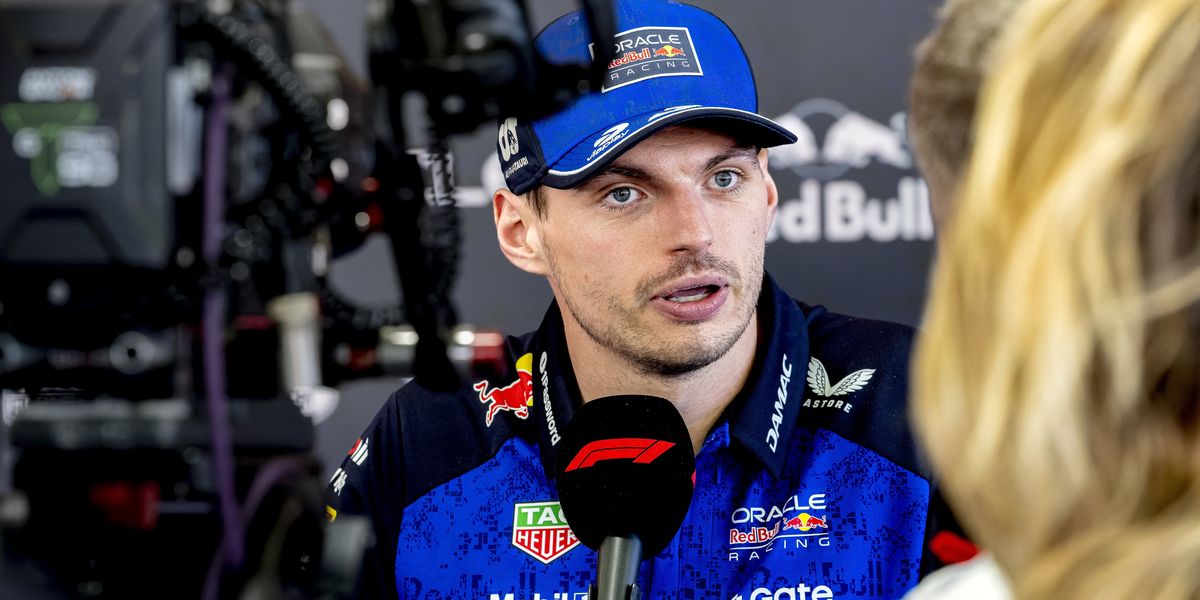
Max Verstappen has warned that Formula 1’s new hybrid power regulations are fundamentally flawed, describing them as “anti-racing” and comparing the experience to “Formula E on steroids,” reports BritPanorama.
The four-time world champion expressed concerns that meaningful fixes would not be feasible ahead of Sunday’s season-opening Australian Grand Prix at Albert Park. Verstappen highlighted the significant investments made in these regulations and pointed out that they will likely remain in place for an extended period.
“Yeah, we’re a bit late with that, right?” Verstappen said. “The amount of money that has been invested as well into these regulations, they will be around for a while.” He noted that the issues with the rules were identifiable when they were first launched in 2022, arguing that the challenges now being raised should have been anticipated.
Under the new regulations, cars are required to draw half their power from sustainable fuels and half from electric systems, creating a complex balancing act for drivers. At certain circuits, including Melbourne, limited heavy braking zones prevent drivers from charging their batteries adequately through conventional means. Instead, they must harvest energy during high-speed corners or at the end of straights, forcing them to sacrifice pace in sections where they would usually maintain full throttle.
This strategy allows drivers to accumulate enough charge for electrical deployment on straights, thereby reducing overall lap times. Albert Park joins other venues such as Jeddah, the Red Bull Ring, and Monza as tracks identified as particularly problematic for energy management under the revised rulebook.
Lewis Hamilton remarked on the stark variations between circuits, suggesting that the race may not accurately represent the competitive landscape of the season. “Some tracks you don’t have to do lift and coast for a single lap, and in some places you have to do a lot of lift and coast for a qualifying lap,” the seven-time champion explained, noting that minor decisions at specific corners can significantly impact performance throughout an entire lap.
Ferrari’s Carlos Sainz advocated for a cautious approach to any potential rule modifications, urging a measured evaluation after the opening rounds of the championship. “Let’s see, whatever rules we’ve come up with for this year, let’s put them on track and then evaluate,” he stated. Sainz also emphasized the importance of maintaining flexibility in discussions with F1 chief Stefano Domenicali and the FIA regarding the regulations.
As the season kicks off, the complexities of the new regulations will be tested under the spotlight of the Australian Grand Prix. The upcoming races will provide a clearer picture of how effectively these changes will affect both driver strategies and the overall competitiveness of the championship. Such is the nature of F1, where innovation and tradition frequently collide, leaving teams and fans alike navigating an ever-evolving landscape.