Manchester United Muslim supporters club rebukes Jim Ratcliffe over immigration comments
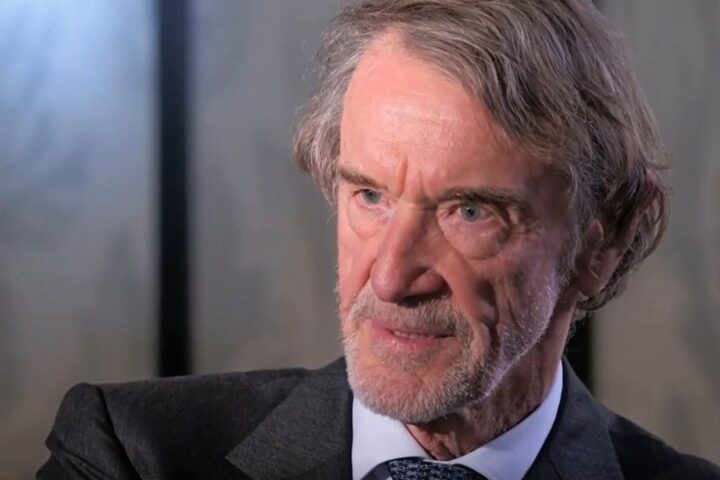
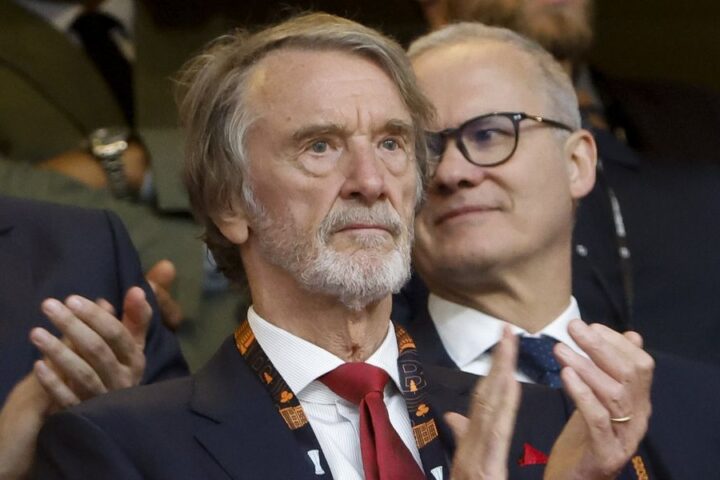
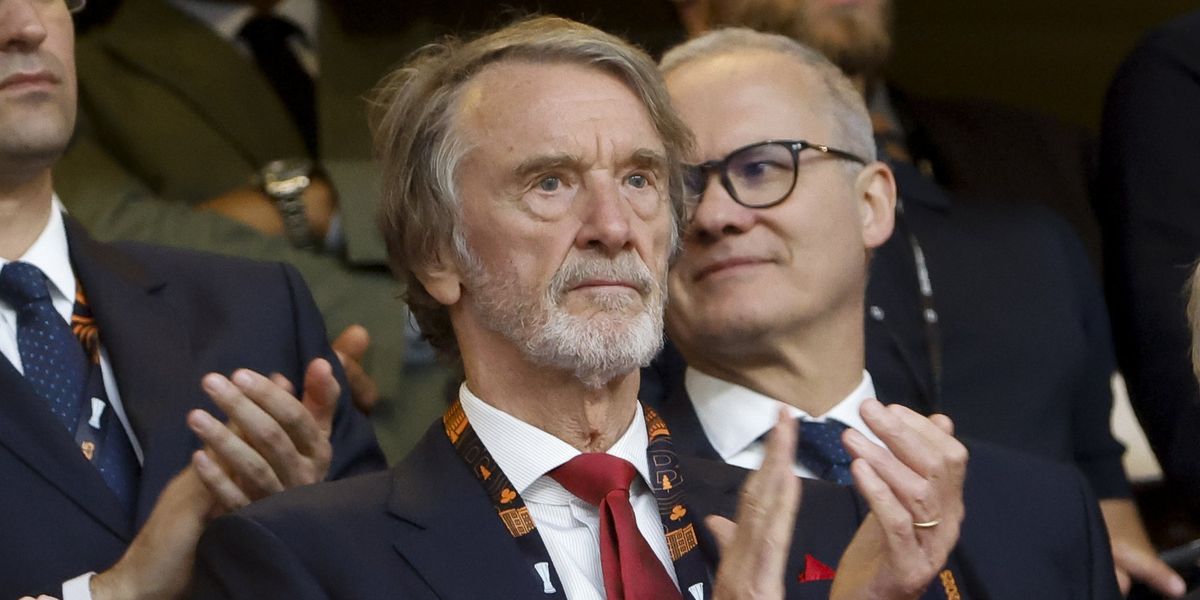
The Manchester United Muslim Supporters Club has issued a strongly worded rebuke of Sir Jim Ratcliffe following the billionaire co-owner’s controversial remarks about immigration, reports BritPanorama.
In a statement released this evening, the officially recognised fan group described his comments as “deeply concerning” and criticised his characterisation of Britain as having been “colonised” by immigrants.
The supporters’ organisation expressed alarm at not only the specific terminology employed but also at what they deemed “positive references to political figures whose rhetoric on immigration and minority communities has long been divisive.”
Ratcliffe made these remarks during an interview at the European Industry Summit in Antwerp, where he addressed the economic challenges facing the UK. “You can’t have an economy with nine million people on benefits and huge levels of immigrants coming in,” he stated, amplifying his position with further comments on the subject. “I mean, the UK has been colonised. It’s costing too much money. The UK has been colonised by immigrants, really, hasn’t it?”
His comments swiftly drew criticism, with the supporters’ group taking particular issue with his choice of vocabulary and its broader implications. They argued that the word “colonised” carries significant weight and cannot be considered neutral terminology, asserting that such phrasing “echoes language frequently used in far-right narratives that frame migrants as invaders and demographic threats.”
The group warned that this type of discourse carries tangible consequences beyond mere rhetoric. “Public discourse shapes public behaviour,” they stated. “When influential figures adopt language that mirrors extremist talking points, it risks legitimising prejudice and deepening division.” They pointed to rising hate crime figures across Britain in recent years, citing increases in Islamophobia, anti-Semitism, racially motivated attacks, and hostility directed at migrants and ethnic minorities.
The supporters’ club emphasised that Manchester United stands as a global institution founded upon diversity, comprising players, staff, and fans from every conceivable background, faith, and ethnicity. They maintained that this variety represents the club’s and indeed the nation’s greatest asset.
While acknowledging that immigration policy remains a legitimate topic for debate, the group insisted that such discussions must be conducted responsibly. “Language that alienates communities or reinforces narratives linked to intolerance has no place in public discourse,” they argued.
“We stand with all communities who reject racism, anti-Semitism, Islamophobia and hatred in all its forms,” the statement concluded, “and we call for leadership that unites rather than divides.”
In the landscape of British football, the intersection of sport and societal issues often amplifies voices that demand accountability and sensitivity. Ratcliffe’s comments not only stir conversations around immigration but also remind us of the responsibility public figures have in shaping narratives within their communities.