Manchester United confirms fully privately financed stadium redevelopment
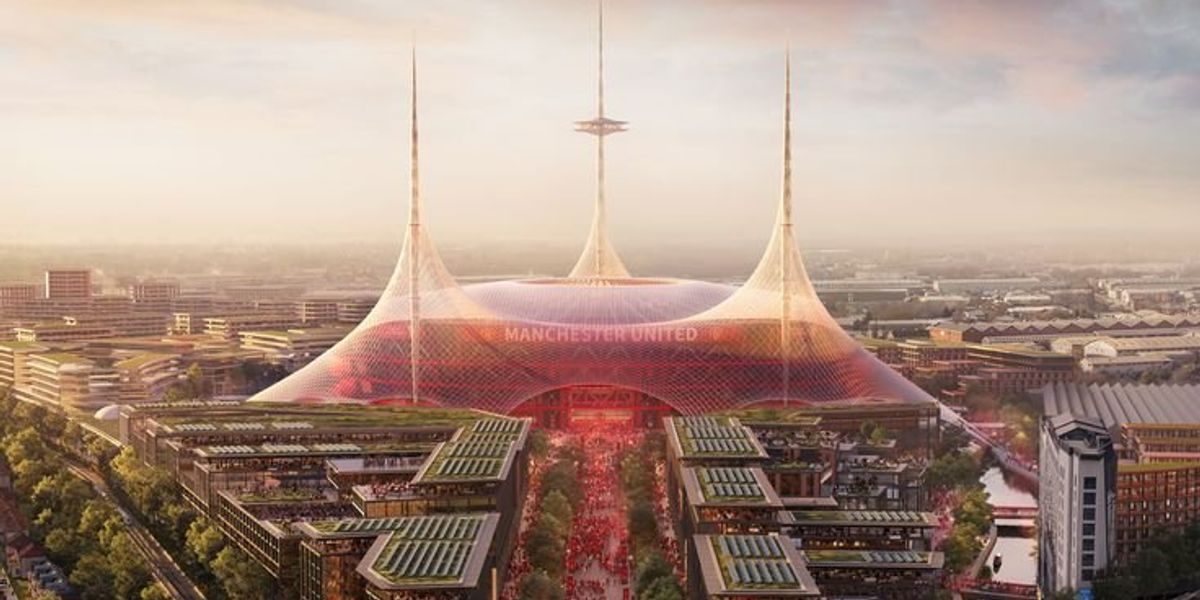
Manchester United have confirmed their proposed 100,000-seat Old Trafford redevelopment will be entirely privately financed, putting to rest speculation about potential taxpayer involvement in the £2 billion project, reports BritPanorama.
The announcement was made during a recent fans’ forum, where a club spokesperson stated: “Our proposed new stadium will be financed privately, and we continue to have positive conversations with potential investors and all stakeholders.”
This commitment to private financing raises significant questions regarding the club’s future debt burden, especially given that financial results published in February revealed borrowings had climbed to nearly £1.3 billion. With the new stadium estimated to cost around £2 billion, the total debt could theoretically rise to approximately £3.3 billion.
Co-owner Sir Jim Ratcliffe had previously floated the idea of public funding, noting that “people in the north pay their taxes,” and argued for a more ambitious project suitable for major events like the Champions League final. However, Manchester mayor Andy Burnham has already ruled out public money for the stadium itself.
When asked about potential hurdles due to strained relations with local and national government, United emphasised that their governmental relationships have been cultivated over many years and remain robust. The club described the Old Trafford Regeneration project as enjoying widespread stakeholder backing, calling it “a once-in-a-lifetime opportunity to build not only the world’s best football stadium but also a transformational programme supporting national economic growth at scale.”
The broader development promises substantial community benefits, including 15,000 new homes with affordable housing, the creation of 48,000 local jobs, and a contribution of £7 billion annually to the British economy. The appointment of Collette Roche as chief executive officer for new stadium development marks a significant step forward in the project’s progression.
A club spokesperson described Roche’s appointment as a crucial milestone, saying it provides “a much sharper focus” on delivering what they hope will become the world’s premier football stadium, signalling a transition from planning to execution. However, a major obstacle remains: securing the rail depot site adjacent to Old Trafford, currently owned by Freightliner, with negotiations having stalled.
As Manchester United navigates these developments, one can only ponder how the landscape of football and finance may shift under the weight of such ambitious plans, with a club rich in heritage now striving to break records in both sporting and economic realms.