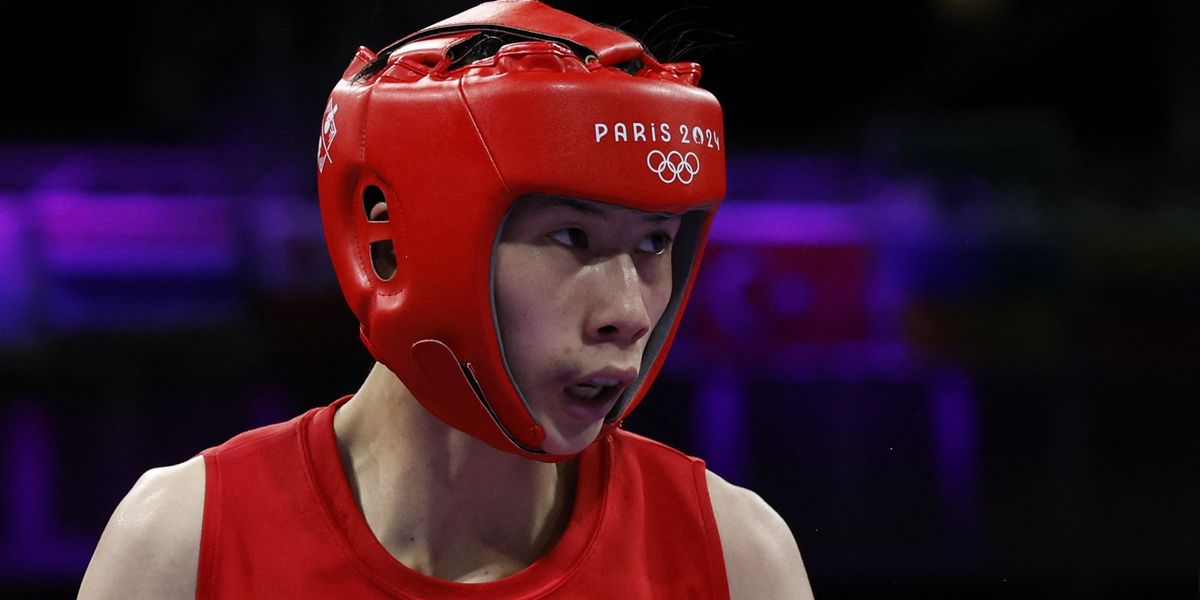
Lin Yu-ting cleared to return to boxing competition
Olympic featherweight champion Lin Yu-ting has been granted clearance to return to international competition after World Boxing confirmed she had successfully navigated the governing body’s mandatory sex testing requirements, reports BritPanorama.
The 30-year-old Chinese Taipei boxer, who claimed gold at the 2024 Paris Games, will now be permitted to participate in women’s category events sanctioned by the organisation. World Boxing announced the decision on Friday following an appeal process initiated on Lin’s behalf.
Lin, a two-time world champion, is registered to compete in the forthcoming Asian Boxing Championships, scheduled to take place in Mongolia from 29 March to 10 April. Her return comes after a period of absence from several international tournaments due to World Boxing’s implementation of its testing regime last summer.
The Chinese Taipei Boxing Association mounted an appeal, providing the governing body with comprehensive medical documentation. World Boxing’s Medical Committee undertook a thorough evaluation of the submitted evidence before determining Lin’s eligibility. The panel concluded that Lin qualified as female and therefore was entitled to compete in the women’s division.
The CTBA stated that independent medical experts had “confirmed that she has been female since birth, meeting the requirements, with no competitive advantage, and ensuring her rightful place in the women’s category.” Tom Dielen, World Boxing’s secretary general, acknowledged the strain the process has placed on all parties involved, underlining the rigorous nature of the eligibility policy.
This determination marks a significant development for Lin, particularly as her triumph in Paris was overshadowed by an eligibility dispute that also involved Algeria’s welterweight gold medallist Imane Khelif. Both fighters had previously been barred from the 2023 World Championships due to claims they did not satisfy the criteria for women’s competition.
The International Boxing Association was subsequently stripped of its Olympic recognition by the International Olympic Committee over governance and integrity concerns, with the IOC assuming control of boxing at the Paris tournament. Following the Games, World Boxing took on governance at the Olympic level and introduced new eligibility requirements in August 2025, mandating genetic testing for competitors over 18 to establish biological sex at birth.
This latest development not only represents a personal victory for Lin but also underscores the complexities surrounding gender eligibility in sports. As boxing navigates these sensitive issues, the implications for athletes and governing bodies alike remain critical in ensuring fairness and integrity in competition.
In the precarious balance of sport and identity, Lin Yu-ting’s story serves as a potent reminder of the ongoing dialogue regarding inclusivity and competitive equity — a conversation that is sure to continue evolving in the ring and beyond.